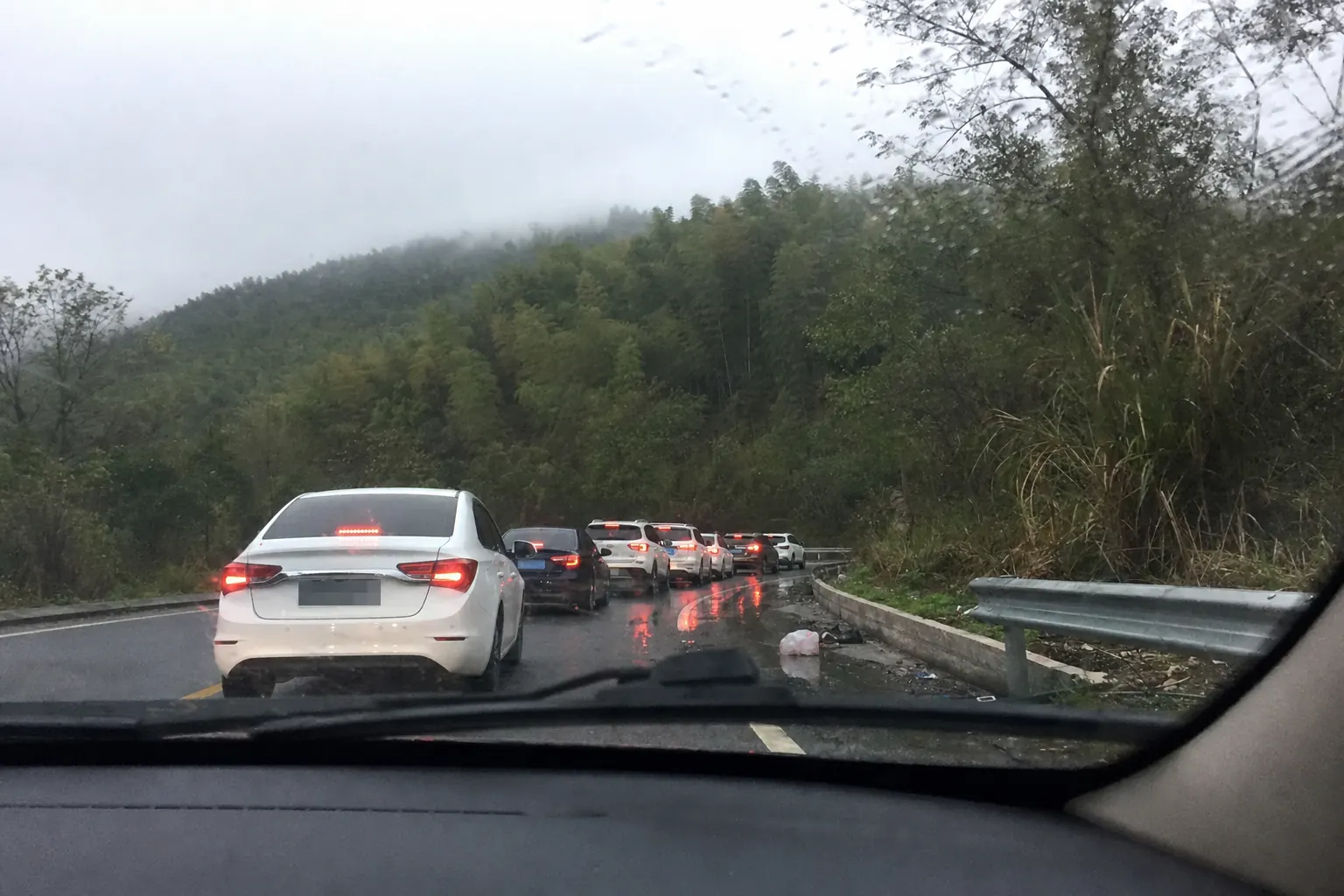
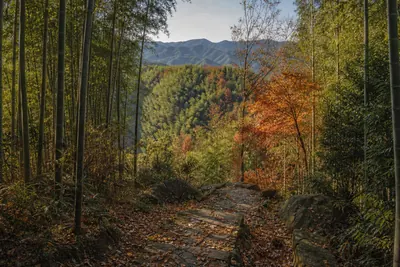
We tell international visitors to come in autumn, or fall if that is your word for it. The crowds here run on the Chinese school calendar. You probably do not, and in autumn that matters more than in any other season.
The mountain in question is Moganshan, in Deqing County, one of the counties of Huzhou prefecture, in Zhejiang Province, China. Hangzhou sits about 60 km to the south. Shanghai is 200 to 240 km out. The main peak, Tashan, reaches 719 to 720 meters. Search results also carry Moganshan Road, a Shanghai art district 200 km away.
The short answer
Late September and November. Keep the first week of October clear.
That week is China’s National Day holiday, one of the two Golden Weeks, and the worst week of the year to stand at a Moganshan transfer center.
Easy advice to give, hard to take. If National Day is your only week, come anyway and book the bed first.
What is measured, and what is not
| Figure | Value |
|---|---|
| Annual mean temperature | 13.3 °C |
| July and August mean | 24.1 °C |
| January mean | 1.4 °C |
| September, October and November mean | No published figure |
Temperature means, BeyondBorder Group Ltd primary research, 1 to 5 August 2026.
No autumn mean is published for this mountain, so read the shape of the year instead. It stands at 719 to 720 meters and runs 6 to 7 °C under Shanghai and Hangzhou in summer. A year that averages 13.3 °C, peaks at 24.1 and bottoms out at 1.4 has to spend September and November somewhere mild. Moganshan weather has the figures.
Moganshan in September, October and November, week by week
Autumn does not arrive on 1 September and leave on 30 November, so here it is in the pieces you book. Everything right of the dates is our reading, not published data.
| Weeks | How it feels | Crowds | Mid-range room |
|---|---|---|---|
| September 1 to 15 | Summer, edge coming off. Humid | Falling from the July peak | Above off-season |
| September 16 to 30 | Comfortable walking, first since spring | Low midweek, heavy Saturday | Easing to RMB 300 to 500 |
| October 1 to 7 | Same as the weeks either side. Only the crowd differs | Extreme. National Day | Peak, if anything is left |
| October 8 to 20 | Mild, haze thinning | Medium, weekend-loaded | Near peak |
| October 21 to 31 | The best trade on the calendar | Medium midweek | Coming down |
| November 1 to 15 | Cool and clear. Jacket weather | Low | Near RMB 300 to 500 |
| November 16 to 30 | Cold mornings, short afternoons | Very low | RMB 300 to 500 |
Nobody publishes a gate count, so the crowd column comes from holiday and weekday patterns. The room column spreads the published bands across the weeks as we expect demand to run. Both current on 5 August 2026.
The one week of October to skip
One row in that table is worse than it looks.
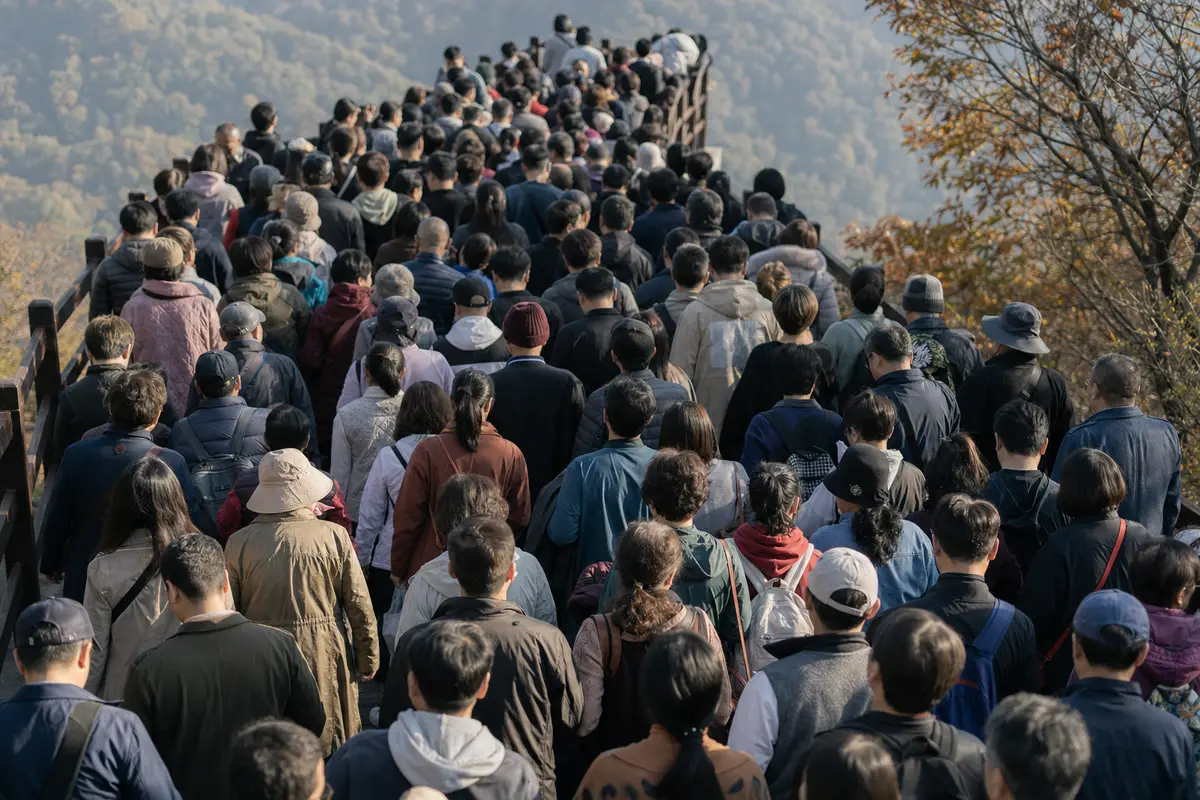
Over the National Day holiday in 2025, daily footfall in the village of Yucun ran 30 to 40 percent above normal.
National Day 2025 footfall in Yucun, BeyondBorder Group Ltd primary research, 1 to 5 August 2026.
More visitors pass through Yucun than any other gateway, so that count matters. You cannot take your own vehicle inside the scenic area, so everybody going up changes at a transfer center. There are three, at Yucun, Fatou and Houwu, and their capacity is fixed. A third more people arrive at the same doors.
Rooms follow. Occupancy averaged about 55 percent across the area in 2024, against 94 percent at the high end over the May 2024 holiday.
Golden Week dates move each year, so check yours.
The weekday split matters more now than in July
The month is the smaller of your two date choices. A Tuesday in July is still a full mountain, so the weekday saves a queue and not much more. In late October the same choice hands you a different place. That gap is an inference on our part. The pattern under it is measured: the split is severe, and weekends and holidays carry the volume. Monday is the quiet day.
Distance explains it. Moganshan is 2 to 3 hours from Shanghai by road and about 1.5 hours from Hangzhou, so it is a weekend market all year. In July that load lands on a week already full. In late October it lands on nothing. Monday to Thursday buys empty paths and rooms at the lower band. Friday to Sunday buys a shoulder-season week at peak rates.
The best time to visit makes that case across the year.
Walking, and the view
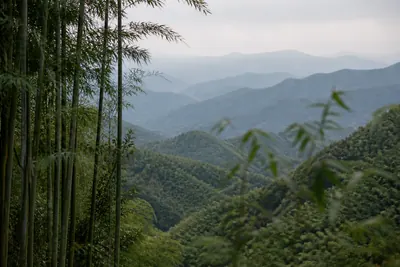
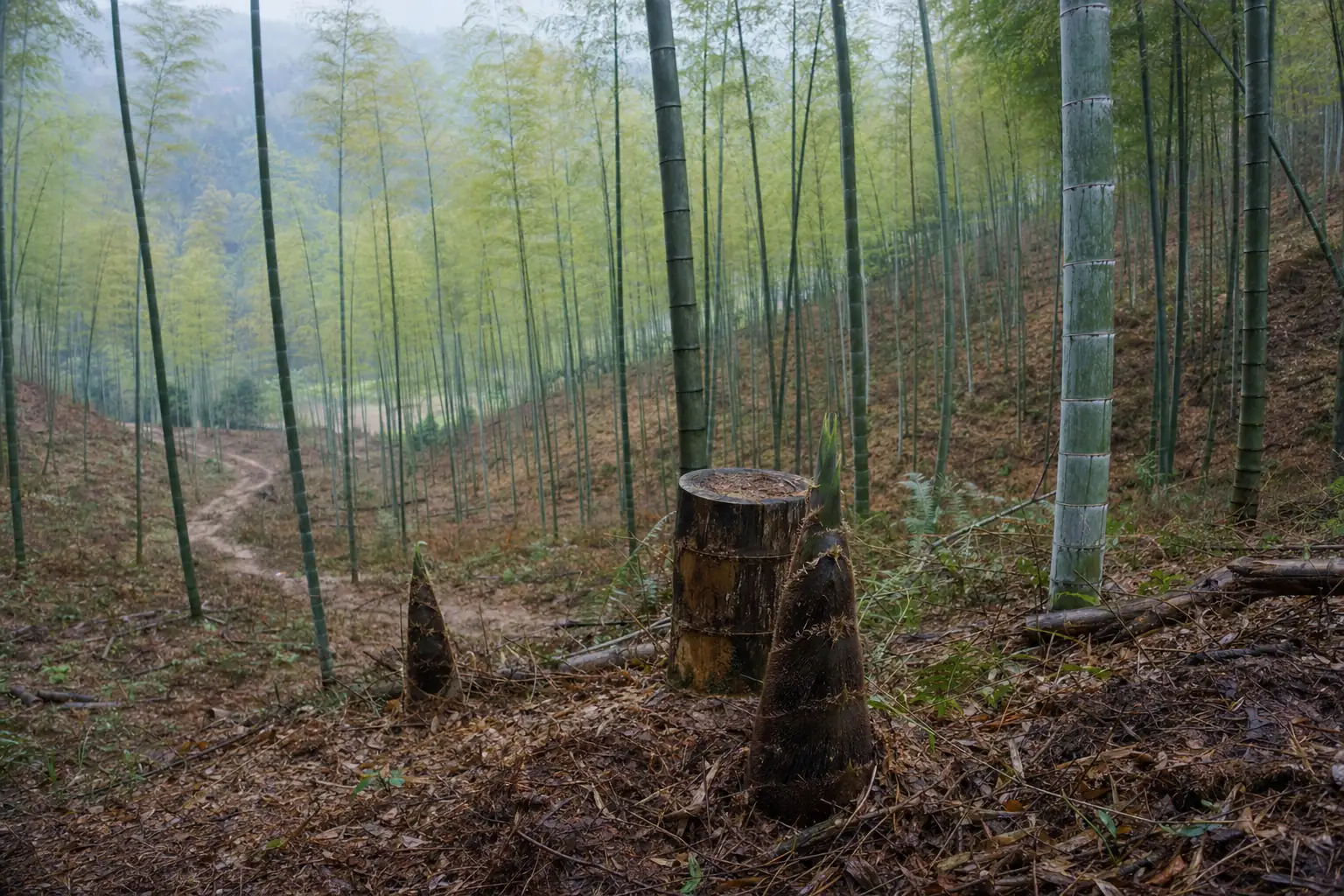
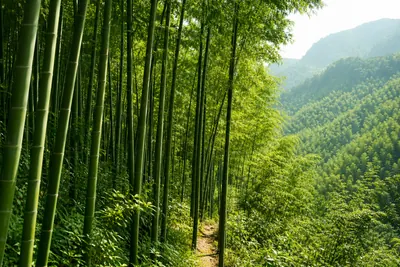
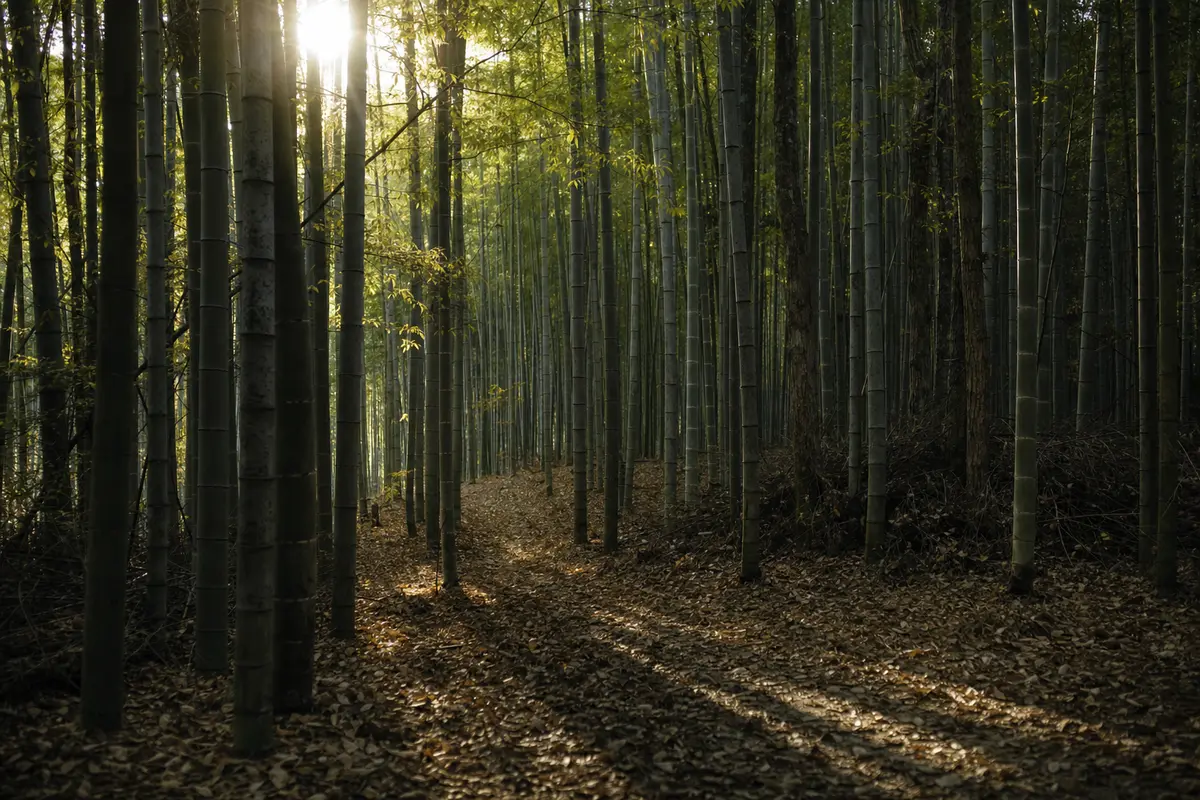
Start with what autumn here is not. If you came looking for Moganshan fall colors, this is a bamboo mountain. More than 92 percent of it is forest, almost all of that moso bamboo, a crop rather than the hardwood that turns red in October. Bamboo does not turn, and no foliage display is what this season is for.
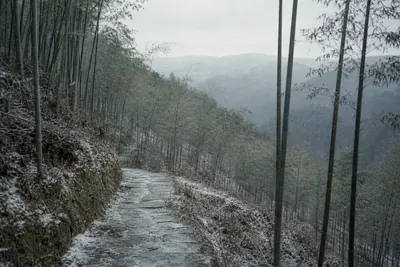
What you get instead is walking. The paths are stone and packed earth, hard work on an August afternoon and easy on a November one. Bring tread, because both turn slick in mist. Walking and hiking in Moganshan covers the terrain.
The second thing is the view. Clear late autumn is promoted locally as a shoulder season, and visibility is why operators bother. Photographs of the Xuguang sunrise platform undersell how often summer cloud is sitting on it.
What it costs
Winter is the cheap season here, not autumn. Off-season, a mid-range room sits between RMB 300 and RMB 500. At peak the same room passes RMB 1,000. October holds near peak until mid-month, and late November sits at the bottom of the band. Between a mid-October weekend and a mid-November Tuesday that is roughly double to triple the rate for the same room. High-end starts near RMB 1,500. Where to stay has the rest.
Occupancy and room rate bands, BeyondBorder Group Ltd primary research, 1 to 5 August 2026.
Scenic-area tickets cost extra, and published prices disagree.
| Source | Autumn price |
|---|---|
| Higher published set | RMB 120 booked online, RMB 130 at the gate |
| Lower published set | RMB 80 in peak weeks, RMB 50 off-season |
Plan on the dearer one. Winter tickets are half price, but sources differ on which months qualify, so do not count on that in November.
Daylight is the November catch
November is the best walking month here, and it hands you the fewest hours to use it. The light goes before the 18:00 transfer cutoff does, and an afternoon that would have held a walk and a long lunch holds one of them.
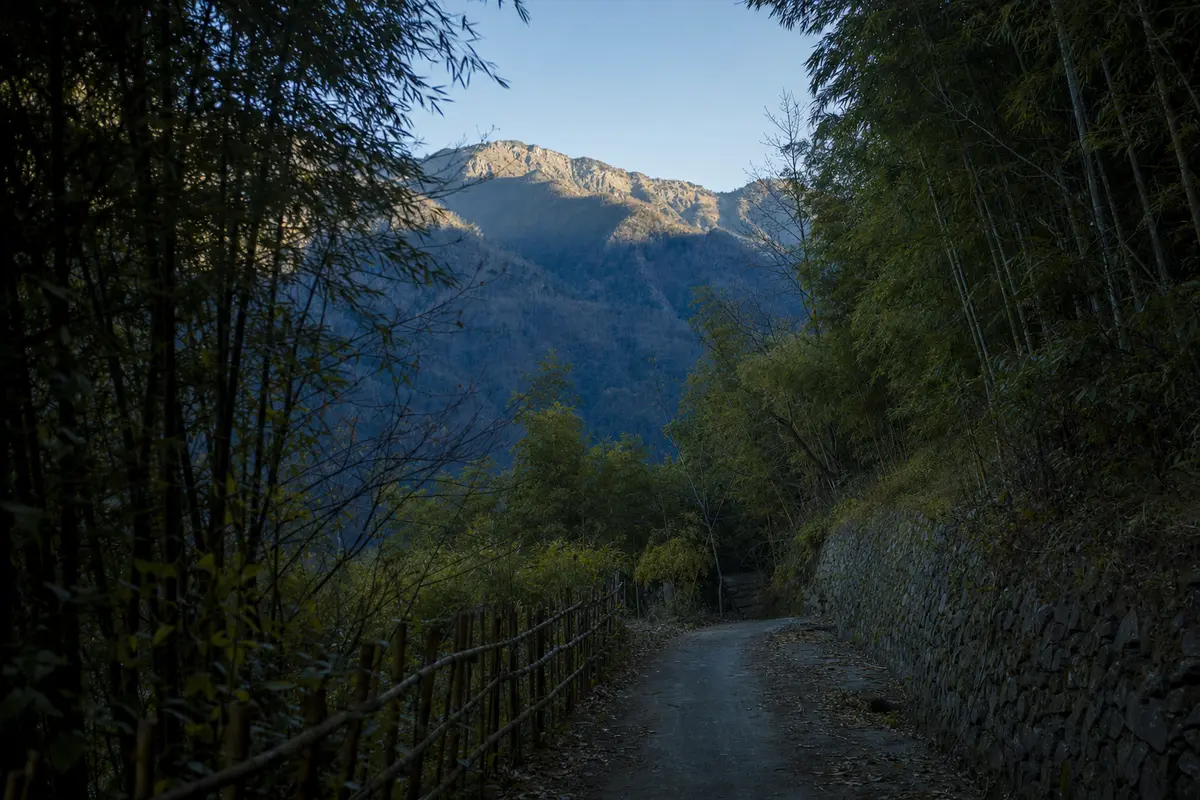
Arrival hits the same clock.
| Late in the day | Where it bites |
|---|---|
| Transfer centers | Open 08:00 to 18:00 |
| Last Y1 shuttle from Deqing station | 16:00. RMB 10, 30 to 40 minutes, seven a day |
| After that | A taxi, about RMB 100 |
Getting here has the timetable.
The villages shut down after dinner in every season. No night market, little food late. November only makes you notice it earlier.
Where we come down
We would send a first-time international visitor here in autumn, and not for a temperature we cannot quote. The walking is comfortable and the domestic calendar has moved on.
Pressed for one date, we would say the last week of October, arriving Monday. The seasons guide sets autumn against the other three.
Temperature, occupancy, footfall and room rate figures last checked 5 August 2026. Ticket prices vary by source and by season, so confirm at booking.
Last checked 9 August 2026 by Liyan Ye. Prices, timetables and entry rules on this mountain move without notice, so confirm anything you are booking around.
Photographs on this site are representative illustrations, not documentary images of the specific building, property or service described.