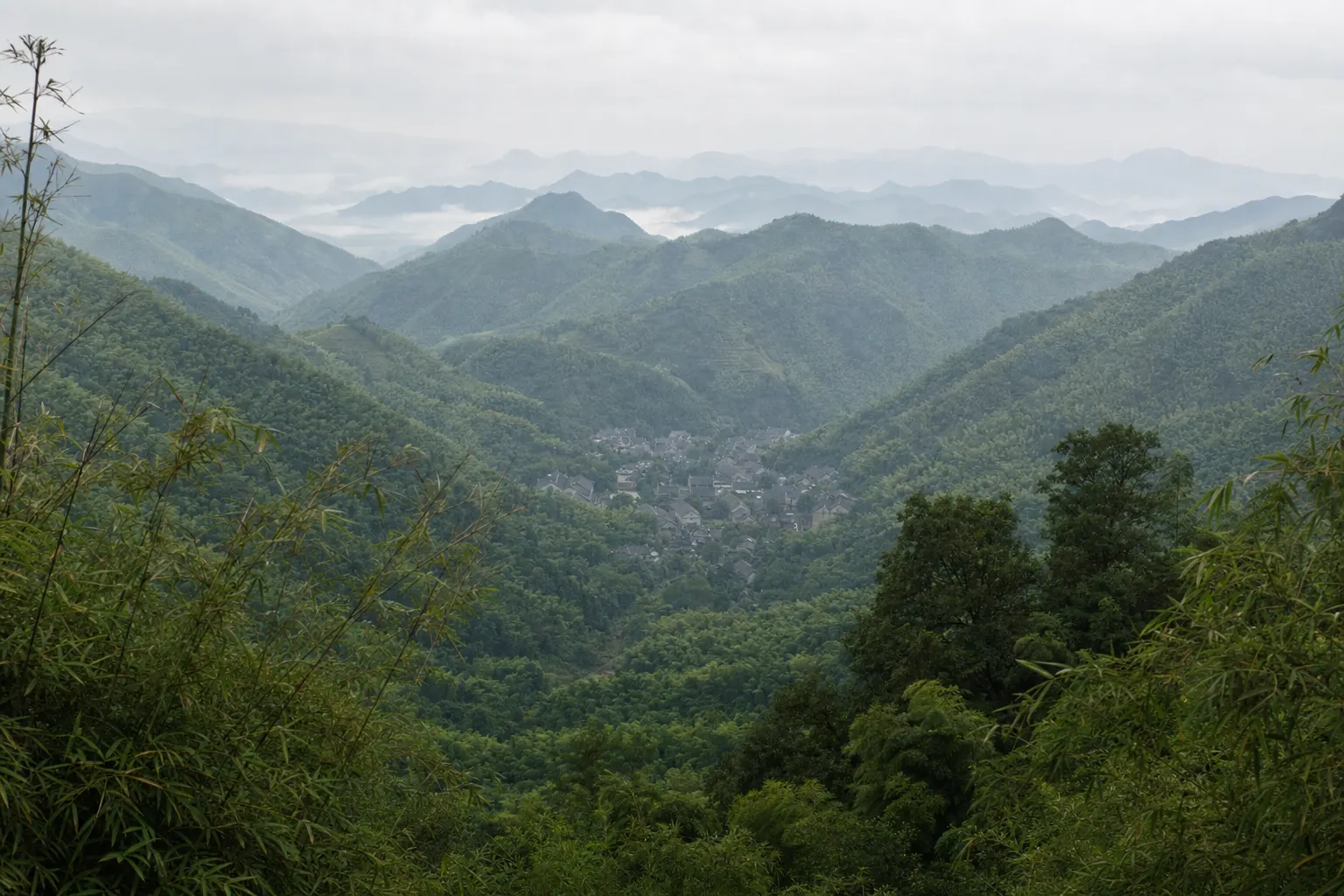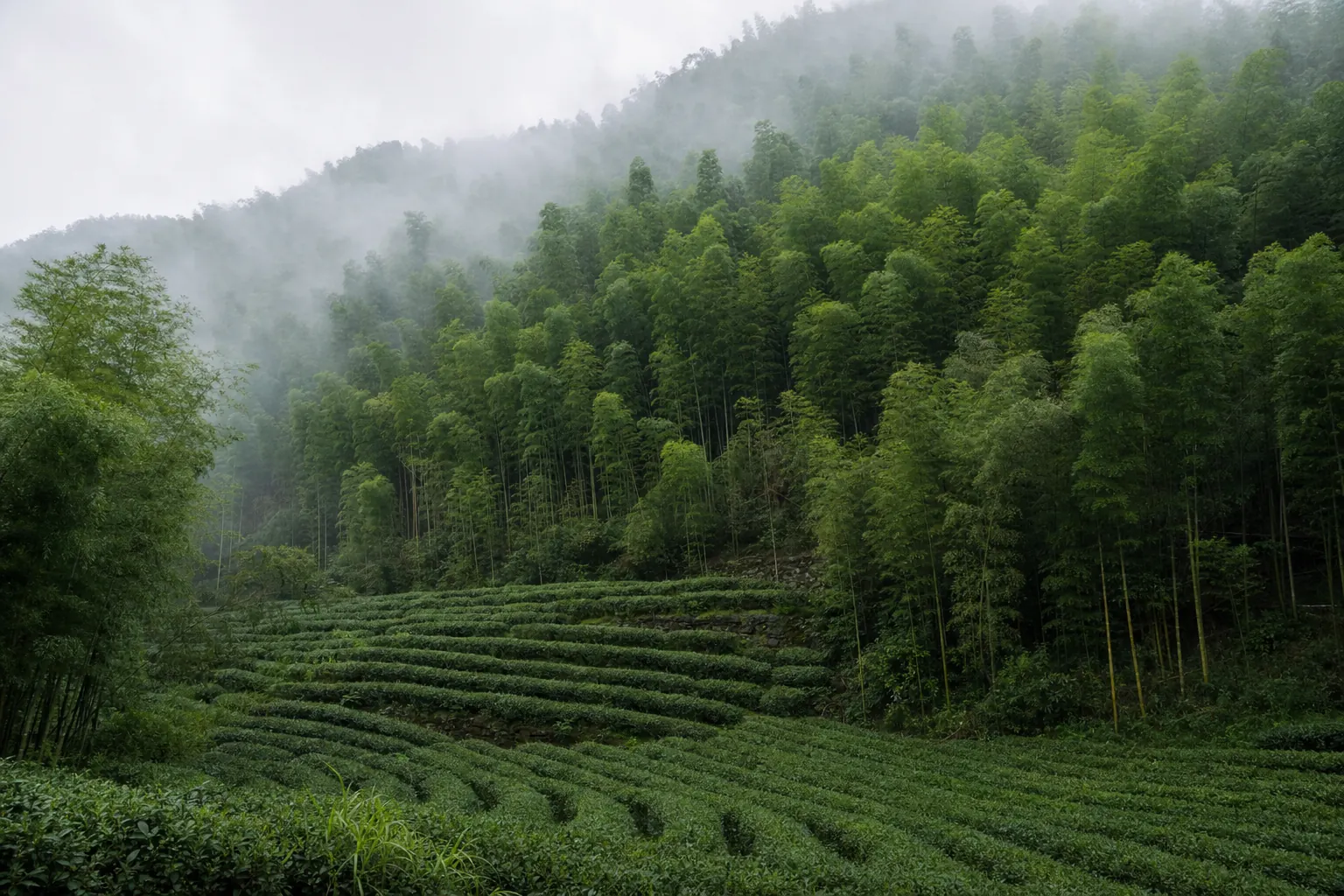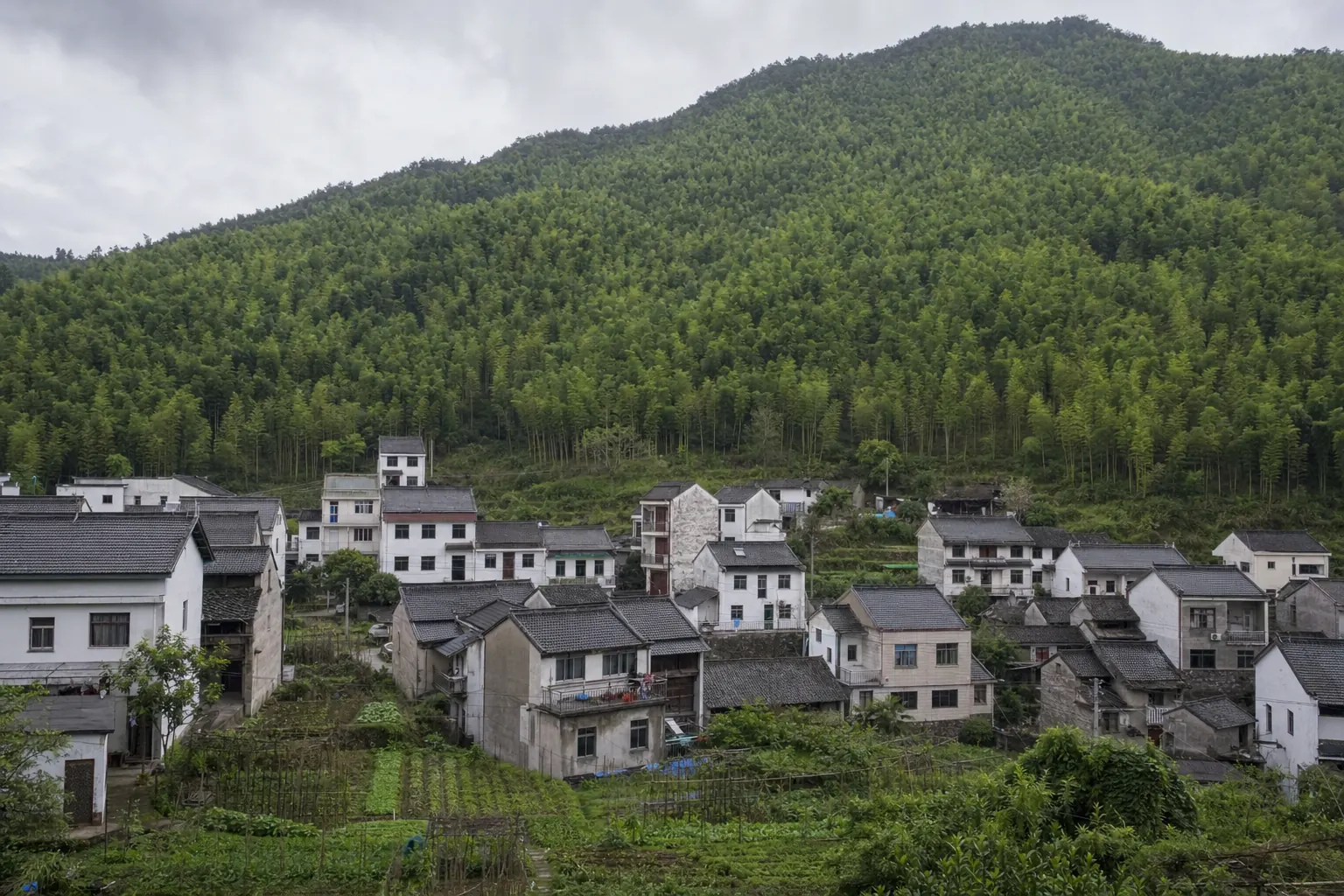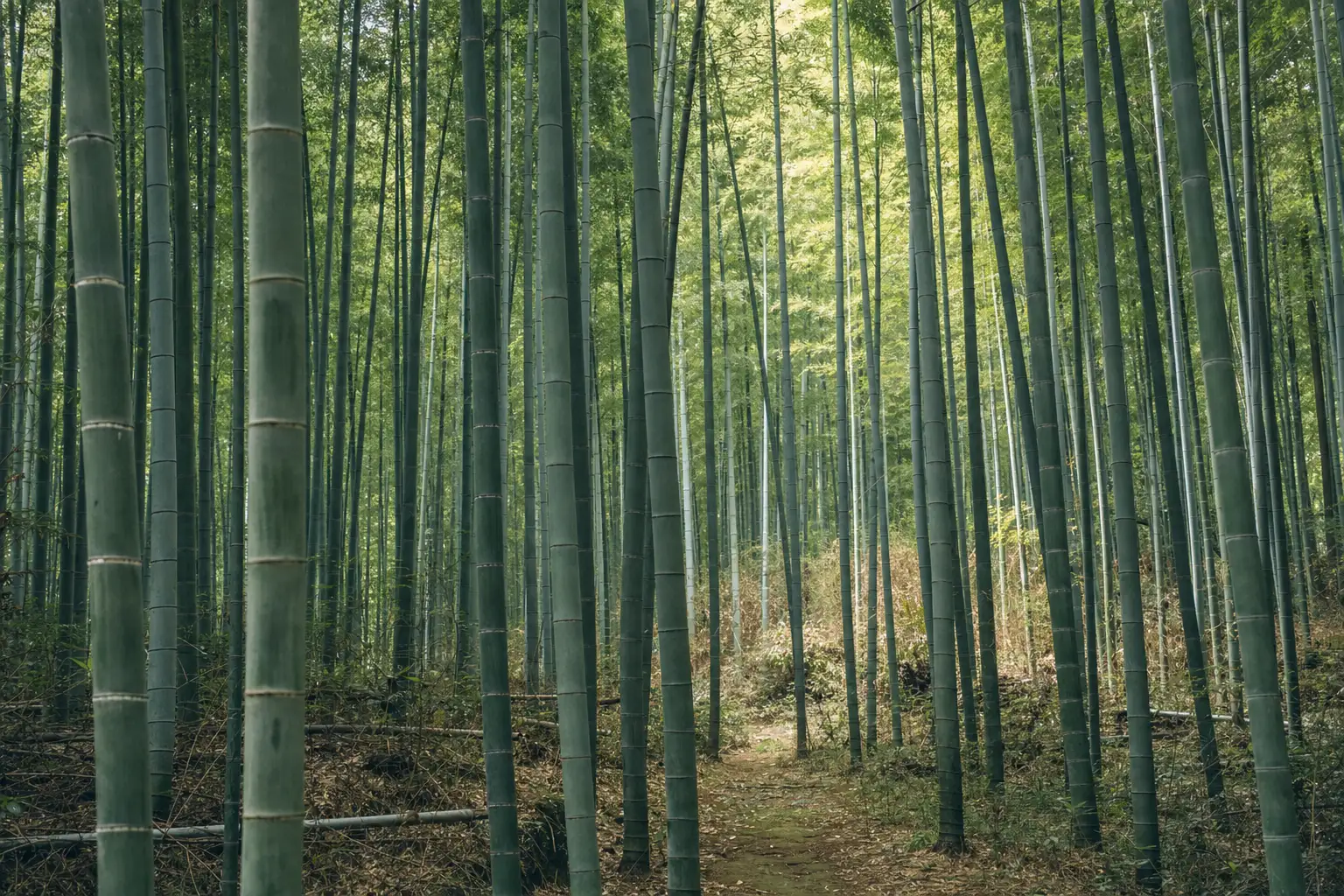
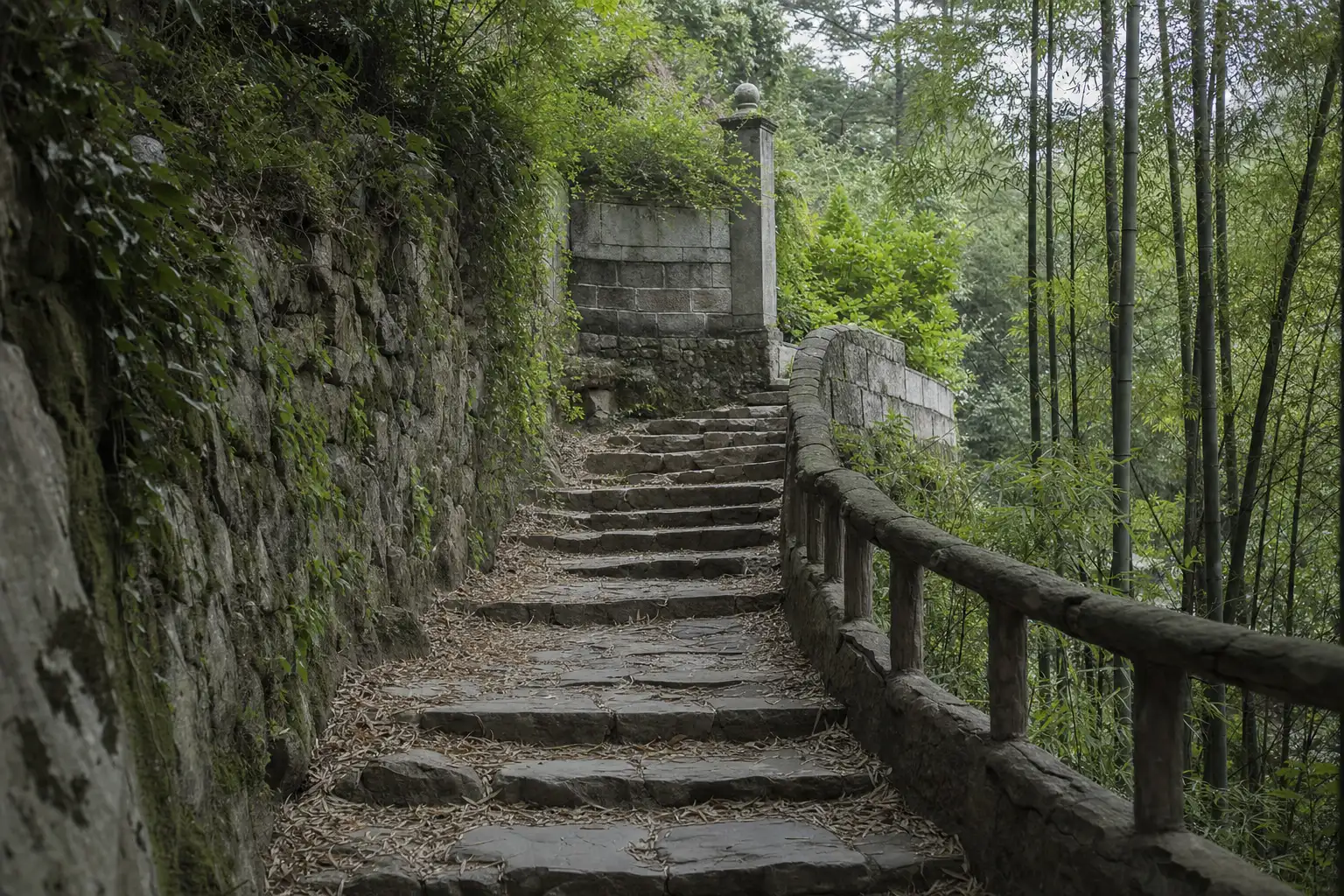
Moganshan is a mountain in Deqing County, in Huzhou prefecture, Zhejiang Province. It stands about 60 km north of Hangzhou and 200 to 240 km from Shanghai. The main peak, Tashan, is 719 to 720 meters high. If a search engine sent you to an art district, that was Moganshan Road in Shanghai’s Putuo District, about 200 km from here and no relation.
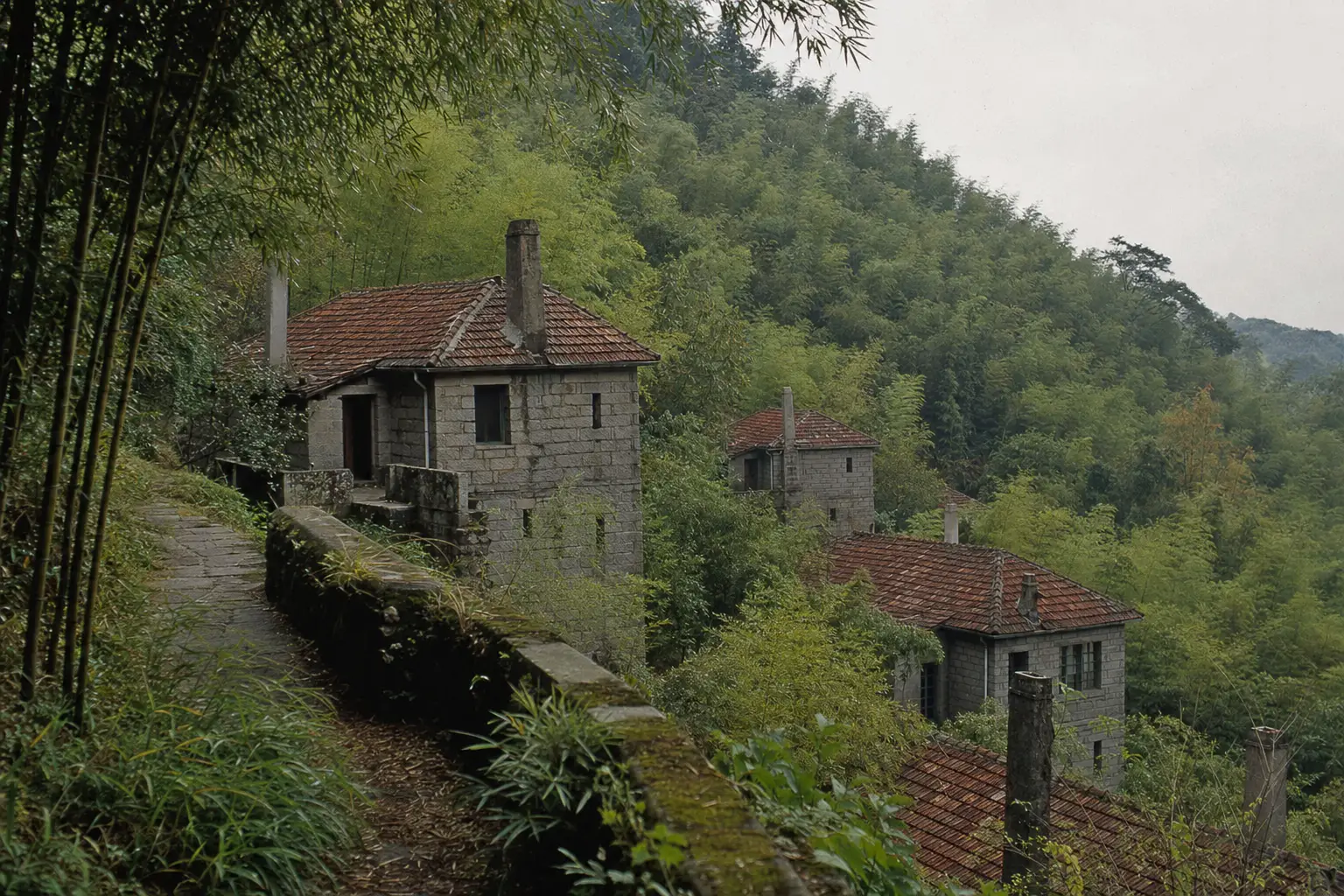
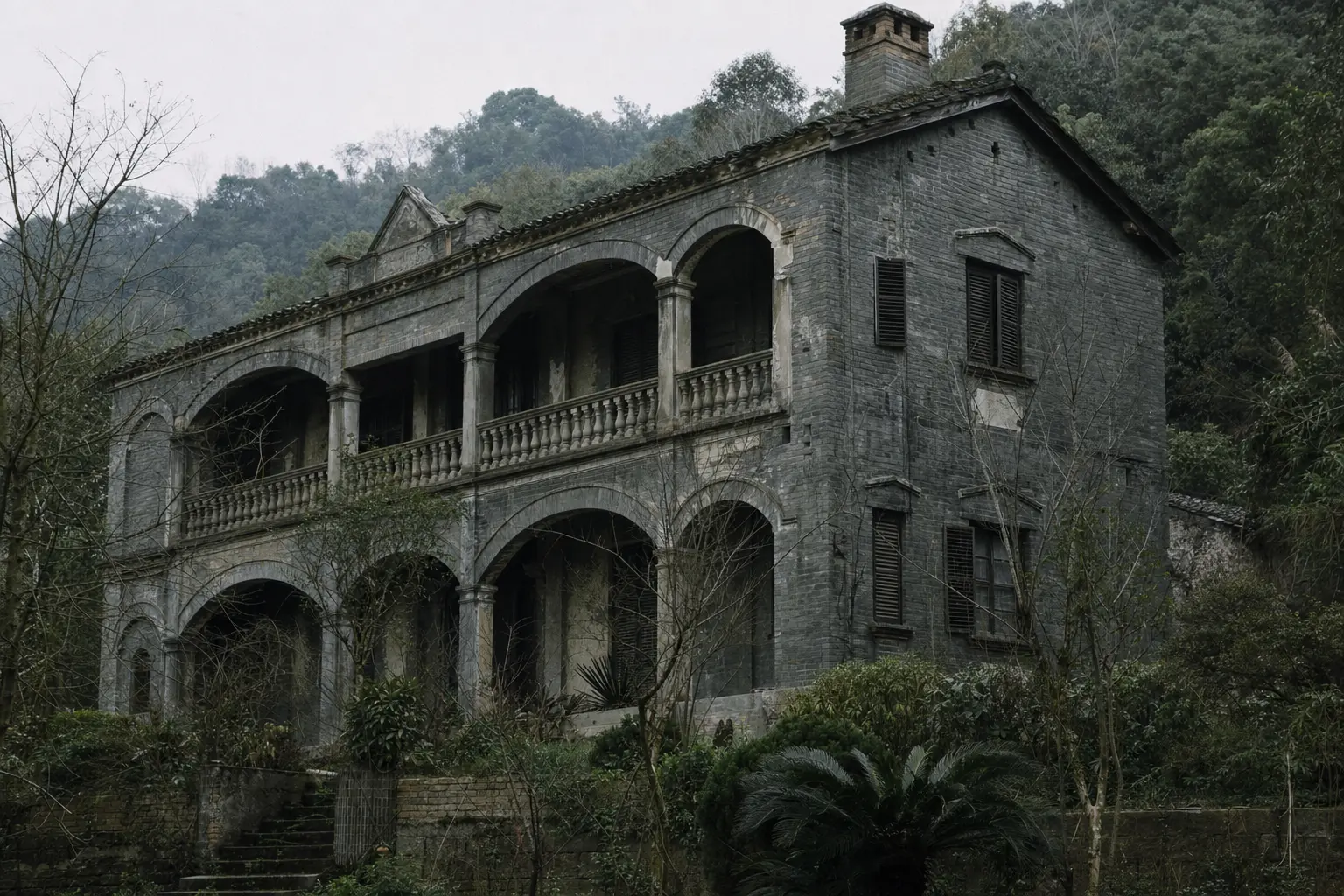
About 250 historic villas survive on these slopes, built from local mountain stone. This page takes six of them and puts them in an order that reads as one story.
Read this before you plan your day around it
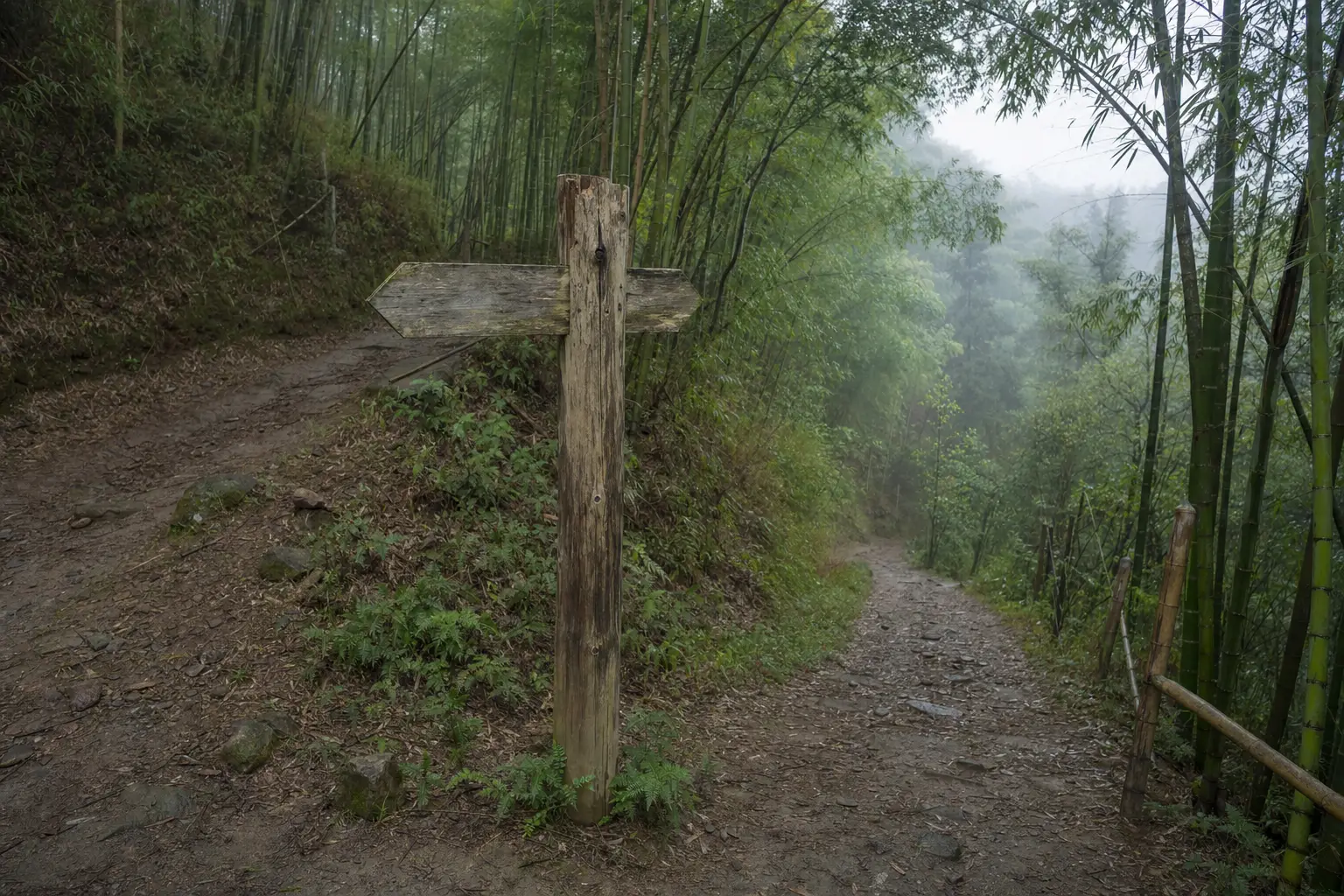
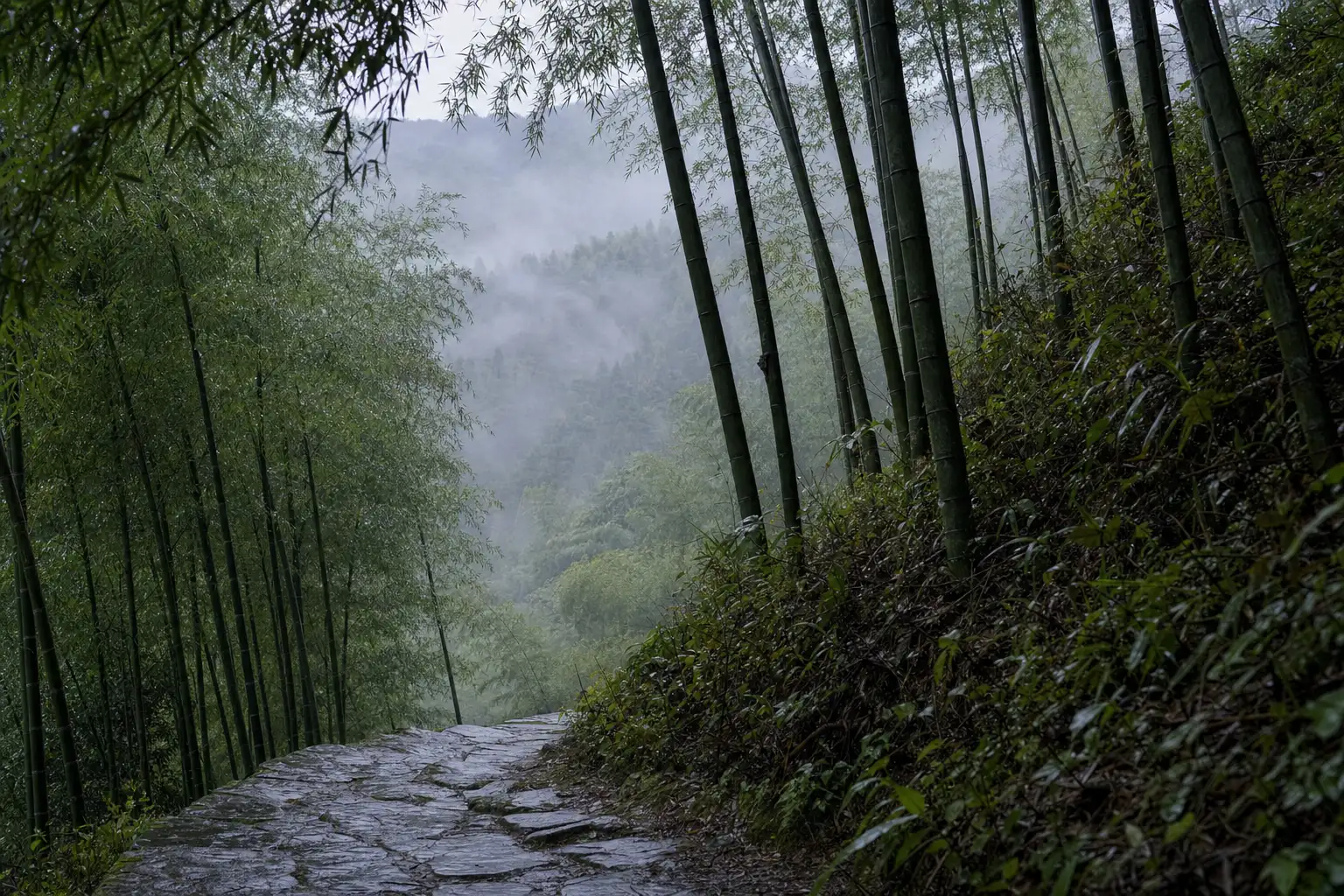
This is a reading order rather than a signposted trail. The six buildings stand within the old hill station and its neighbouring villages, joined by public lanes and stone steps, and the whole of it runs to roughly four kilometres of walking.
Most of the villas are private, and none of them keeps published visiting hours. Treat the walk as an exercise in looking from the lane, and ask your guesthouse for turn-by-turn directions on the morning. Staff walk this mountain every week and know which gates are open.
Villa history and dates: BeyondBorder Group Ltd primary research, 1 to 5 August 2026.
Before you set out
Four things shape the day more than the route does.
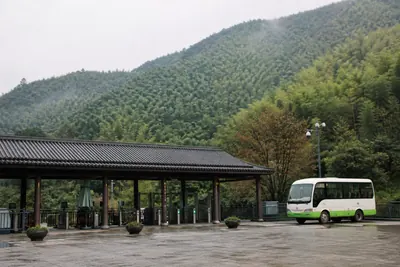
The transfer rule. Private vehicles cannot drive inside the scenic area. You change at one of three transfer centers, Yucun, Fatou or Houwu, and they run 08:00 to 18:00. Arrive at 19:00 and the system has closed. Getting around Moganshan explains how the transfers work.
Tickets. Sources disagree on the price. One gives RMB 120 online and RMB 130 at the gate. Another gives RMB 50 off-season and RMB 80 at peak. Winter is half price. Check the figure when you book, rather than trusting any published number, including ours.
Weather. July and August average 24.1 °C, which is 6 to 7 °C cooler than Shanghai and Hangzhou. January averages 1.4 °C. Bring a layer in either season.
Food. Yucun (庾村), the main village at the foot, has a square, a market and restaurants. Chinese reporting notes the villages have almost no evening economy: no night market, little late-night food. Eat when food is in front of you.
Weekends and the May and October Golden Weeks are heavy. High-end guesthouse occupancy hit 94 percent over the May 2024 holiday. Mondays are notably quiet.
The six stops
| # | Stop | Built or dated | Why it is on this list | Access |
|---|---|---|---|---|
| 1 | Songyue Lodge, Wuling village | Standing by December 1927 | Chiang Kai-shek’s honeymoon villa; currency-reform meetings in 1948 | Exterior from the lane |
| 2 | Baiyun Shanguan | Owned by Huang Fu | 1937 secret talks between the Nationalists and the Communists | Exterior from the lane |
| 3 | The former Empress Hotel | 1934 | Built by banker Jiang Yizhe; Mao Zedong stayed in 1954 | Exterior from the lane |
| 4 | The Du Yuesheng and Zhang Xiaolin villa | 1935 | Built by two Green Gang bosses, ornate Chinese style | Exterior from the lane |
| 5 | Maitland’s castle villa, now naked Castle | 1910 | Scottish physician-missionary; English castle style; a working hotel | Hotel guests and bookings only |
| 6 | The assembly hall | Used in 1984 | Venue of the Moganshan Conference of reform economists | Exterior from the lane |
None of the six keeps published opening hours, and where a building admits visitors at all it is on the day and at the door.
The numbering is a reading order, not a signposted route. It runs from the political villas most visitors come for, out to the oldest surviving foreign house, and ends on the one building here whose reach went past China.
Stop 1: Songyue Lodge, Chiang Kai-shek’s villa
Chiang Kai-shek honeymooned here with Soong Mei-ling in December 1927, in Wuling village. That marriage was a political event as much as a personal one.
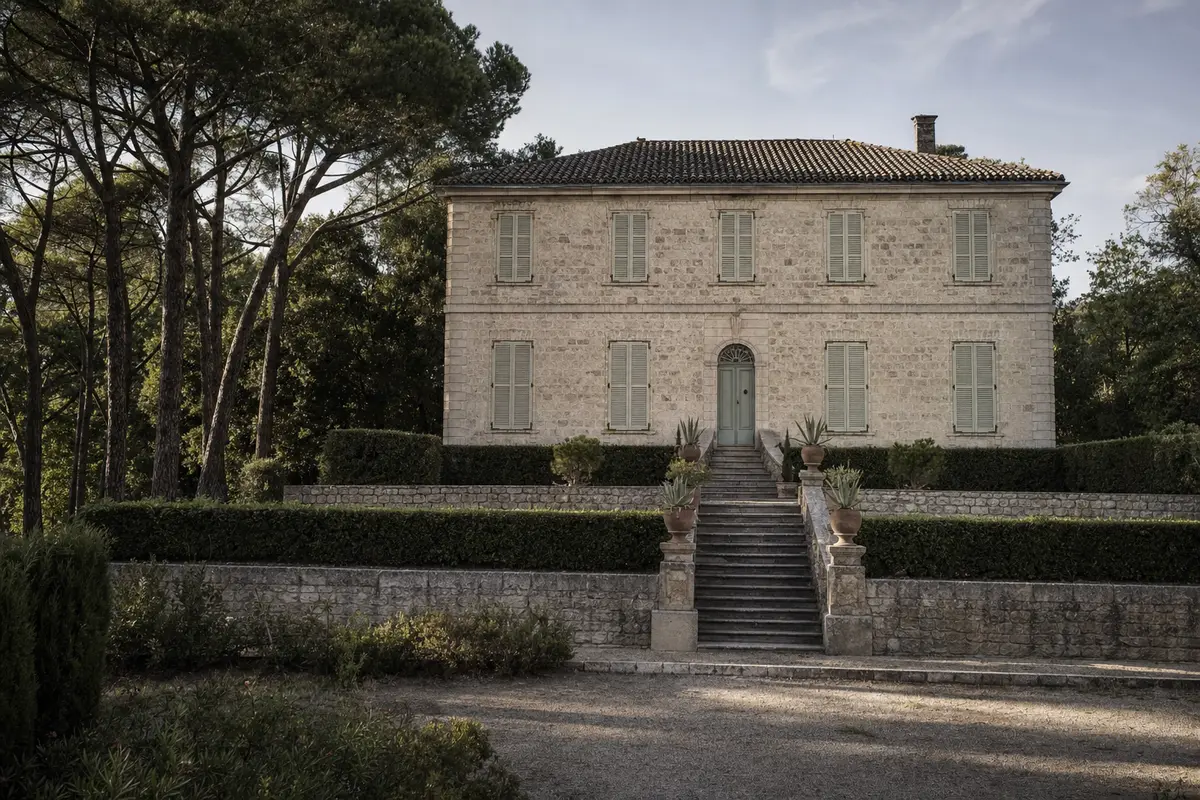
He came back in 1948, by then President, and held currency-reform meetings on the mountain. Within about a year the foreign residents were gone and the villas were being requisitioned.
This is the villa most Chinese visitors have heard of, so expect company at weekends.
Stop 2: Baiyun Shanguan
In 1937 this villa hosted secret negotiations between the Nationalists and the Chinese Communist Party. Zhou Enlai met Chiang Kai-shek here. The talks were part of what is known as the Second United Front.
The owner was not a party man. Huang Fu was a Republican diplomat and former acting premier, and his house was neutral ground both sides could accept.
It is the same man as stop 1, ten years on, with a very different set of people across the table.
Stop 3: The former Empress Hotel
The banker Jiang Yizhe built this villa in 1934. It later became known as the Empress Hotel.
Mao Zedong stayed here in 1954. That was the year the first constitution of the People’s Republic was adopted, and local sources often tie the stay to the drafting of it. The drafting is documented as having taken place in Hangzhou. What happened in this building is the plainer fact: he stayed here in 1954, in the year the constitution was adopted.
If a guide tells you it was written in that room, treat it as mountain storytelling.
Stop 4: The Du Yuesheng and Zhang Xiaolin villa, 1935
Du Yuesheng and Zhang Xiaolin were the two bosses of the Green Gang. In 1935 they built an ornate Chinese-style villa here.
The architecture is the reason to stop. Most older houses here are foreign in style, built by missionaries and merchants who wanted something that looked like home. This one belongs to the wave of Chinese building that followed the handover of 1928, when the Moganshan Management Bureau took over and Chinese owners added more than 300 villas by 1949.
Stop 5: Maitland’s castle villa, now naked Castle
A Scottish physician and missionary named Maitland built a villa in the style of an English castle in 1910. It was restored much later and now operates as naked Castle, a hotel of about 95 keys that opened in 2017.
The date is the interesting part. By 1910 about 300 foreigners held summer homes here, most of them American and British. They had run their own association since 1898 and built a tennis court in 1901. This was a functioning summer town, not a cluster of cabins.
Hayley Keon, “A Peaceful Place: Raising Imperial Children at China’s Moganshan Hill Station,” Journal of Imperial and Commonwealth History, published online 9 January 2026.
Keon’s argument is that Moganshan existed so foreign families could raise foreign children away from Chinese cities. A castle built by a Scottish doctor fits that reading.
It is a working hotel, so access is for guests. Where to stay covers it on the same terms as every other property here.
Stop 6: The assembly hall of the 1984 Moganshan Conference
In 1984 a group of young reform economists met in the mountain’s assembly hall. The gathering is still cited in China as a turning point in how the country argued about its economy.
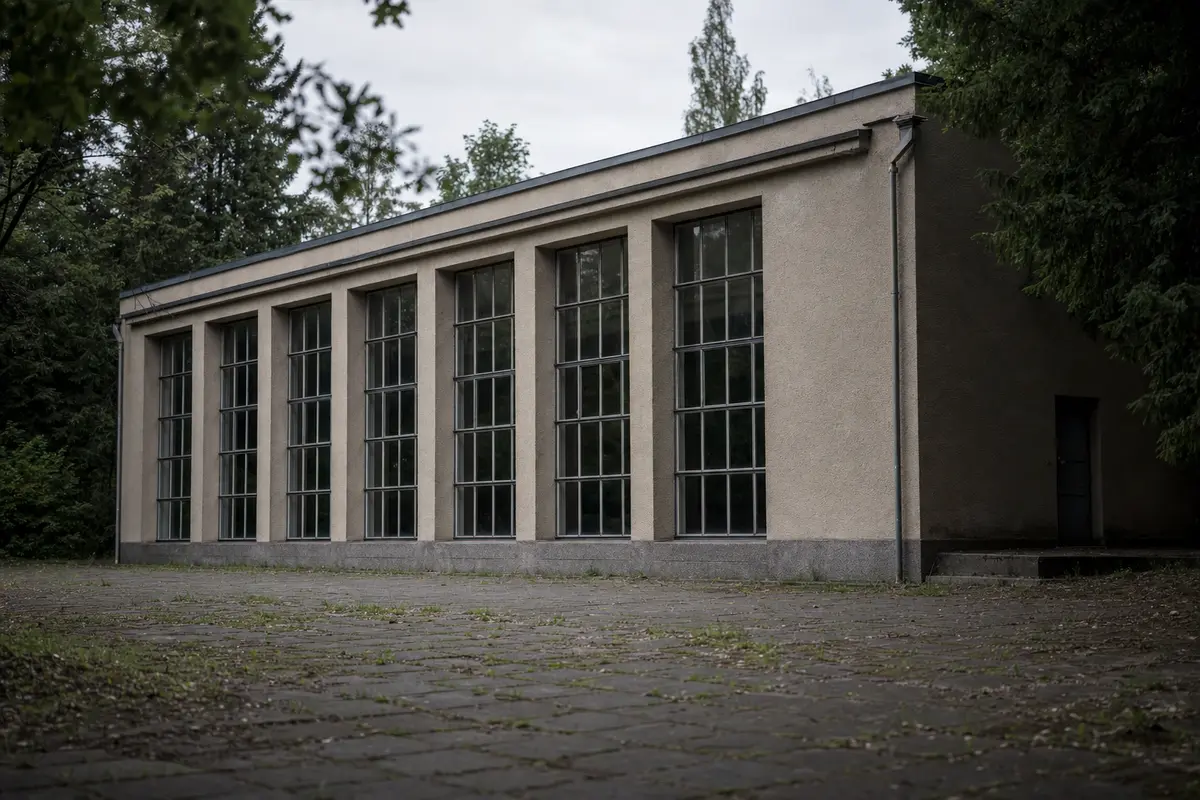
Nothing about the building announces this. No honeymoon, no gangster. It is the stop with the longest reach all the same.
Please do not go through the gate
Most of these buildings are private. Some are homes, some are offices, a few are hotels and a number are simply shut.
The walk is a looking exercise. Stay on public roads and paths, do not open gates, do not walk into gardens and do not photograph through windows. A villa that gets treated badly ends up behind a higher wall, and then nobody sees it. Where a building is a hotel, the way in is a booking.
Historic dates on this page were checked on 5 August 2026. Access to private buildings changes without notice. Ticket prices and transfer hours change too; check them when you book.
Last checked 8 August 2026 by Cyril Drouin. Prices, timetables and entry rules on this mountain move without notice, so confirm anything you are booking around.
Photographs on this site are representative illustrations, not documentary images of the specific building, property or service described.