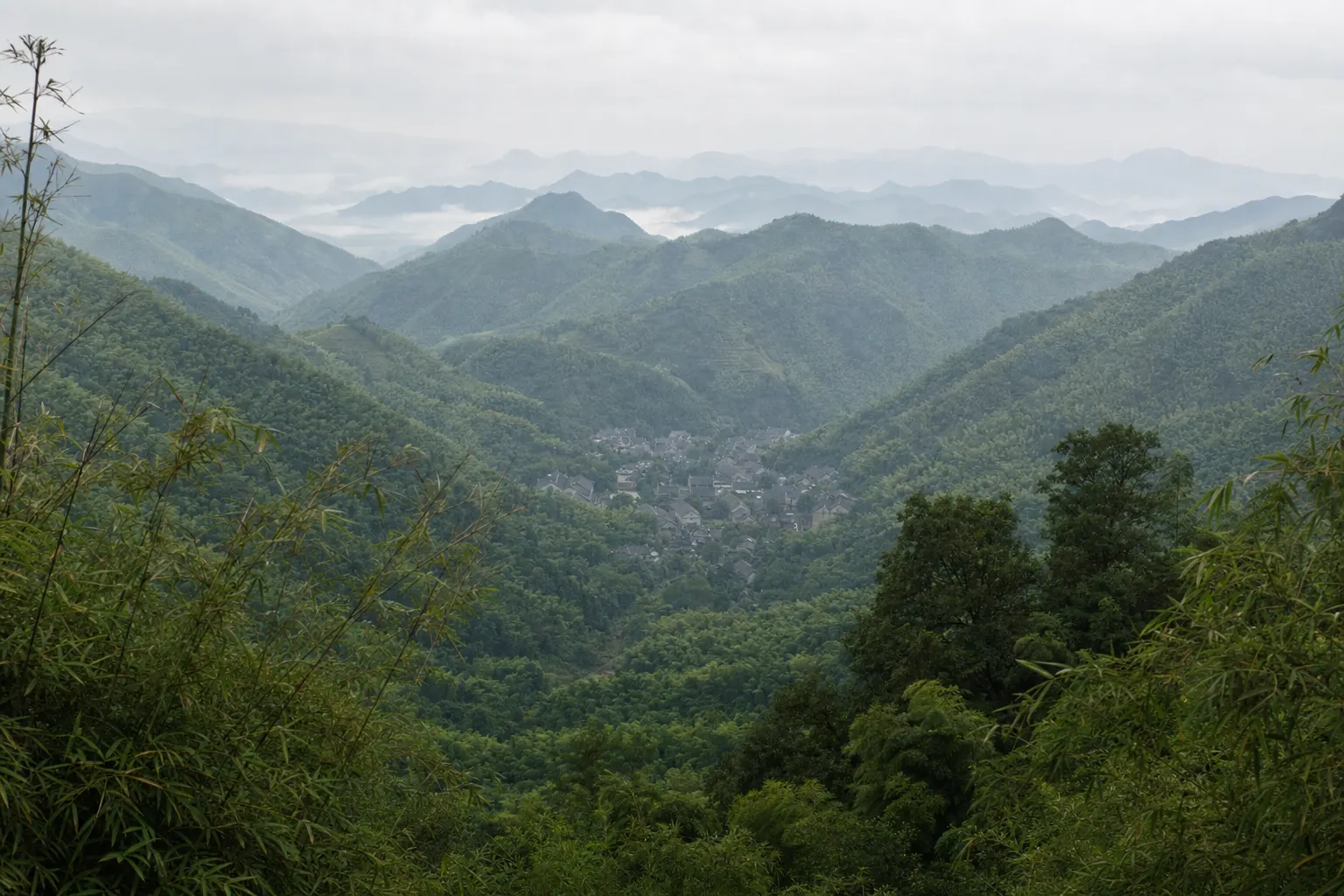
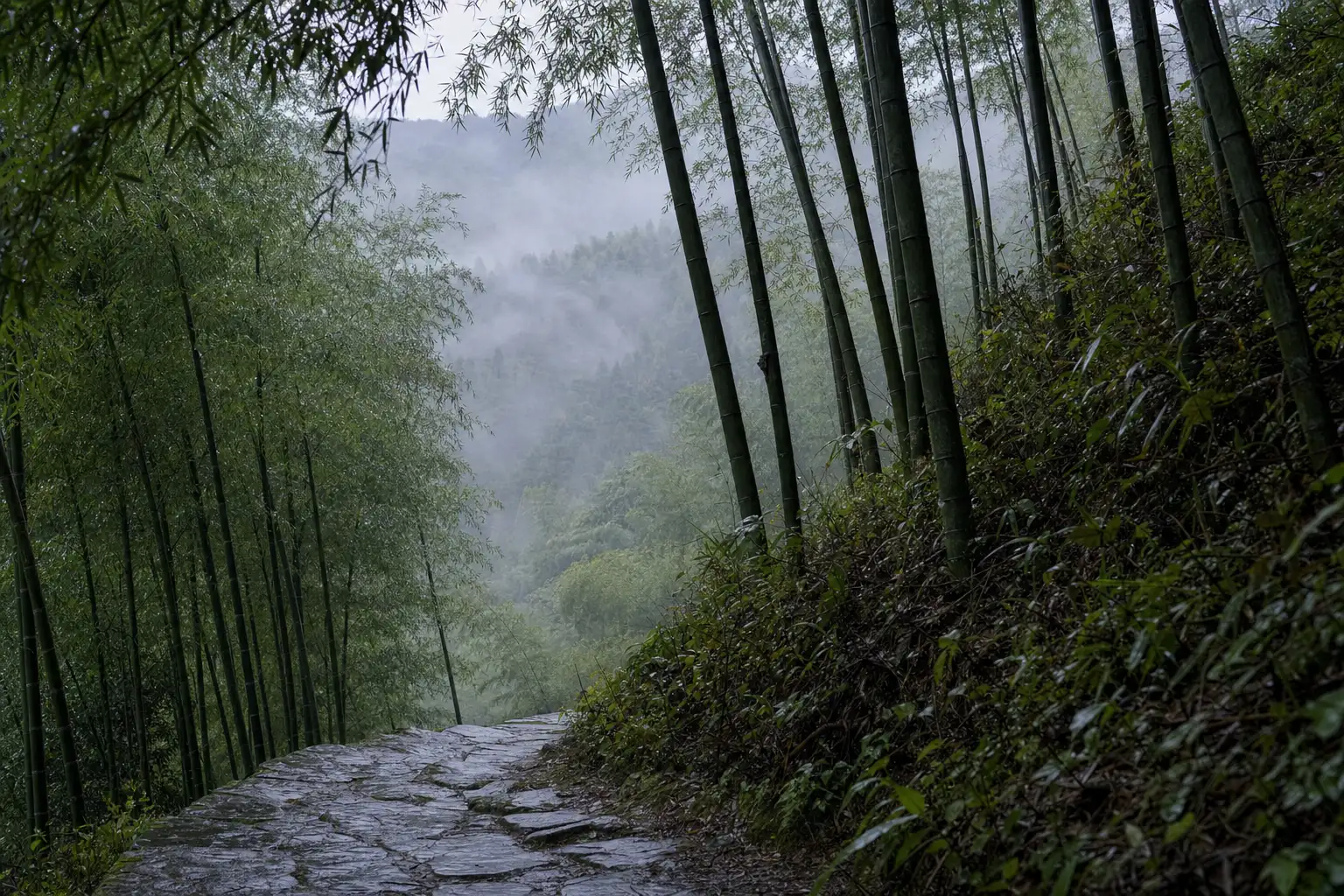
Moganshan is a mountain in Deqing County, part of Huzhou prefecture, in Zhejiang Province, China. It stands about 60 km north of Hangzhou and between 200 and 240 km from Shanghai. The main peak, Tashan, reaches 719 to 720 meters.
That height is why this page exists. American missionaries built the place in the 1890s to escape Shanghai’s summer heat, and weather is still the main reason people come. If you were looking for the art district, that is Moganshan Road in Shanghai, about 200 km away.
The figures worth knowing
| Annual mean temperature | 13.3 °C |
| July and August mean | 24.1 °C |
| January mean | 1.4 °C |
| Summer gap against Shanghai and Hangzhou | 6 to 7 °C cooler |
| Main peak elevation | 719 to 720 m |
Temperature and elevation figures, BeyondBorder Group Ltd primary research, 1 to 5 August 2026.
Sources disagree on January. One puts the mean nearer 3.5 °C. We use 1.4 °C. Either way, January here sits close to freezing.
What 719 meters actually does
Air cools as it rises. Using the standard rate, height on its own should explain four or five degrees between the ridge and the plain below. Treat that as an estimate. The measured summer gap is bigger, at 6 to 7 °C below Shanghai and Hangzhou.
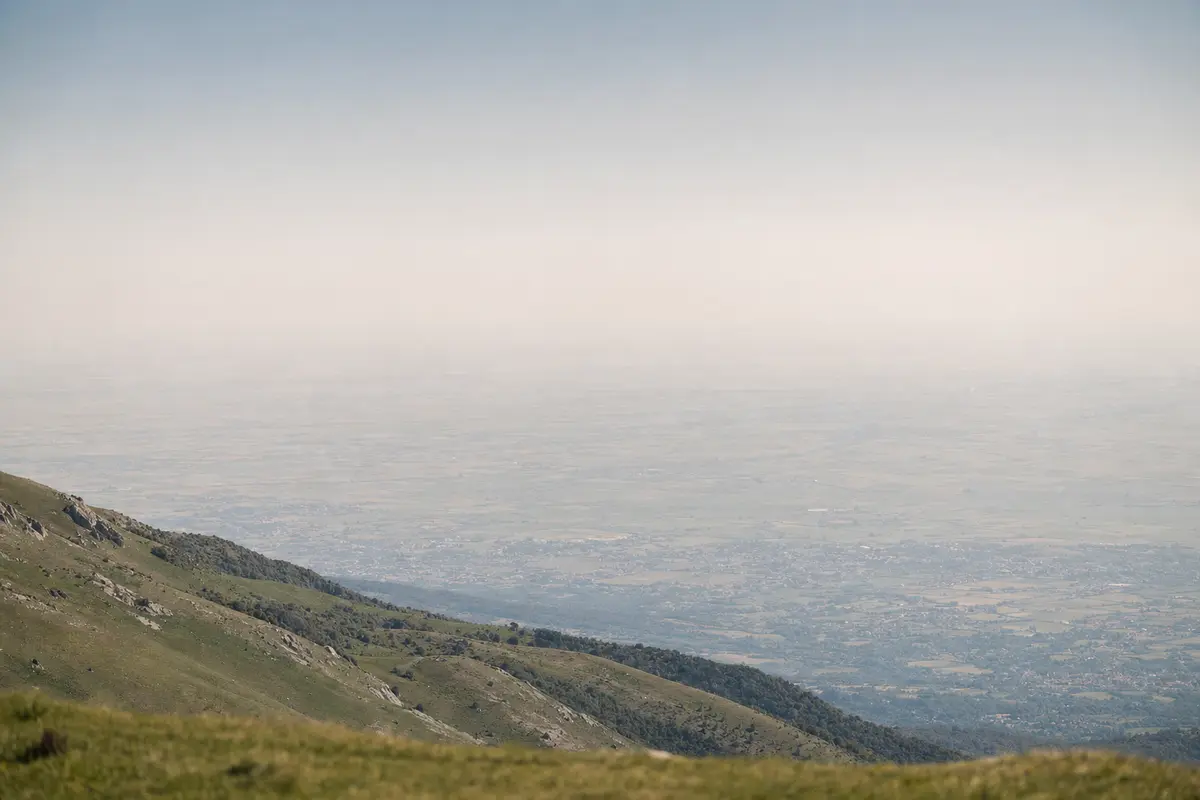
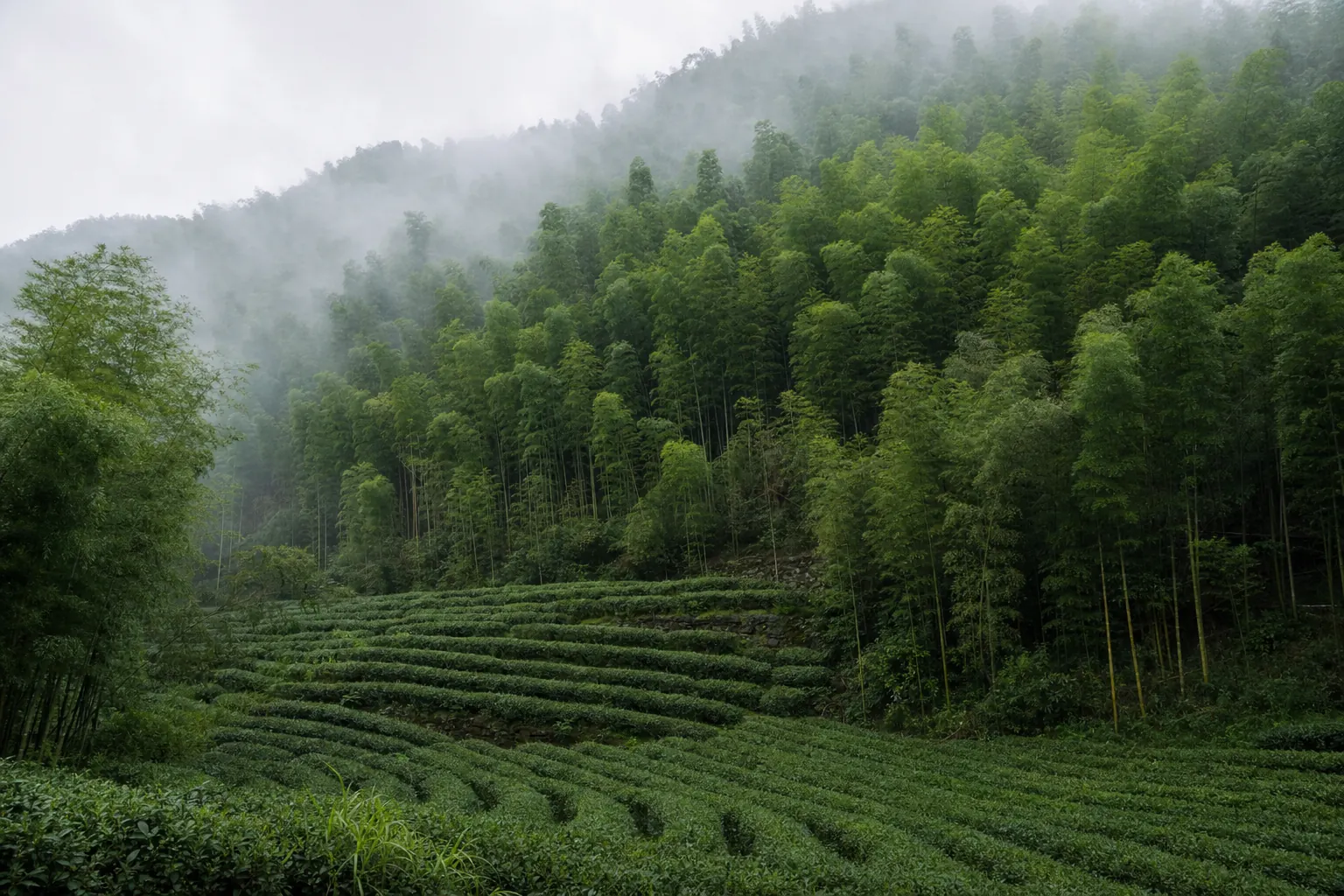
The rest comes from what is on the ground. Forest covers more than 92 percent of the mountain, almost all of it moso bamboo, so the soil sits in shade most of the day. The cities do the opposite. Concrete stores heat all afternoon and gives it back after dark, which is why the gap feels widest at night.
Do not oversell it. A July mean of 24.1 °C is mild, not cold. Afternoons in direct sun are warm and sticky. What changes is the evening, and whether you sleep.
Your weather app is probably showing the valley
Search for a Moganshan weather forecast and most apps resolve it to Deqing or Wukang, the county seat about 20 km away and down on the flat. What you get is a valley reading.
In summer, take 6 to 7 degrees off it. For the rest of the year we have no measured mountain-to-valley gap, so use the forecast as a steer and pack for colder.
Mist and cloud
We have no measured rainfall or fog-day record for the mountain, so read this as guidance, not data.
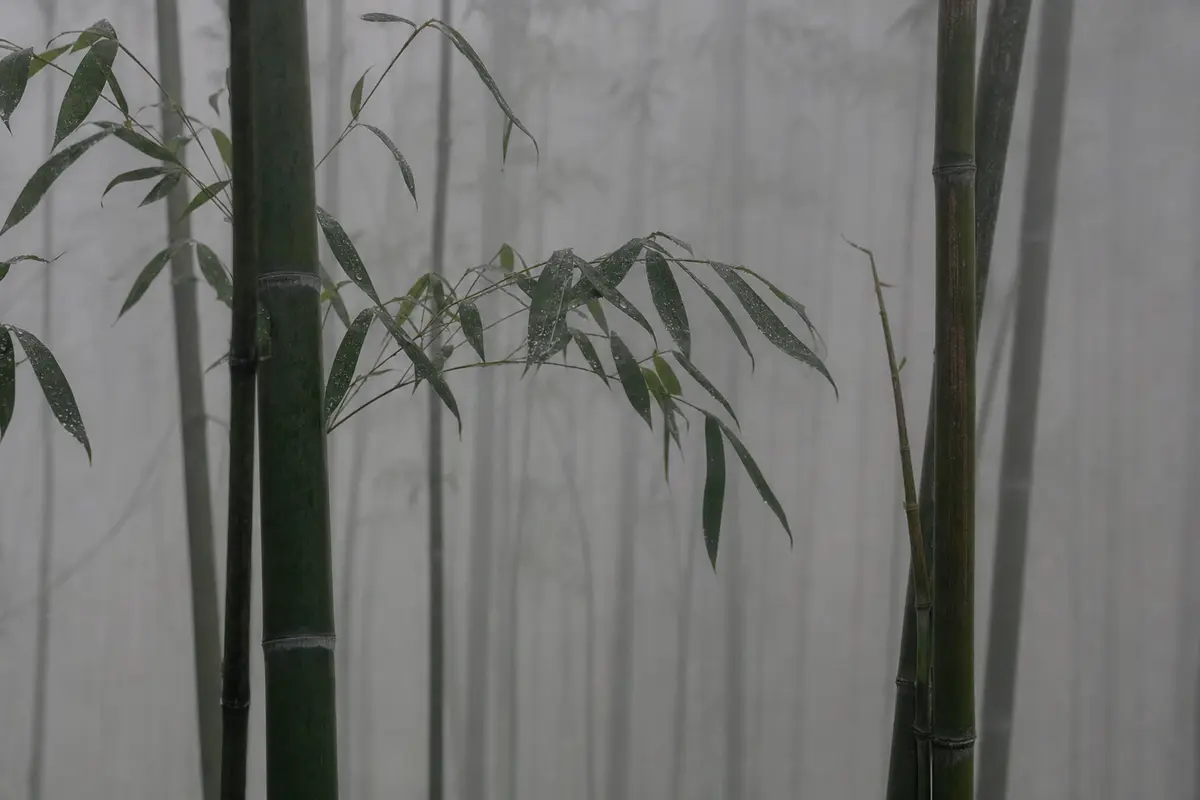
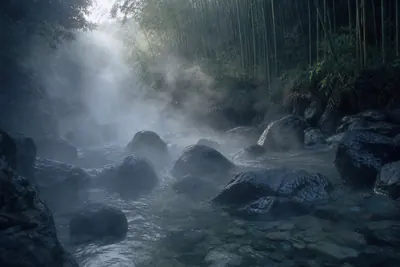
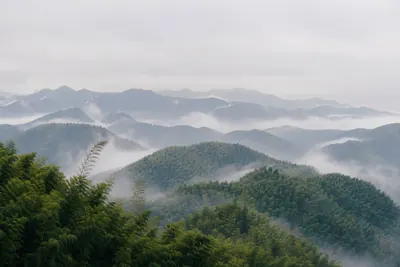
Expect cloud. A wooded ridge at this height, in this part of China, spends a fair number of mornings inside one. That is much of what Moganshan looks like in photographs, and it is also what wrecks sunrise trips to the Xuguang platform. Plan the walk and treat the view as a bonus.
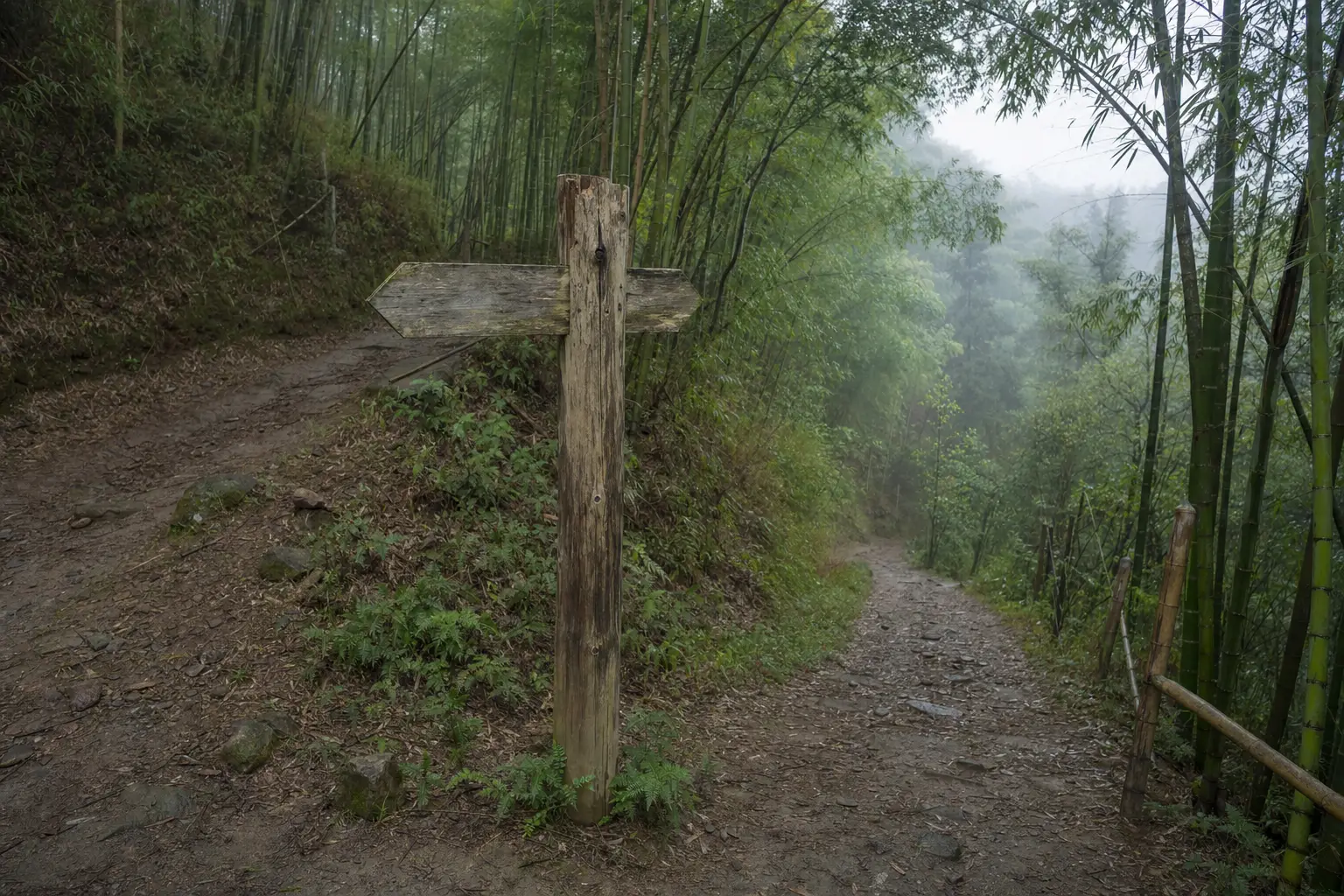
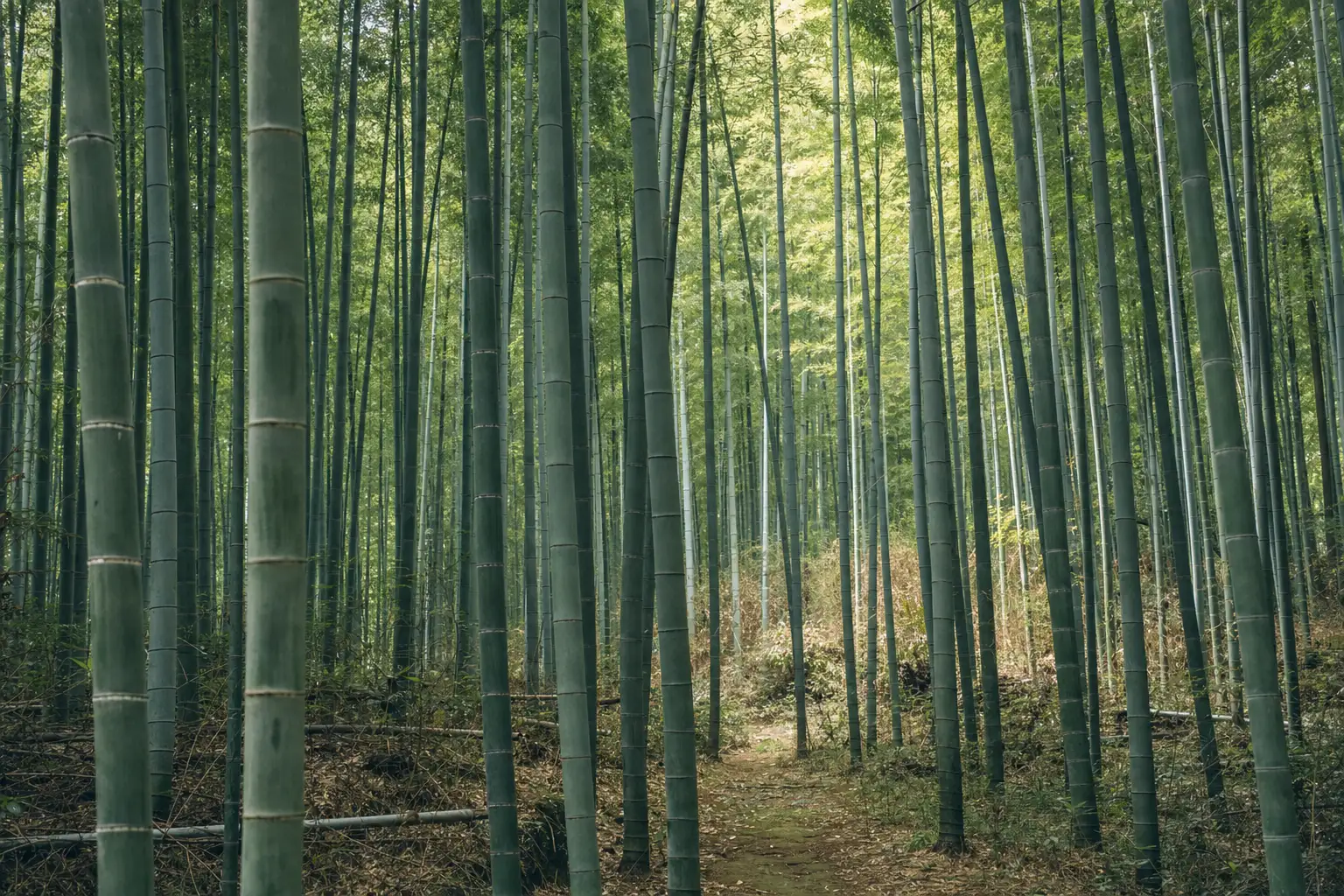
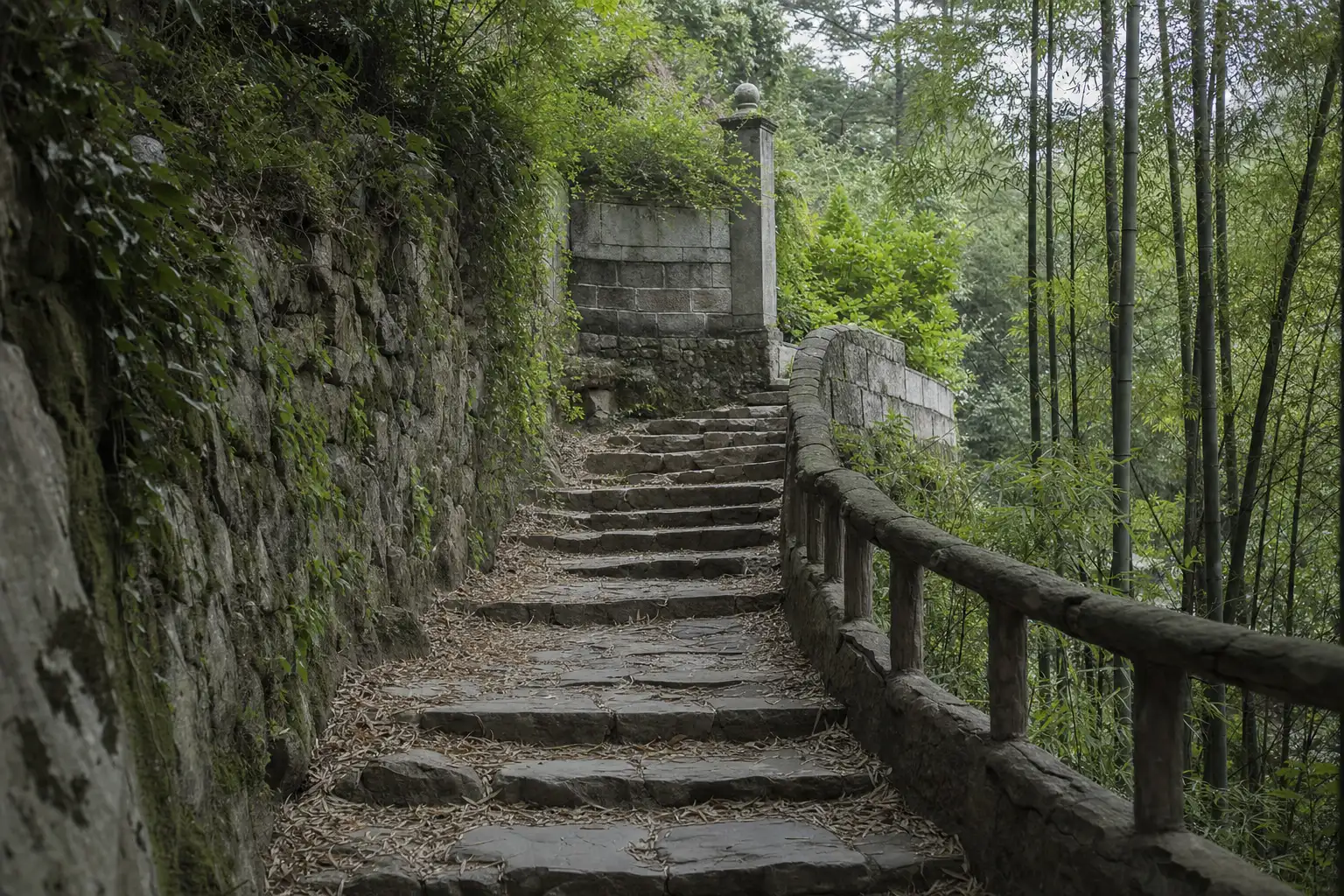
Mist suits the bamboo forest better than hard sun does. The real cost is underfoot: stone steps and packed earth turn slick, which matters more than the photo.
Month by month
| Month | Temperature | Crowds | Verdict |
|---|---|---|---|
| January | Coldest. Mean 1.4 °C | Very low | Cold and empty. Half-price tickets |
| February | Cold, easing late | Low | Still winter. The paths are yours |
| March | Cool, warming week by week | Low to medium | Shoulder season opens. Bamboo shoots |
| April | Mild. Comfortable walking | Medium | One of the best months. Aim for a weekday |
| May | Warm and pleasant | High, extreme in week one | Excellent once the May Day holiday clears |
| June | Warm, humid, very green | Medium | Underrated. The heat has arrived, the crowds have not |
| July | Mean 24.1 °C, 6 to 7 °C under the cities | Very high | The original reason to come, and the busiest |
| August | Same as July | Very high | Book months ahead or forget it |
| September | Warm early, mild by the end | Medium | Heat drops and so do the numbers |
| October | Mild, often clear | Extreme week one, then medium | Best month overall if you skip National Day |
| November | Cool, crisp | Low | Clear late autumn. Fine walking, almost nobody there |
| December | Cold | Very low | Winter proper. Cheap, bare, quiet |
Scenic-area tickets are half price in winter. Sources disagree on which months that covers and on the base price, so confirm it at booking rather than trusting any number, ours included.
Crowd levels above are our estimate, based on the holiday and weekday patterns set out below. The table gives the shape of the year, not a given Tuesday.
Why summer built this place
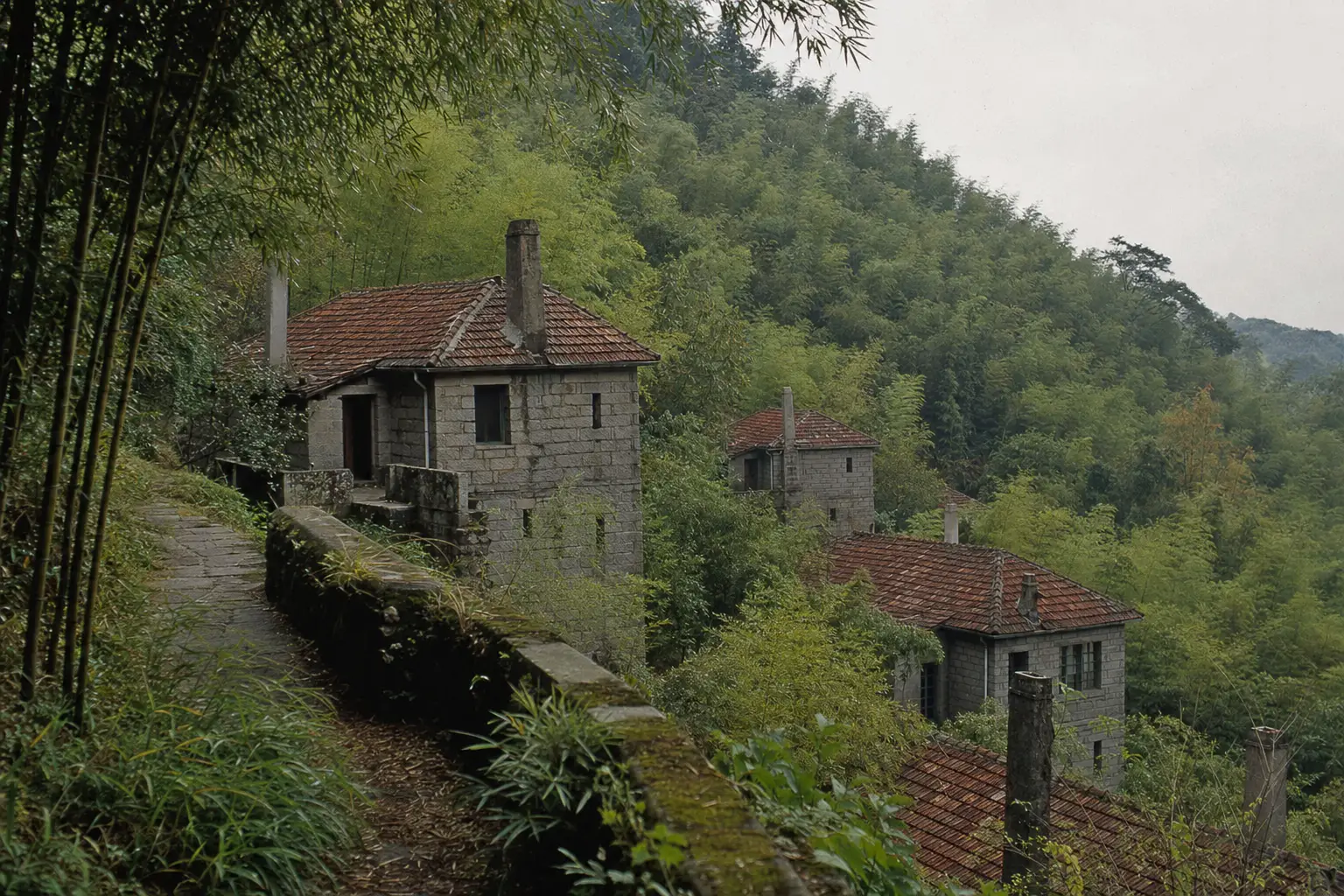
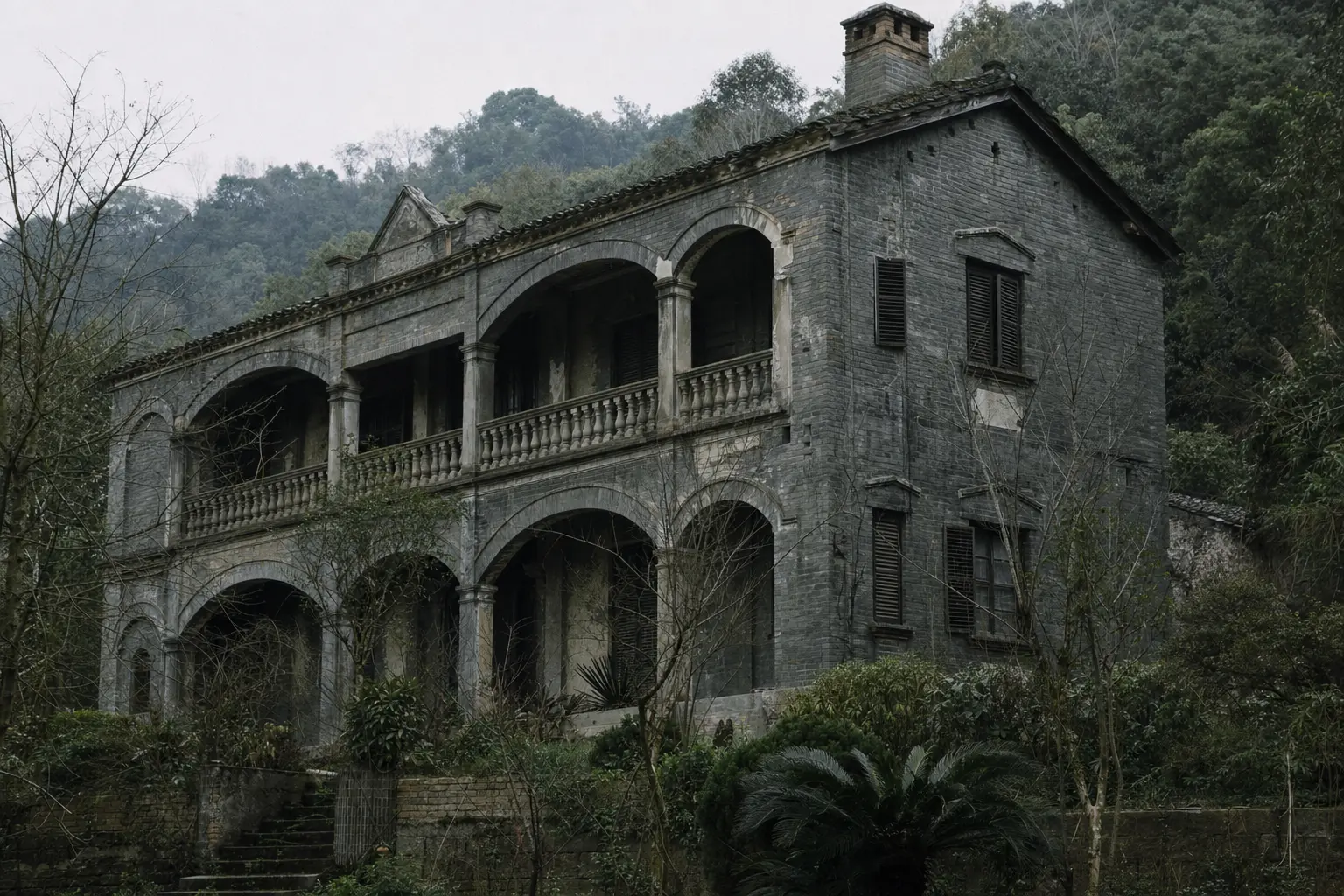
Moganshan exists because Shanghai summers were unbearable. American Protestant missionaries picked the mountain as a hot-weather retreat in the early 1890s, and the first Western villas went up between 1896 and 1898. The Moganshan Summer Resort Association was constituted in 1898. By 1910 around 300 foreigners held summer homes here.
China traditionally lists Moganshan as one of its four great summer resorts, alongside Beidaihe, Lushan and Jigongshan. That listing is about temperature, not scenery.
The offer has not changed in 130 years. It is still the same 6 to 7 degrees. What changed is how many people know.
The case for the shoulder seasons
April, May, September and October hand you most of the summer benefit without the summer competition. Spring brings bamboo shoots and open meadow. Late autumn brings the clearest air of the year. Both are promoted locally as shoulder seasons, which tells you the operators already know summer is oversubscribed.
If July or August are your only options, go, and book early. If your dates move, a Tuesday in October beats a Saturday in August by a wide margin, on the same mountain. The seasons guide covers what each one looks like.
Winter, honestly
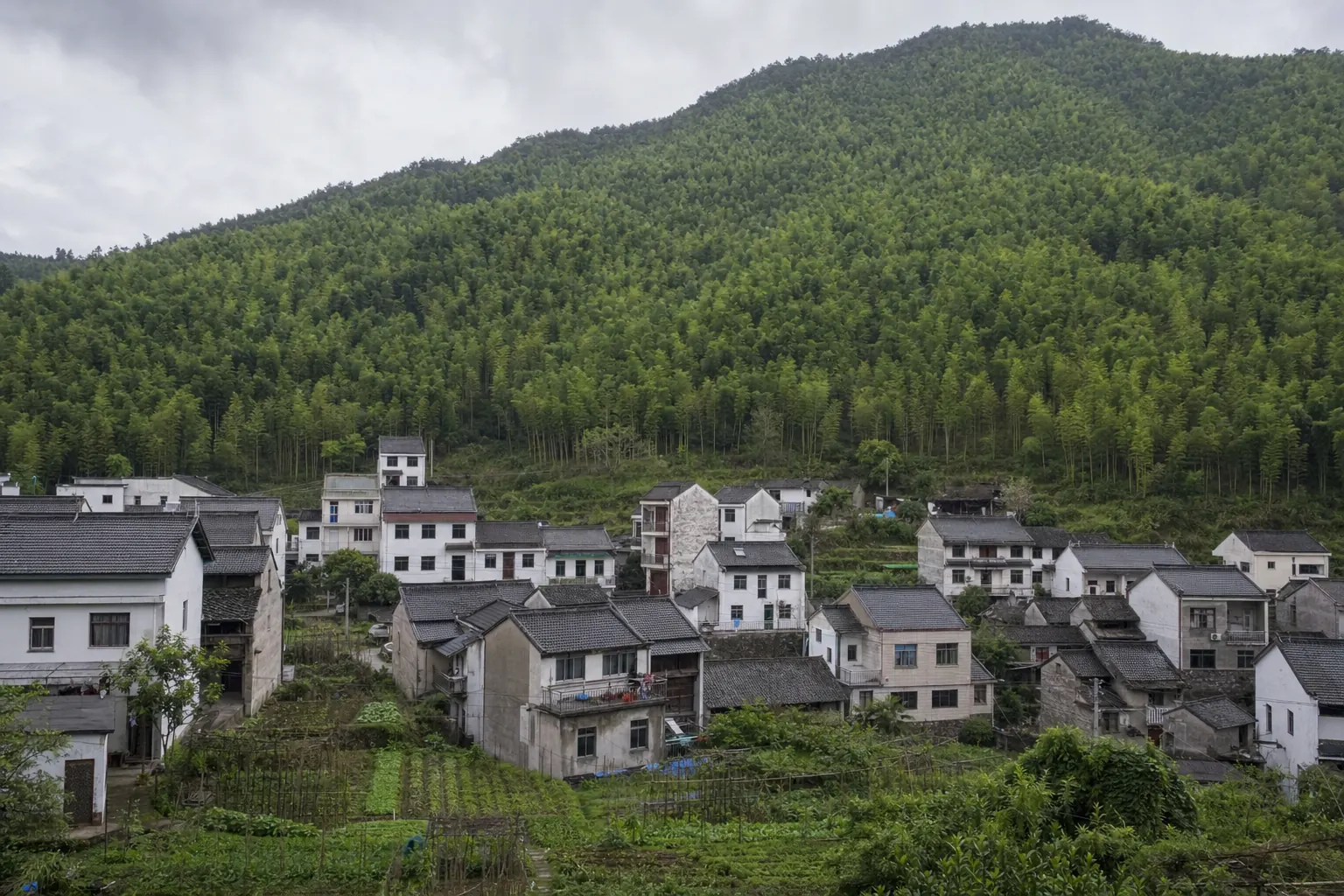
Winter is cold. January averages 1.4 °C, the bamboo looks stripped rather than lush, and the villages go very quiet.
The trade is real. Tickets are half price, and mid-range rooms run about RMB 300 to 500 off-season against RMB 1,000 or more at peak. You can walk for an hour without meeting anyone. If you want the mountain rather than the scene, this is when you get it. The where to stay page has rates by season.
Crowds move more than the thermometer
This is the part most weather pages leave out. The year swings about 23 degrees from January to August. How busy the place feels swings much harder than that.
During the May 2024 holiday, high-end guesthouse occupancy hit 94 percent. Over National Day 2025, daily footfall in Yucun ran 30 to 40 percent above normal. The weekday and weekend split is severe all year, and Mondays are notably quiet.
So pick the weekday first and the month second. A cold Monday in December beats a perfect Saturday in October, and costs less. Check getting here before fixing dates, because the shuttle timetable shapes your arrival day.
What to pack
| When | What to bring |
|---|---|
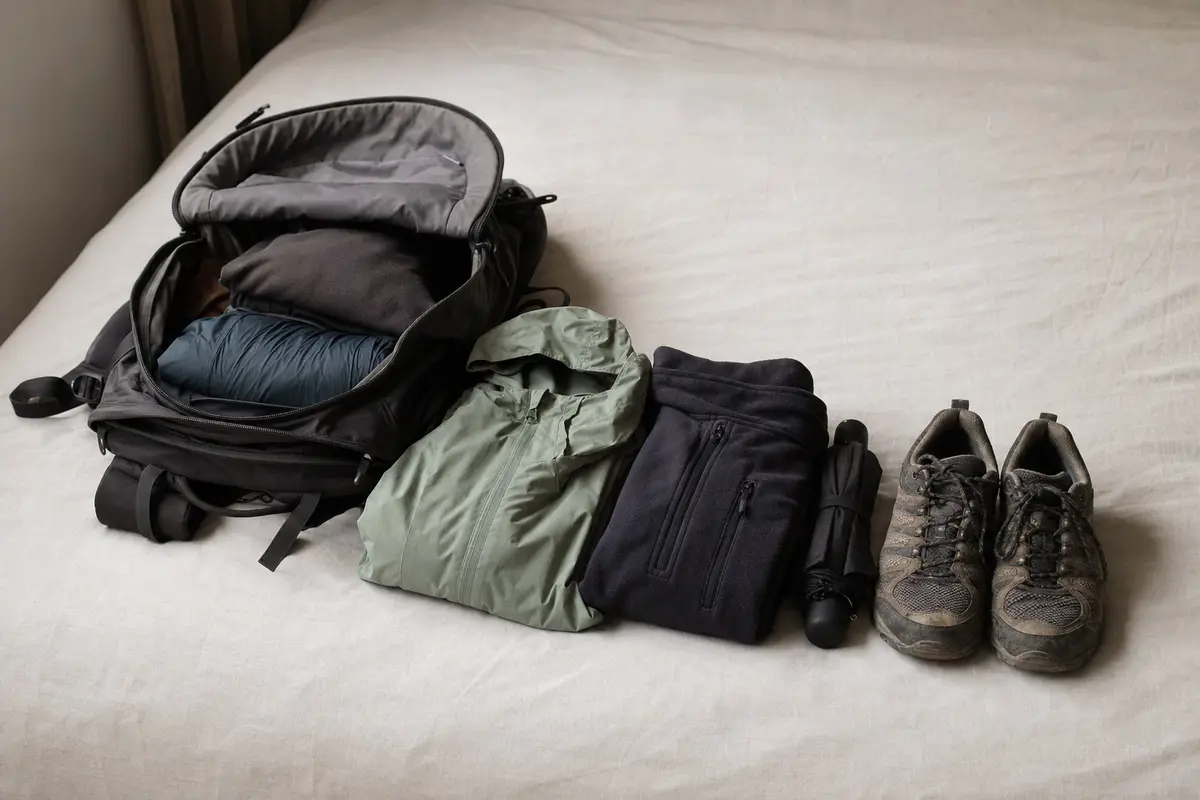
| July and August | Light clothes, plus one long-sleeved layer for evenings. Rain shell. Grippy shoes |
| Spring and autumn | Layers you can strip. A warm mid-layer for early mornings and after sunset |
| Winter | Proper coat, hat, gloves. Treat it as near-freezing, not as mild |
| Any month | Waterproof outer layer and shoes with real tread. Paths are stone and packed earth, and they turn slippery in mist |
Temperature figures, crowd data and the half-price winter ticket last checked 5 August 2026. Ticket prices conflict between sources and change, so confirm at booking.
Last checked 7 August 2026 by Liyan Ye. Prices, timetables and entry rules on this mountain move without notice, so confirm anything you are booking around.
Photographs on this site are representative illustrations, not documentary images of the specific building, property or service described.