If you use a wheelchair, or you can walk but not far, the question about Moganshan is not whether it is worth seeing. It is whether you get past the transfer center at the bottom.
The mountain stands in Deqing County, in Huzhou prefecture, Zhejiang Province, 60 km north of Hangzhou. Tashan, the main peak, reaches 719 to 720 meters, and the villages where almost everyone sleeps sit below the old hill station. The ground between them climbs.
This page sets out how the access system works and which questions decide the trip. The people who can answer them for a particular date and a particular property are on the mountain, so the second half of this page is the wording to send them.
A wheelchair user and somebody who walks 200 meters and then sits down are on different trips, and where the answer splits the page says which.
The infrastructure, in one table
| What is fixed | What it means for you |
|---|---|
| Private cars cannot enter the scenic area. You change at Yucun, Fatou or Houwu, 08:00 to 18:00 | The car that reaches your door at home does not reach it here |
| The Y1 shuttle runs seven times a day from Deqing, RMB 10 | A scheduled vehicle, not one you call |
| Deqing station sits on a high-speed line open since 2013 | Modern station, built to current standards |
| Tashan reaches 719 to 720 m, and the villages sit below the hill station | Everything between them is slope |
| The villages have almost no evening economy | Dinner is arranged with the room, not decided at seven |
Scenic-area vehicle rule, transfer center hours, Y1 timings, peak height and evening economy, BeyondBorder Group Ltd primary research, 1 to 5 August 2026.
A wrong reassurance here does not cost somebody a dull afternoon. It leaves them on the wrong side of a step with a train home in the morning. So this page understates, and it does not call anything here accessible.
Getting as far as Deqing
Start with the part that is most likely to work.
Rail reaches Deqing in 63 to 80 minutes from Shanghai Hongqiao and 13 to 17 from Hangzhou East. Book Deqing: another station is called Moganshan and does not serve the mountain, which the Deqing station guide sorts out.
Stations built for that network usually carry elevators and level platform access. Ask about assistance at the point of booking rather than on the day, and treat the answer you get as the plan.
| Last mile from Deqing station | What runs |
|---|---|
| Y1 shuttle to Moganshan town | Seven departures, 30 to 40 minutes, RMB 10 |
| Taxi or van to Moganshan town | About RMB 100, about 30 minutes |
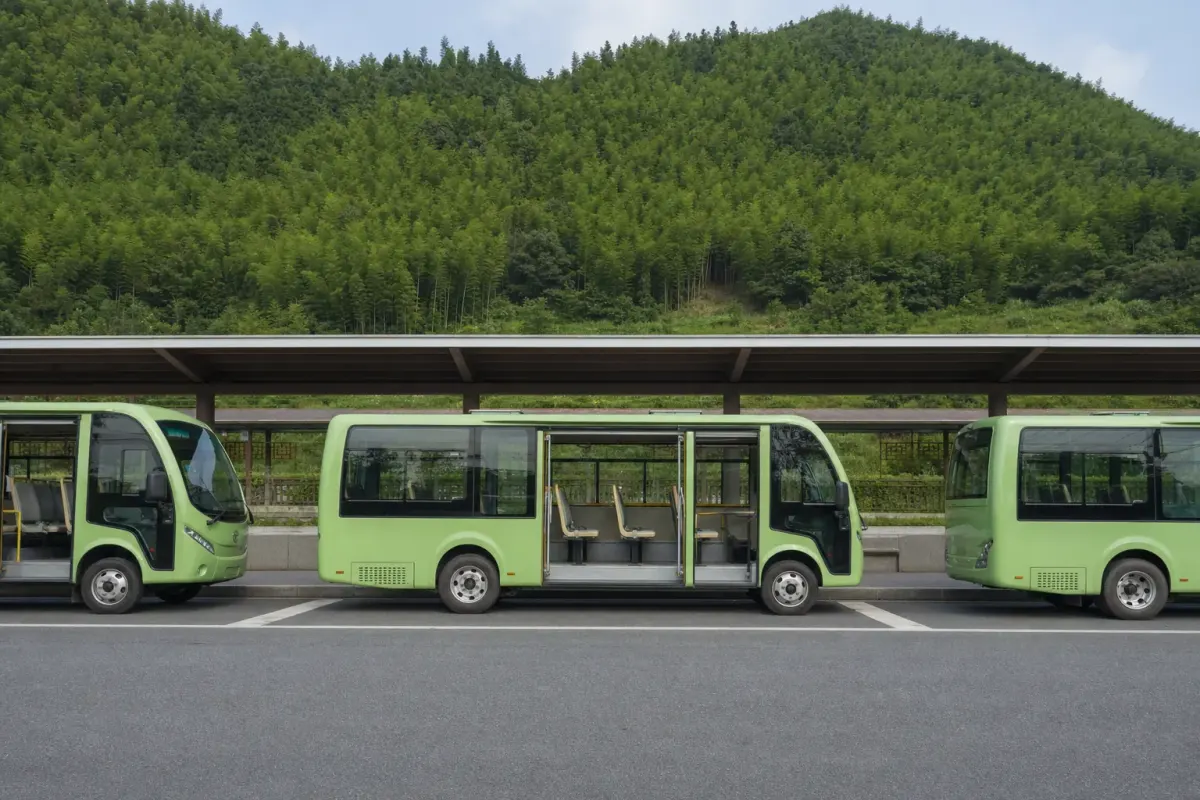
The Y1 is dressed as a Republican-era tram. That is styling, and it says nothing about the floor height, so treat boarding as a step up until somebody on the ground tells you otherwise.
A taxi is the fallback. Lift-equipped vehicle hire is not a service this county advertises, and Hangzhou is the nearest place worth calling about it.
The rule that decides everything
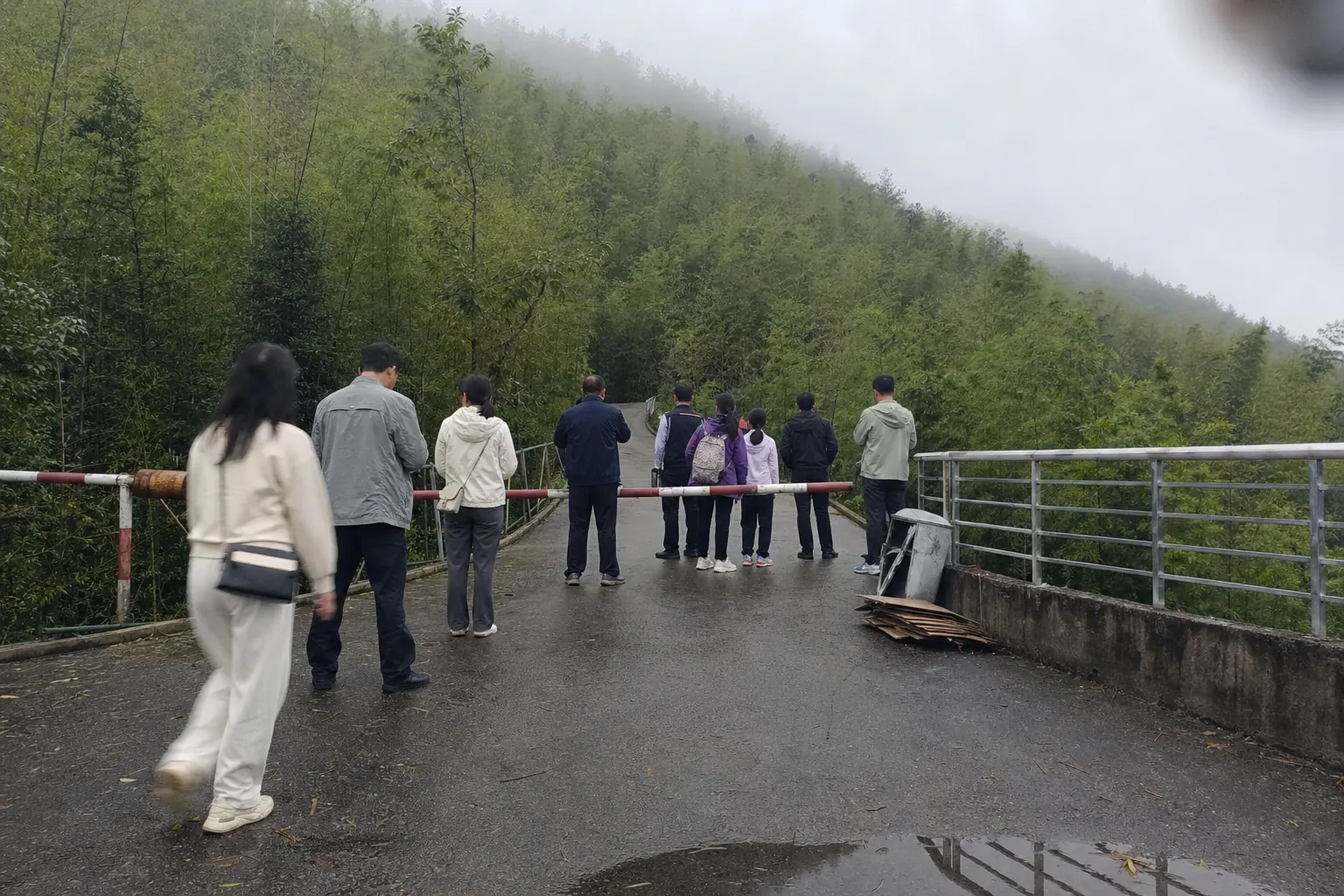
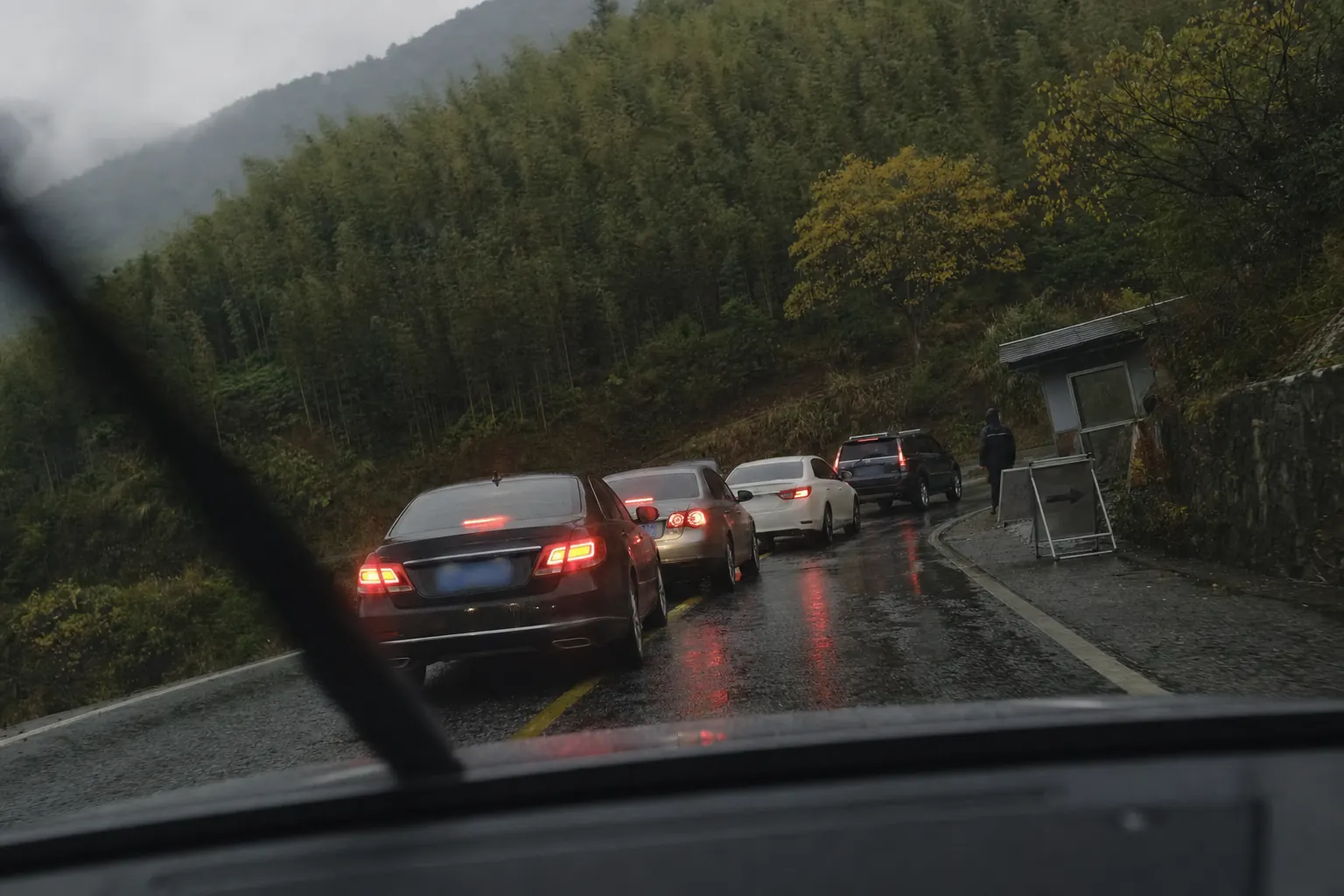
The private-vehicle rule decides this trip more than the gradient does. No private car goes inside the scenic area. Everyone changes at one of three transfer centers, Yucun, Fatou or Houwu, and all three run 08:00 to 18:00.
For most travelers the transfer is a nuisance. For anyone who cannot walk far it removes the one thing that usually solves this, a car that reaches the door.
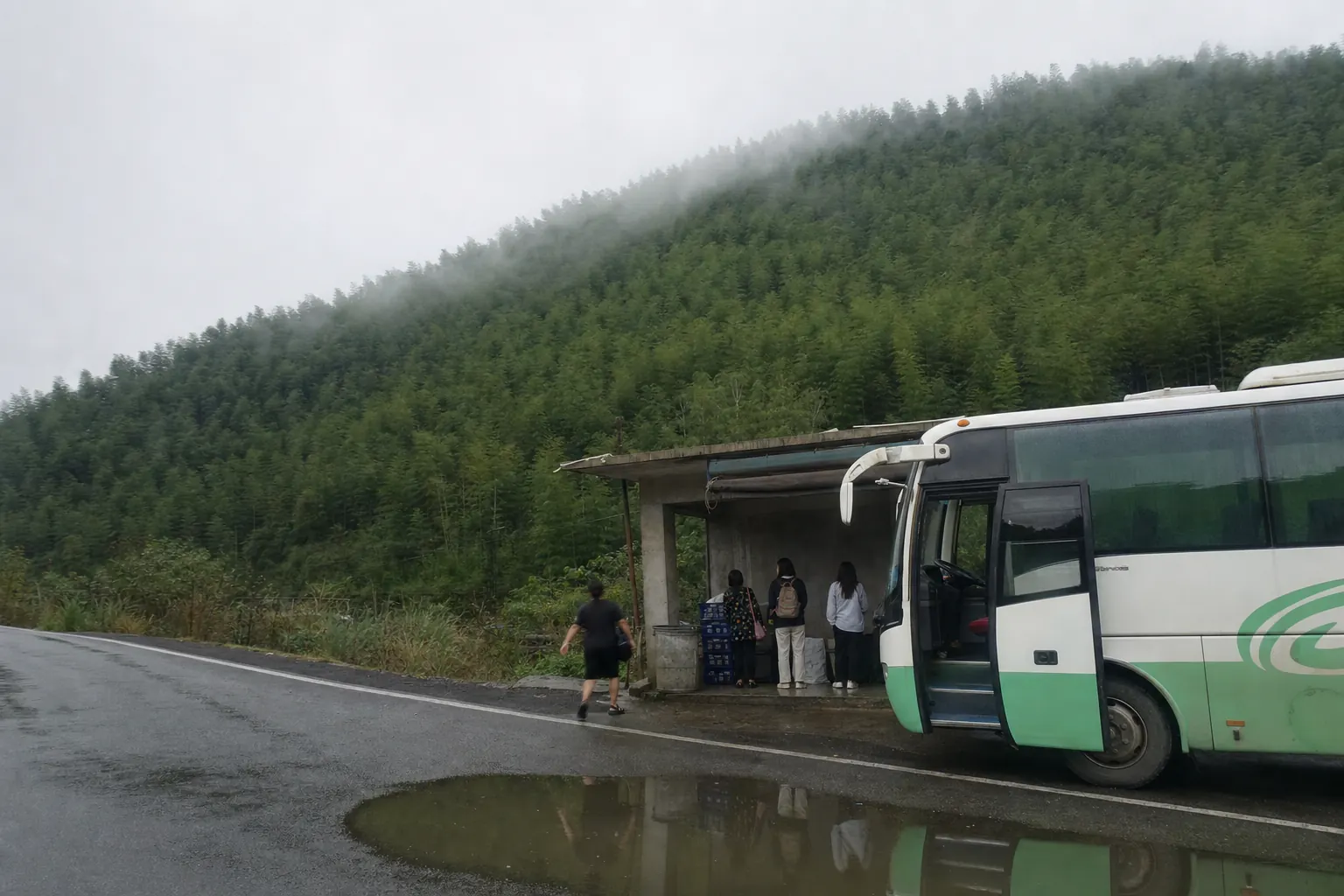
What replaces it is a shuttle designed for general visitors rather than for step-free boarding. Plan on being able to manage a step and a handrail, or on having someone with you who can help, and call the transfer center in advance if that is not possible.
The hours bite twice. Arrive after 18:00 and the system has shut, and a slow transfer at either end has less slack than the timetable suggests. Getting around Moganshan covers them for everybody else.
Once you are up there
Say the transfer is solved. The ground above it is the next problem, and it is older than the rule.
Moganshan is not one settlement. It is a ridge with villages around the base, joined by roads that climb. Houwu to Yucun runs about 30 minutes by road, which gives you the scale. The villages guide takes them one by one.
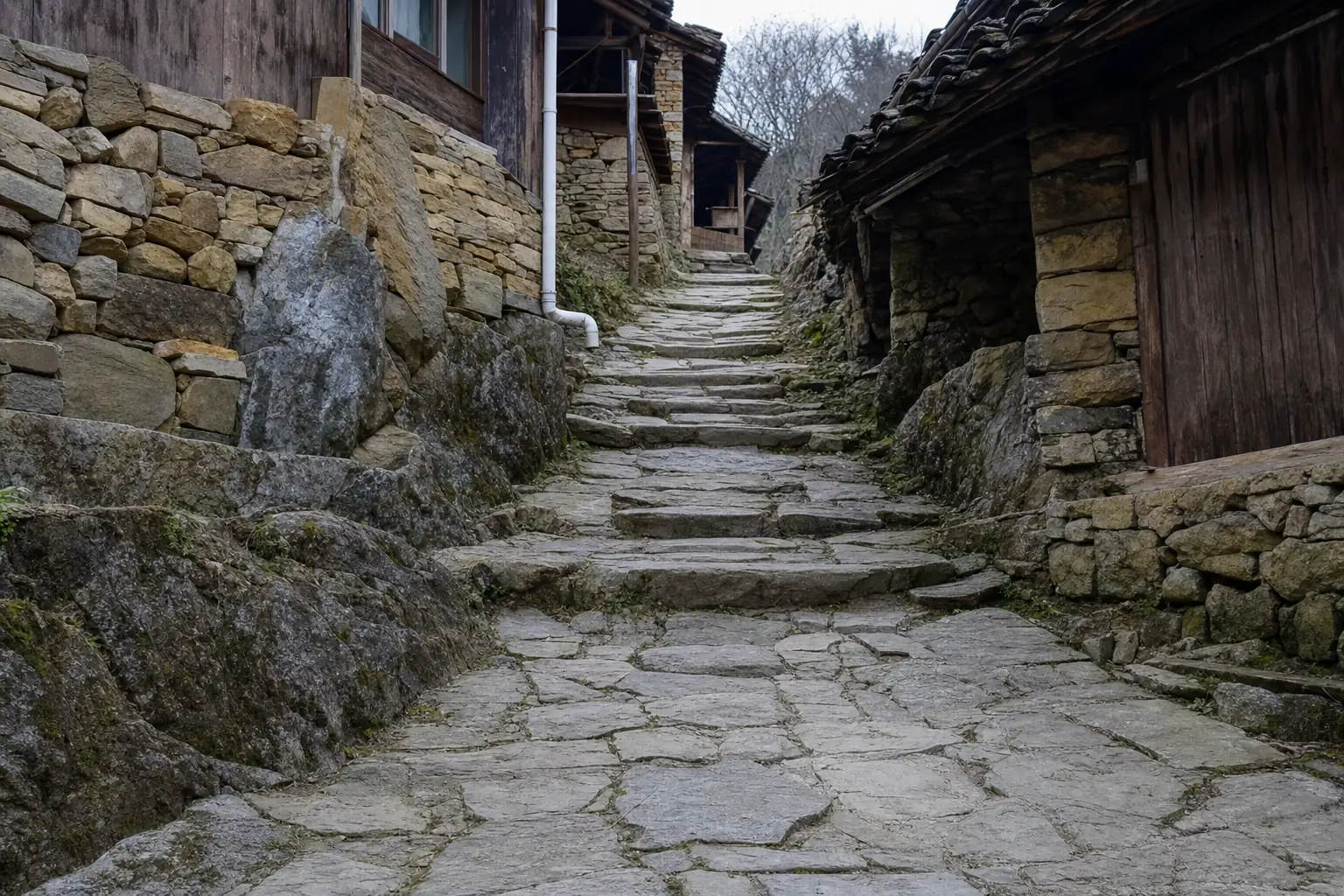
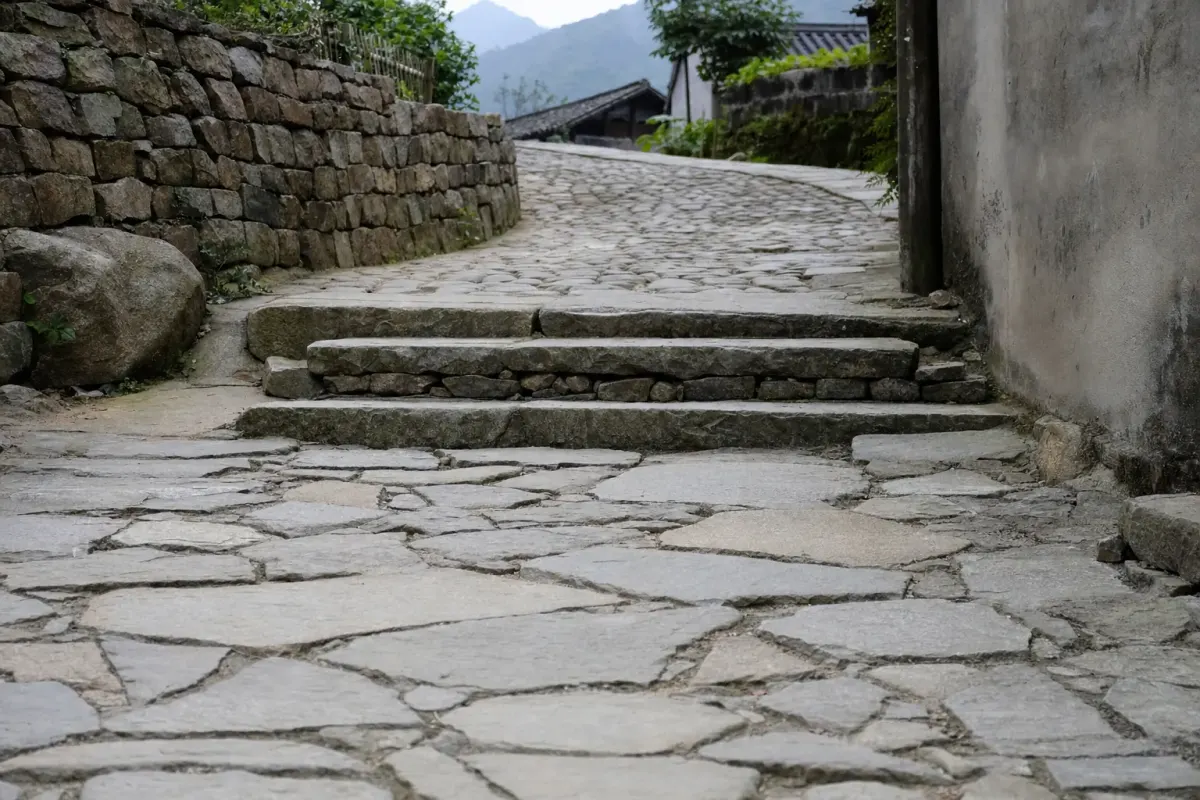
Through the villages and the old hill station the surface is stone paths, steps and paved lanes, laid from the 1890s onward to move summer families between houses. It is uneven, it is jointed, and it was never level to begin with. Short flat stretches exist inside a village; nothing joins them.
The villages have no evening economy, and that lands harder on this page than on any other. A guest who cannot walk to dinner depends on the property they booked.
The scenic area and the named sights
The ticketed core covers about 20 km². Inside it are Sword Pond, Luhuadang Park, Dakeng, the Xuguang sunrise platform, Chiang Kai-shek’s villa and the Bai and Yun Art Museum.
You reach all of them on laid stone, from wherever the scenic-area transport puts you down, and steps appear on the approach to most. The scenic area page covers what each one is.
Ticket prices vary between sources, as the planning section sets out. Chinese scenic areas commonly discount or waive entry for disabled visitors and a companion, so bring documentation and ask at the ticket window; it is applied at the gate rather than online.
Where to stay, and what to ask before you pay
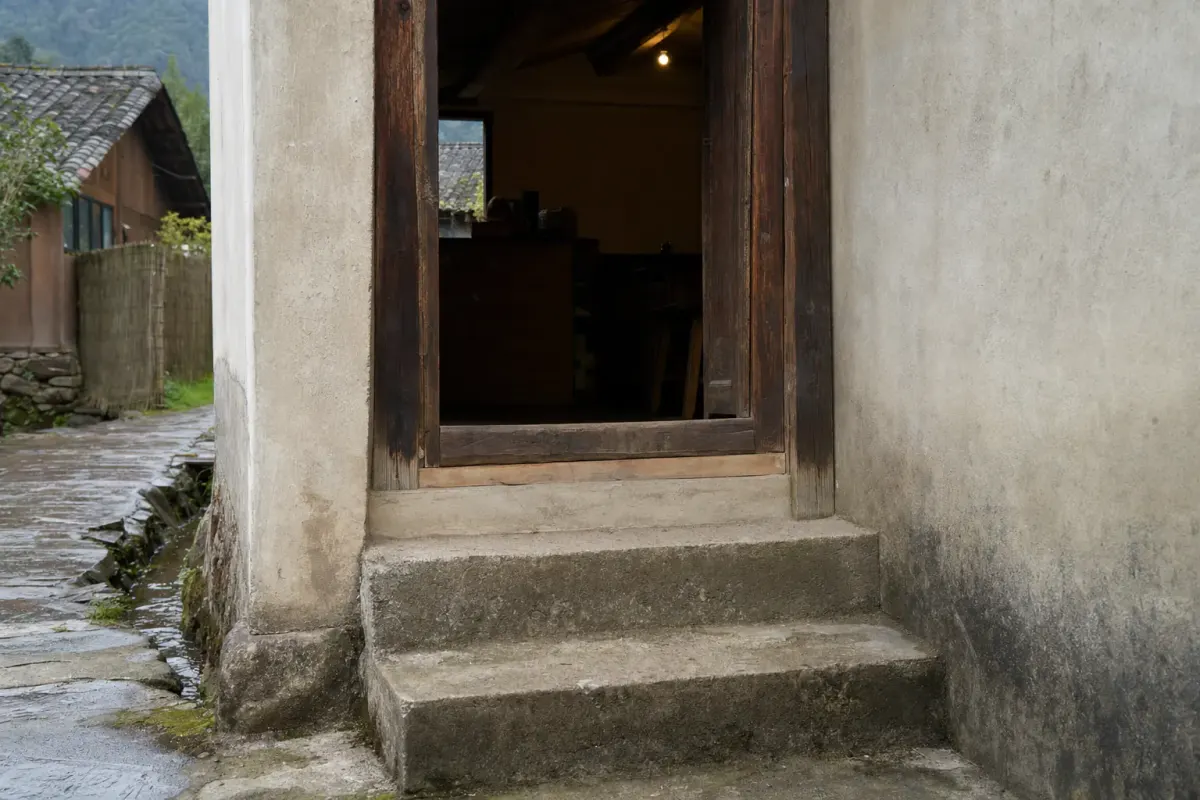
About 1,000 places to sleep sit around the foot of this mountain, roughly 80 percent individually owned. Most are converted village houses, a smaller number conversions of the 250 or so historic stone villas built into the slope from the 1890s onward. A converted period building is rarely level at the door.
Wukang, the county seat 20 km off the mountain, is the fallback everyone else has. The Crowne Plaza Deqing Moganshan there runs about 340 rooms, and a purpose-built hotel of that size has better odds of level entry than a farmhouse conversion.
Property stock, ownership share, villa numbers and the Wukang hotel, BeyondBorder Group Ltd primary research, 1 to 5 August 2026.
So the property has to be interrogated one at a time, and the wording matters. Message before you pay, not after. Keep it short, because most of these houses will run your message through a translation app, and ask for measurements, not categories.
| Send exactly this | What a vague answer means |
|---|---|
| How many steps from where a car stops to your front door? | “Only a few” means nobody counted them |
| Is there a bedroom on the ground floor, with no steps to the door? | Anything other than yes is a no |
| How wide is the bathroom door, in centimeters? | A house that has measured has thought about this before. One that has not says the bathroom is big |
| Do you step over anything to get into the shower? | “A normal shower” says nothing about the tray lip |
| Can a car reach your door? If not, how far is the walk, in meters? | An answer that skips the distance means it is longer than you want |
| Which transfer center serves you, and can someone meet us there? | They field this one weekly. A fluent answer means the rest are worth trusting |
| Do you cook dinner at the property? | Book it for the arrival night. Most villages have no second option after dark |
Then ask for two photographs: the entrance seen from the road, and the bathroom. A picture settles in ten seconds what messages will not settle at all, and it arrives while the booking can still be changed. Where to stay covers the choice on every other ground.
With a stroller, which is a different problem
Start with what makes it easier, because something on this page should be. A stroller folds, and the passenger can be carried. That is the whole of why it is the easier problem.
Steps here cost you effort rather than access. You will meet plenty, on the lanes and at guesthouse doors, so a soft carrier is the more useful thing to pack, and the stroller is best left in the room or the car.
The transfer window shuts at 18:00, which sets the outside edge of any afternoon that includes a nap. Work backwards from that, not from the light.
Tell us what you found
If you have been, tell us what came, whether you got on it, and what it cost you in effort. Say what you saw rather than what you were told. One accurate report from a reader is worth more here than anything published about this mountain in English.
Rail times, shuttle timings and transfer center hours last checked 5 August 2026. Terrain and boarding arrangements change with the season and the operator, so confirm with your property before you travel, and nothing on this page should be read as a promise that a route will work for you.
Last checked 9 August 2026 by Cyril Drouin. Prices, timetables and entry rules on this mountain move without notice, so confirm anything you are booking around.
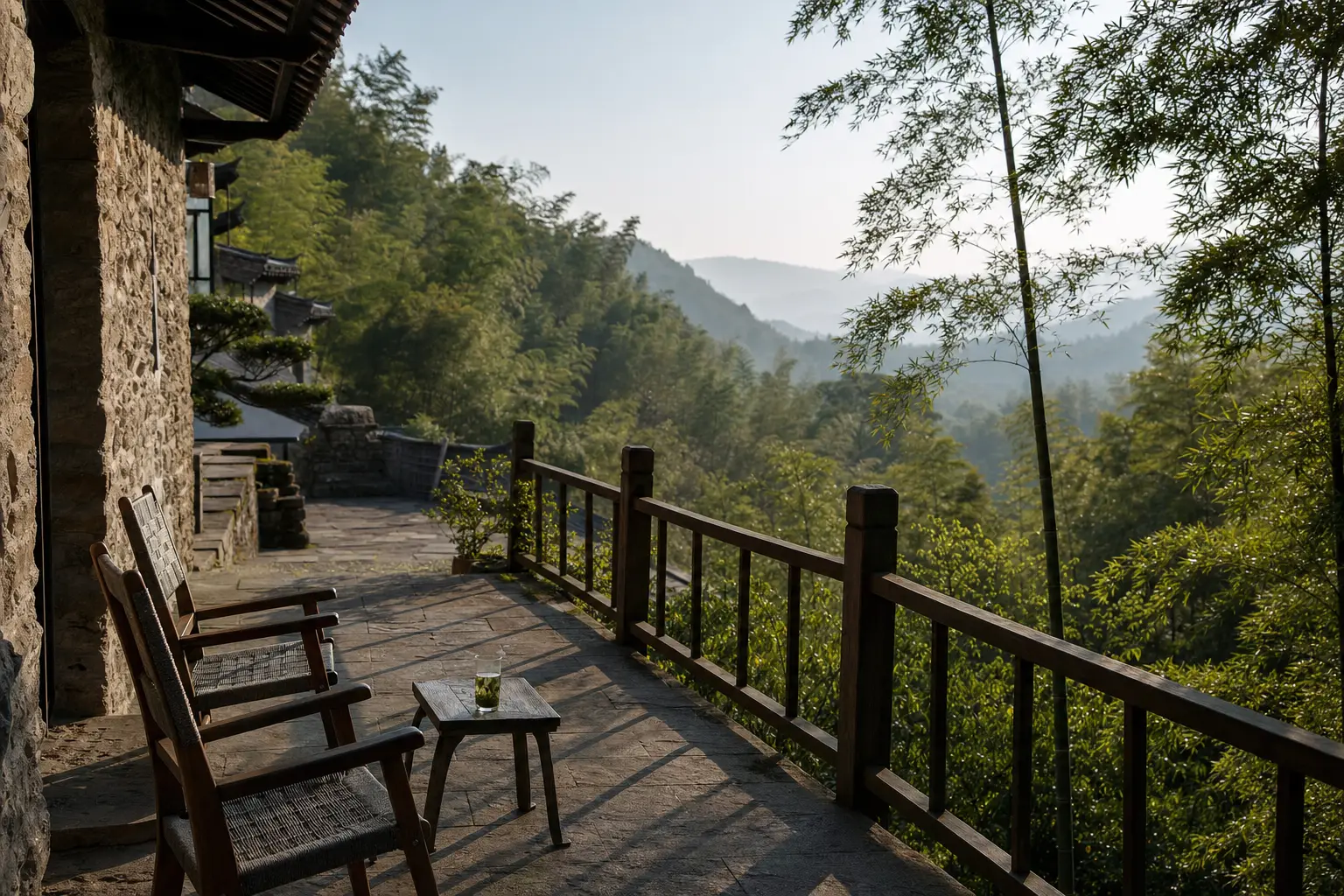
Photographs on this site are representative illustrations, not documentary images of the specific building, property or service described.