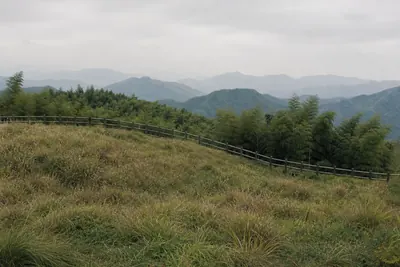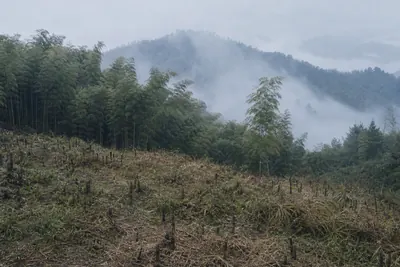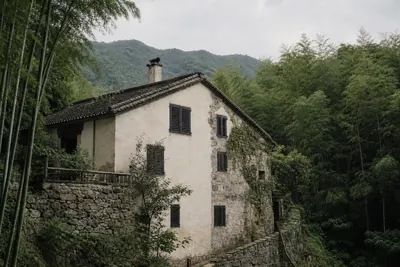
Moganshan is a mountain in Deqing County, in Huzhou prefecture, Zhejiang Province, about 60 km north of Hangzhou and 200 to 240 km from Shanghai. It is not Moganshan Road, the M50 art district in Shanghai, which sits roughly 200 km away and takes over the search results whenever you type the name.
The mountain has about 1,000 places to sleep. Almost none of them are hotels in the sense you are used to. They are minsu, and for a lot of international visitors that one unfamiliar word is the reason the booking never gets made.
So what is a minsu?
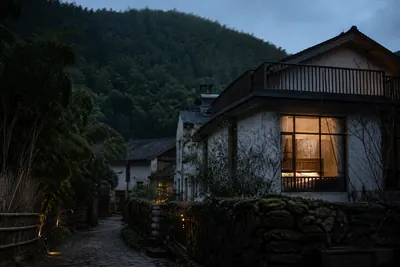
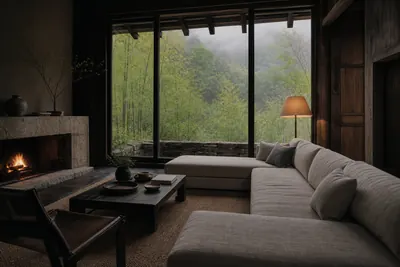
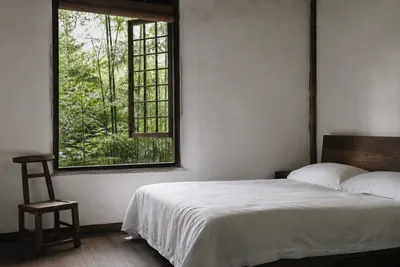
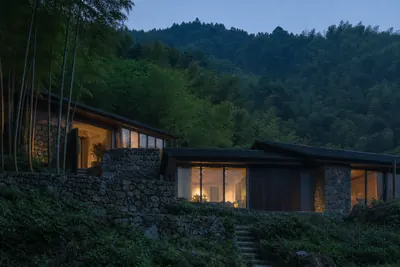
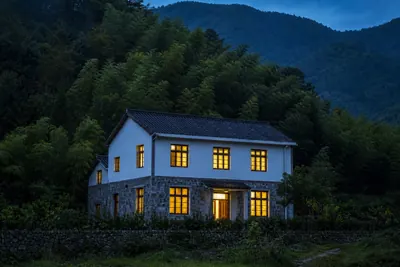
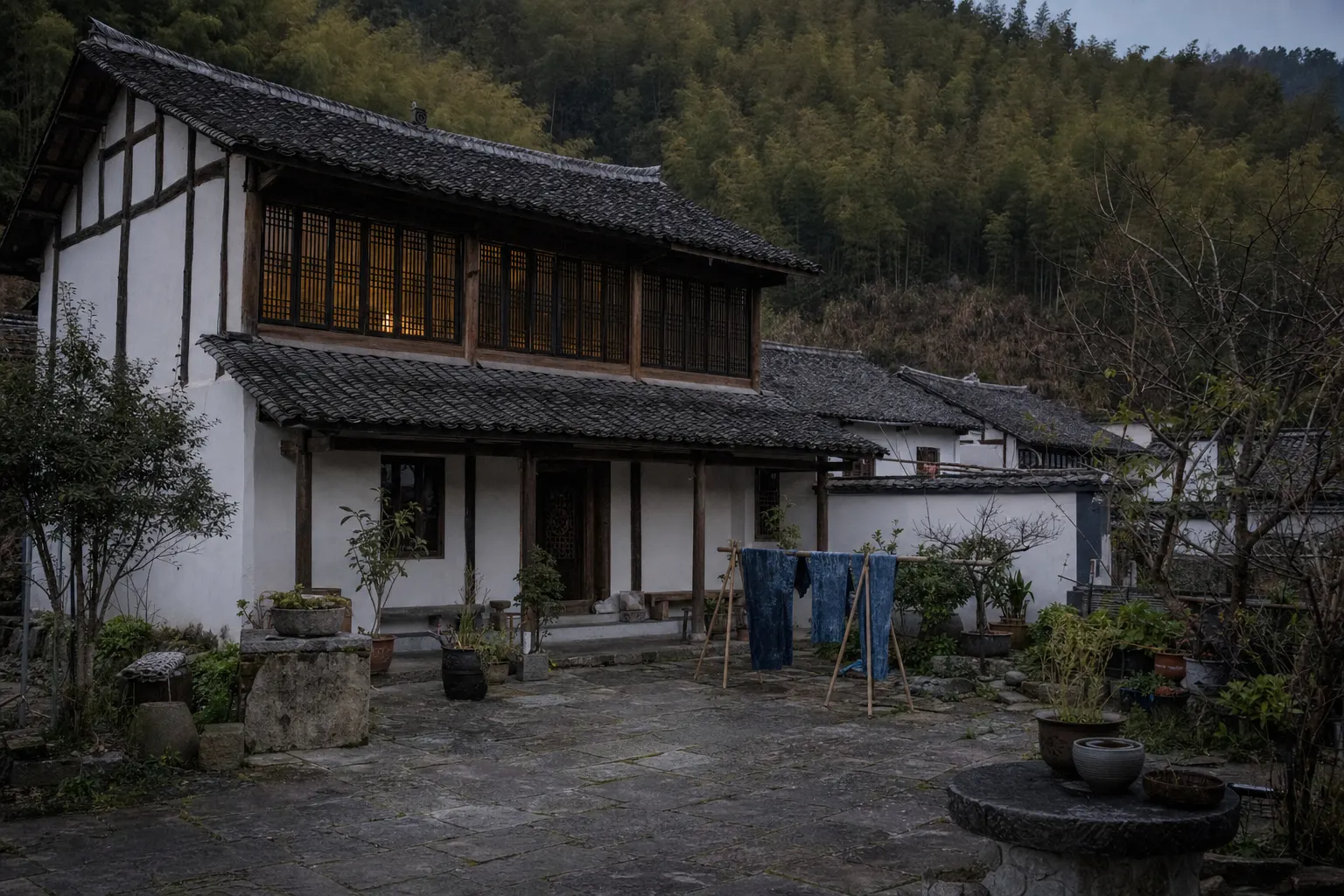
A minsu (民宿) is a small guesthouse, usually owned and run by the family behind it. The word is used across China. On Moganshan it normally means a village house converted room by room, with the owner or a live-in manager on the property rather than a front desk and a duty roster.
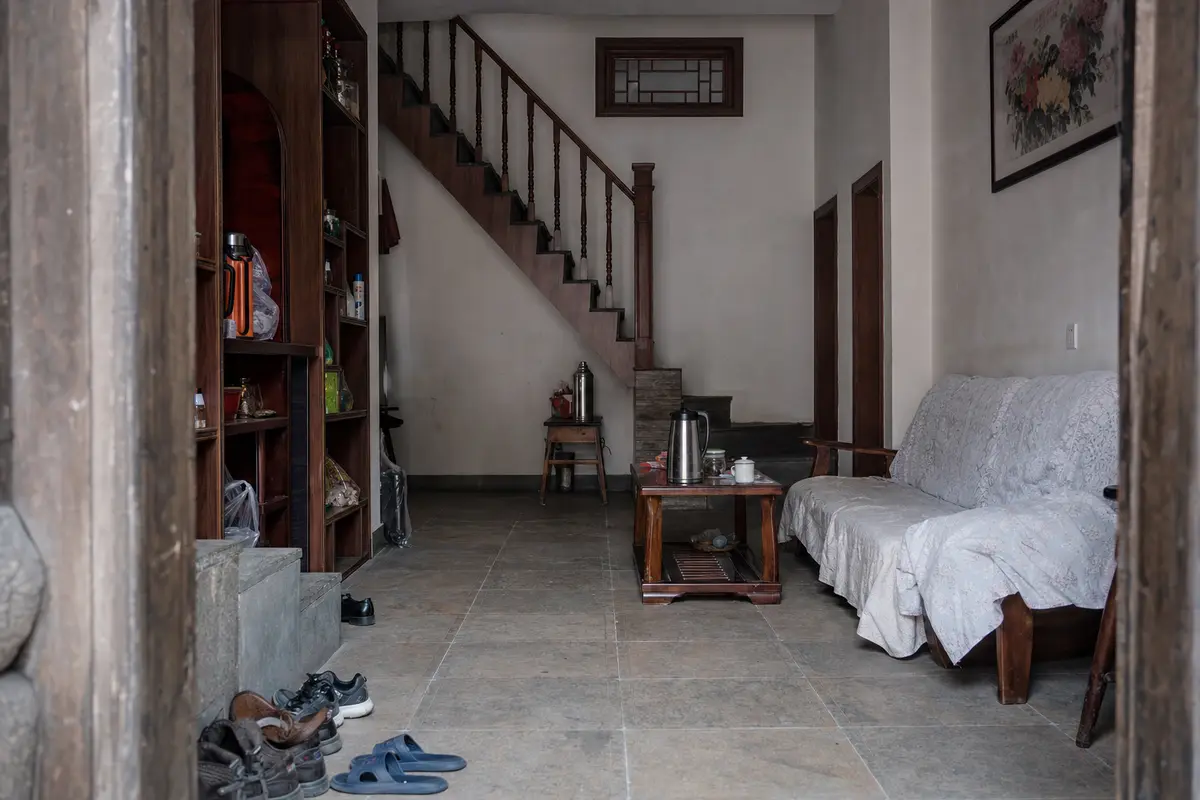
The scale is easy to work out from local numbers. Spread roughly 10,000 beds over about 1,000 properties and the average comes out near ten beds each. Compare that with the Crowne Plaza Deqing Moganshan, which has about 340 rooms and sits down in Wukang town rather than on the mountain at all.
Ownership follows the same pattern. About 80 percent of properties are individually owned. In Xiantan, the densest guesthouse village on the mountain, about 135 minsu serve a village of under 2,000 people, and roughly 90 percent of them are run by locals.
Property counts, bed capacity and ownership share, BeyondBorder Group Ltd primary research, 1 to 5 August 2026.
That is the difference in one line. A hotel is a company with a building. A minsu is usually a household with spare rooms, and the person who checks you in may also be the person who bought the mattress.
And a yangjiale?
Yangjiale (洋家乐) is a second word you will meet here and almost nowhere else in China. It means something close to “foreigner’s farmstay”, and it describes the guesthouses that foreign owners opened on this mountain.
The first was naked Home Village at Sanjiuwu village, started in 2007 by Grant Horsfield, a South African. Operators from France, the UK, Belgium, Denmark, the Netherlands, South Korea and Russia followed him. Investors in Moganshan guesthouses now come from 18 countries.
In practice a yangjiale is still a minsu. The label just tells you where the design ideas came from.
How one guesthouse became a thousand
| Year | Properties on the mountain |
|---|---|
| 2002 | 1 |
| 2013 | 70 |
| 2014 | about 200 |
| 2015 | 400+ |
| 2016 | 550+ |
| 2018 | 700+, about 10,000 beds |
| 2024 | 800+ |
| March 2025 | 850+, 10,000+ beds |
| September 2025 | about 1,000 |
The local government capped bed capacity at about 10,000 in late 2017 and made approvals harder to get. Actual stock has drifted past the cap since.
Two decades of that curve explain most of what you will notice on the ground. Some properties are twenty years into the trade. Others opened last spring because the neighbors did.
What the price bands actually buy
| Band | Rate | What it means |
|---|---|---|
| Mid-range, off season | RMB 300 to 500 a night | A converted village house, small and clean, run by the family who owns it. The normal Moganshan homestay. |
| Mid-range, peak weekend or holiday | RMB 1,000+ | The same room. Golden Weeks and summer weekends move the number, not the product. |
| High end | RMB 1,500+ | The threshold the local trade itself uses. Design-led builds on larger sites, with fuller service. |
| Group-owned upper tier | about RMB 1,300 average | The 28 properties and 556 rooms Trip.com bought into in March 2025. |
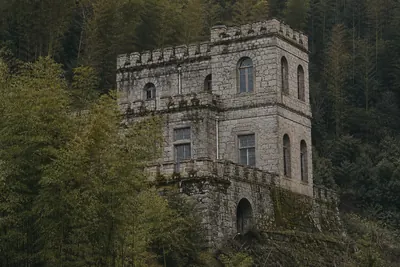
| Resort brands | about USD 291 to 524 | naked Stables and naked Castle sit in this band. |
Rate bands, occupancy and the Trip.com acquisition of 67.04 percent of Dalezhiye, BeyondBorder Group Ltd primary research, 1 to 5 August 2026.
Rooms priced above RMB 1,500 grew 42 percent year on year, which tells you where owners think the money is. It does not tell you the RMB 400 room is bad. Off season, midweek, that band is the reason people come back.
The best hotels and guesthouses guide covers named properties. Where to stay starts with the trade-off between village and mountain instead.
Breakfast, dinner, and the 8 pm problem
Breakfast comes first in most people’s questions. It is set property by property here, with no local standard we can point to, so put it in your booking message rather than assume it.
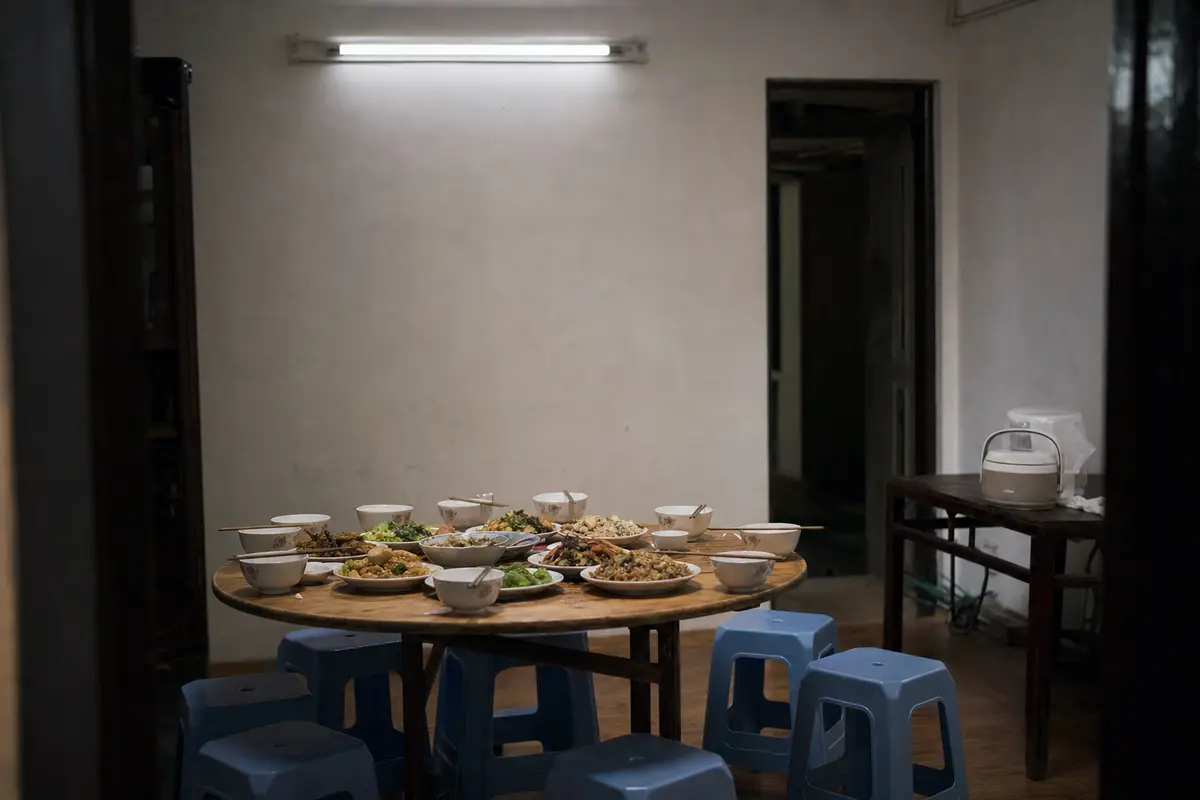
Dinner is the one that matters more, and the reason is structural. Chinese reporting on the sector is blunt about it: the villages have no evening economy. No night market. Very little late food.
So if you arrive at seven, drop your bags and go looking for somewhere to eat, you may not find it. Yucun (庾村) is the main hub at the foot of the mountain and has a square, a market and restaurants. The smaller villages do not.
The fix is dull and it works. Ask whether the property serves dinner, and book it for the night you arrive. The villages guide sets out which ones have anything open after dark.
Will they take a foreign guest?
This is the real hesitation, and it deserves a straight answer.
For years, some Chinese properties turned away foreign guests, saying they were not licensed to receive them. That is what the rule change targeted.
Joint directive on hotel accommodation for foreign guests, Ministry of Public Security, Ministry of Commerce and National Immigration Administration, 24 May 2024.
The directive bars hotels from refusing foreign guests for lack of a licence. It is national, and it applies here.
Refusals are still reported in practice. That is the honest position: the rule is clear, enforcement is uneven, and a small family guesthouse in a mountain village is exactly the kind of place where the old habit survives.
What follows from that is not fear, it is one extra message. Before you pay, write to the property and say you are a foreign passport holder and ask them to confirm they can register you. A property used to foreign guests answers that in a sentence. A property that goes quiet has told you something too.
English, check-in and paying
Nobody publishes a survey of English levels here, so read the ownership picture instead. Around 80 percent of properties are individually owned, and in Xiantan about 90 percent are locally run. The foreign-founded yangjiale and the design-led high end are your best odds of fluent English at the door. A family house in a village of 2,000 people is not.

Translation apps carry most of this. Photos of your booking screen carry the rest.
On payment, the ground has shifted in your favor. Foreign bank cards can be linked to Alipay and WeChat Pay, and have been since 2023. Inbound visitors spent about RMB 80 billion through mobile payment in 2025. Set both up before you land, because a village guesthouse may not take a foreign card directly. Money and payments walks through it.
Bring your passport for check-in. It is what the registration the directive talks about is based on.
The parts nobody advertises
Occupancy on this mountain ran around 70 percent before 2021. In 2024 it was about 55 percent. The high-end segment held up better, at 68 percent in 2025.
Payback periods stretched from three to five years out to five to eight. Labor eats 30 to 40 percent of revenue.
None of that is your problem directly. It becomes your problem in one way. Quality varies enormously, because many owners built into a boom that has since cooled, and no rating system holds the middle of the market to a standard. Read recent reviews. Look at photographs of the room, not the terrace.
One more warning, about arrival. Private vehicles cannot drive inside the scenic area, so you change at a transfer center. Getting around covers it, and it is worth reading before you book a bed you cannot easily reach.
Rates, occupancy figures and property counts last checked 5 August 2026. Prices move sharply between weekday and weekend, so confirm the night you actually want before you plan around a number.
Last checked 9 August 2026 by Echo Peng. Prices, timetables and entry rules on this mountain move without notice, so confirm anything you are booking around.
Photographs on this site are representative illustrations, not documentary images of the specific building, property or service described.