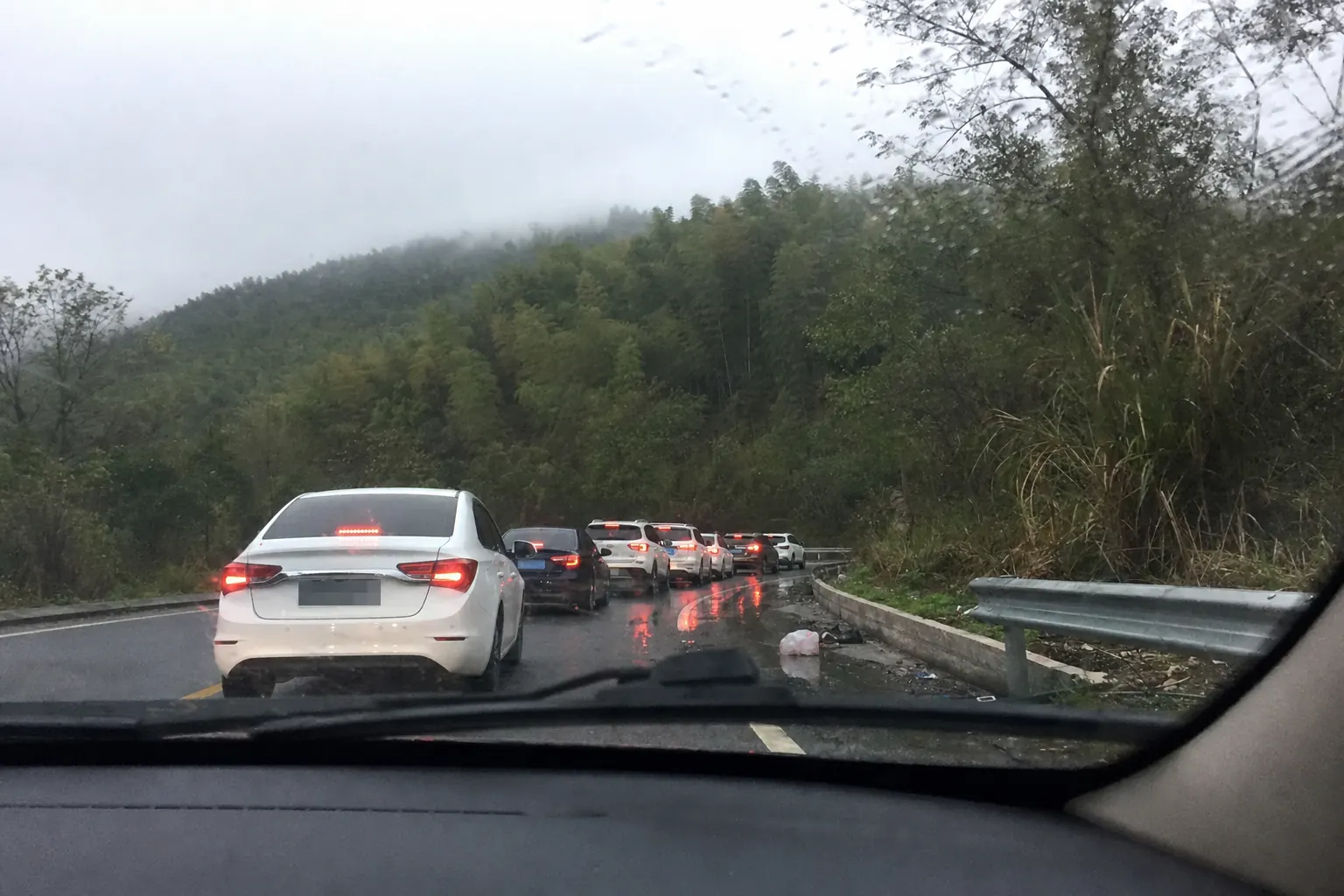
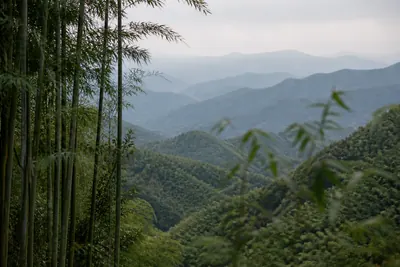
Where a mountain is and how high it stands set its calendar. Moganshan is in Deqing County, part of Huzhou prefecture, Zhejiang Province, China, about 60 km north of Hangzhou and 200 to 240 km from Shanghai, and its main peak, Tashan, tops out at 719 to 720 meters. (Moganshan Road, the Shanghai art district, is a different place.)
Those numbers do the work. The annual mean is 13.3 °C. July and August average 24.1 °C, which is 6 to 7 °C below Shanghai and Hangzhou. January averages 1.4 °C. That is a swing of about 23 degrees, and the crowd swings much harder.
The argument here is simple. Summer is the season Moganshan was invented for, and it is still when most Chinese visitors come. Traveling from abroad, you are probably not tied to those dates, and the shoulder months hand you a better mountain for less. For temperature detail see Moganshan weather; for a recommendation on your dates see the best time to visit.
The four seasons at a glance
| Season | What it feels like | Crowds | Mid-range room, per night |
|---|---|---|---|
| Spring, Mar to May | Cool, then mild. Bamboo shoots on every menu | Low, then extreme in the first week of May | RMB 300 to 500, past RMB 1,000 for the holiday |
| Summer, Jun to Aug | Mean 24.1 °C, humid, misty, full leaf | Very high in July and August | RMB 1,000 or more, sold out months ahead |
| Autumn, Sep to Nov | Mild, with the clearest air of the year | Extreme in the first week of October, low by November | Peak in October, near RMB 300 to 500 by late November |
| Winter, Dec to Feb | Cold and very quiet. Some closures | Very low | The low end of RMB 300 to 500 |
Temperature means and mid-range room rates, BeyondBorder Group Ltd primary research, 1 to 5 August 2026.
The crowd column is our estimate, not a gate count. For scale, Moganshan Town recorded 2.60 million visitors in 2018 and 2.52 million in 2021, very unevenly spread. Rates shown are mid-range; the high-end tier starts near RMB 1,500, and where to stay has the rest.
Scenic-area tickets are separate, and the two published ranges do not agree.
| Published range | In season | Winter |
|---|---|---|
| Higher figures | RMB 120 online, RMB 130 at the gate | Half price, so about RMB 60 to 65 |
| Lower figures | RMB 80 at peak | RMB 50 off-season |
Budget for the higher line. Checked 5 August 2026.
Why summer, and why it stuck
Moganshan was built as a summer resort by people running from the heat. American Protestant missionaries wanted somewhere cool enough to survive a Shanghai August, and E. N. Fletcher, an American Northern Baptist, is credited with finding the mountain between 1891 and 1894. Villas followed from 1896 to 1898, and by 1910 about 300 foreigners had summer homes on the ridge. The hill station page covers what they built.
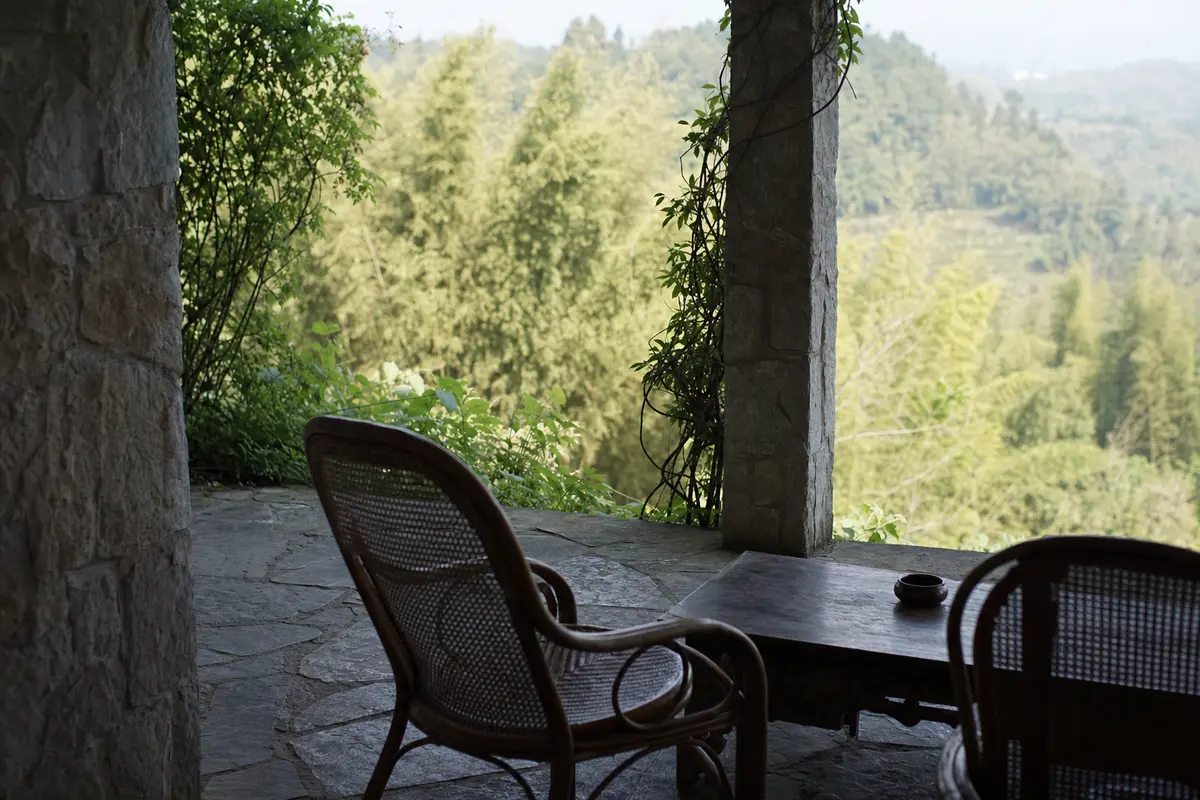
That logic still runs the calendar. July and August are the core season because those are the months the temperature gap earns its keep, and because Chinese school holidays fall inside them.
Spring, March to May
| Month | On the mountain | Mid-range room |
|---|---|---|
| March | The tail of winter with better light. Cool, often wet, quiet enough that a midweek path is yours alone | RMB 300 to 500 |
| April | The month spring delivers. Comfortable to walk from morning to dusk | RMB 300 to 500 |
| May | Warm, then busy, in that order. Week one is the May Day holiday, when high-end occupancy has run as high as 94 percent | Past RMB 1,000 in week one |
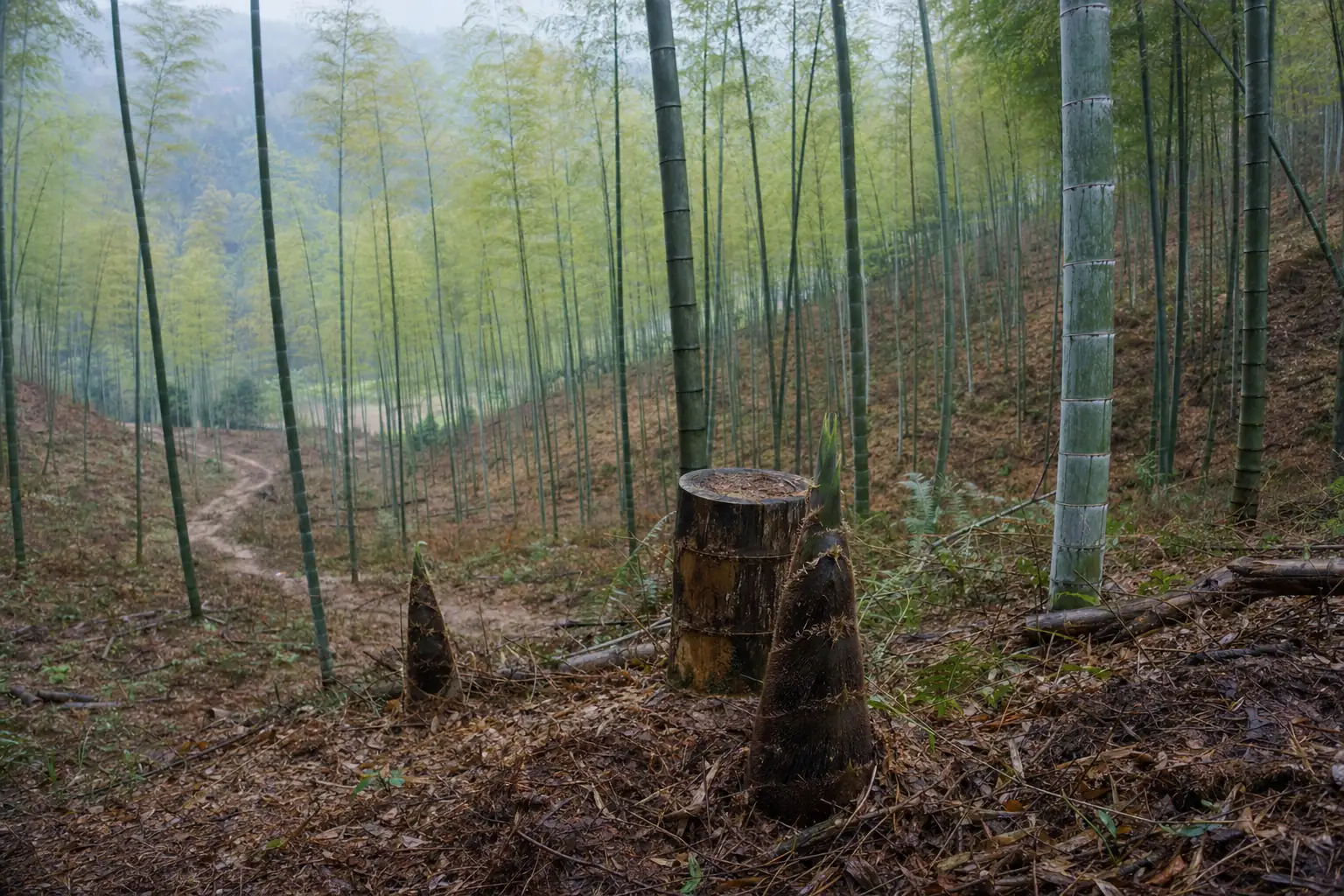
Spring is also the food season. Moganshan is over 92 percent forest, almost all of it moso bamboo grown and cut as a commercial crop, and spring is when the shoots come up and go onto local menus. Guesthouse kitchens make a point of it. The bamboo forest also photographs better now than under summer haze.
Late March and April sit at off-season rates, roughly RMB 300 to 500 for a mid-range room, which is the best value on the calendar outside winter. Spring suits walkers and anyone who came for the food, and it makes a good first visit. Spring in Moganshan takes the three months one at a time, and names the week that undoes them.
Summer, June to August
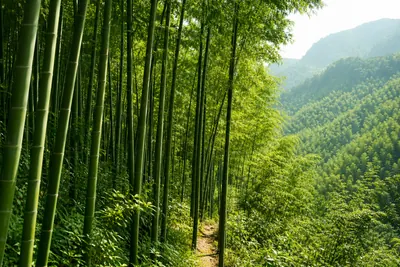
24.1 °C is mild, not cold. Afternoons in direct sun are warm and sticky, and you will sweat walking uphill at two. The gain shows up after dark, when the cities are still giving back the day’s heat and the ridge is not. Mist is common, and it takes the view off the Xuguang sunrise platform more often than the photographs let on.
- June gets overlooked. The heat has arrived and the school holidays have not, which is the argument for it.
- July and August are the core domestic season. Guesthouses sell out months ahead and mid-range rooms clear RMB 1,000.
- The weekend spike lands on an already full week. Mondays are the quiet exception.
Summer works for families tied to Chinese school terms. With open dates, it is the wrong choice. Summer in Moganshan has the heat, the mist and the sold-out weeks in full.
Autumn, September to November
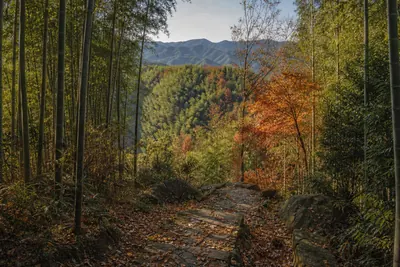
September cools off week by week, and October is mild and often clear. November is crisp, and hard to beat for walking.
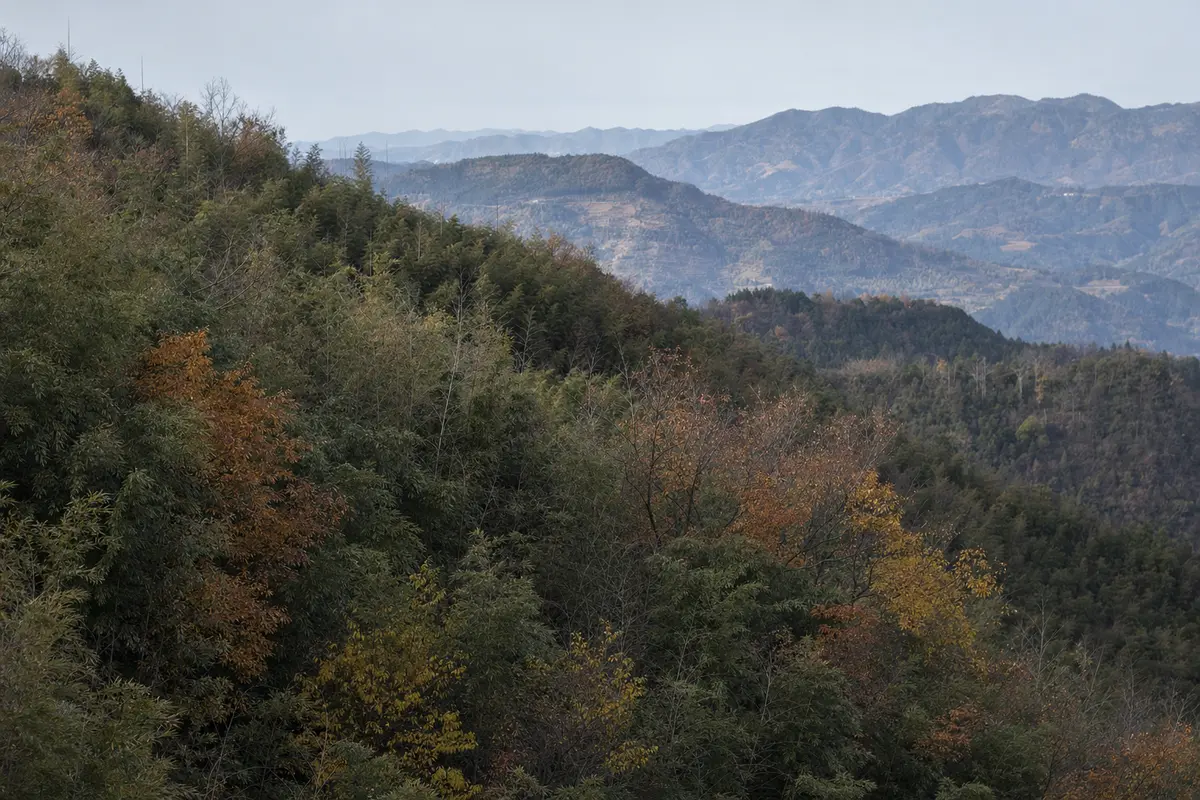
Autumn earns the recommendation on visibility. Summer mist and spring rain both cost you the ridge view, and late autumn is when the air clears. Operators promote it as a shoulder season, which tells you they know summer is oversubscribed.
The crowd shape is lopsided. The first week of October is National Day, the hardest week on the calendar. After it the numbers fall away, and by November a weekday walk can run an hour without meeting anybody. Prices slide back toward the off-season band. For an international trip, this is the season. Autumn in Moganshan makes the case at length.
Winter, December to February
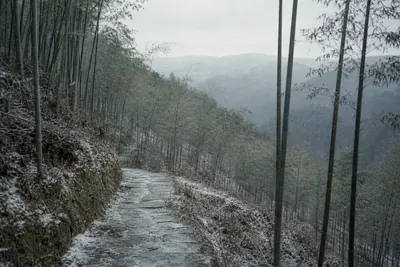
Winter usually gets softened elsewhere. January averages 1.4 °C. One source puts it nearer 3.5 °C, so call it close to freezing and pack for the colder figure.
The villages go quiet. Restaurants and sites cut their hours or shut for the season, and there is no evening economy here even in August, no night market and little late food. In January that is hard to miss. Nobody publishes a list of what shuts, so ask your guesthouse before counting on anything.
Daylight is the constraint people miss. Private cars cannot drive inside the scenic area, so you transfer at Yucun, Fatou or Houwu between 08:00 and 18:00. In December the light gives out well before the gate does.
The trade is still a good one.
| What winter costs you | What it gives you |
|---|---|
| Cold, near freezing in January | Scenic-area tickets at half price |
| Short hours and some closures | Rooms at the bottom of their range |
| Short daylight against an 18:00 transfer | Paths to yourself |
Come in winter if you want quiet more than comfort. Do not come expecting a village that is still awake at nine. Winter in Moganshan covers the closures, the half-price ticket and the light.
The two Golden Weeks
Two weeks of the year sit outside every pattern above. China has week-long public holidays from 1 May and from 1 October, called Golden Weeks, and they are the two dates most likely to spoil a Moganshan trip.
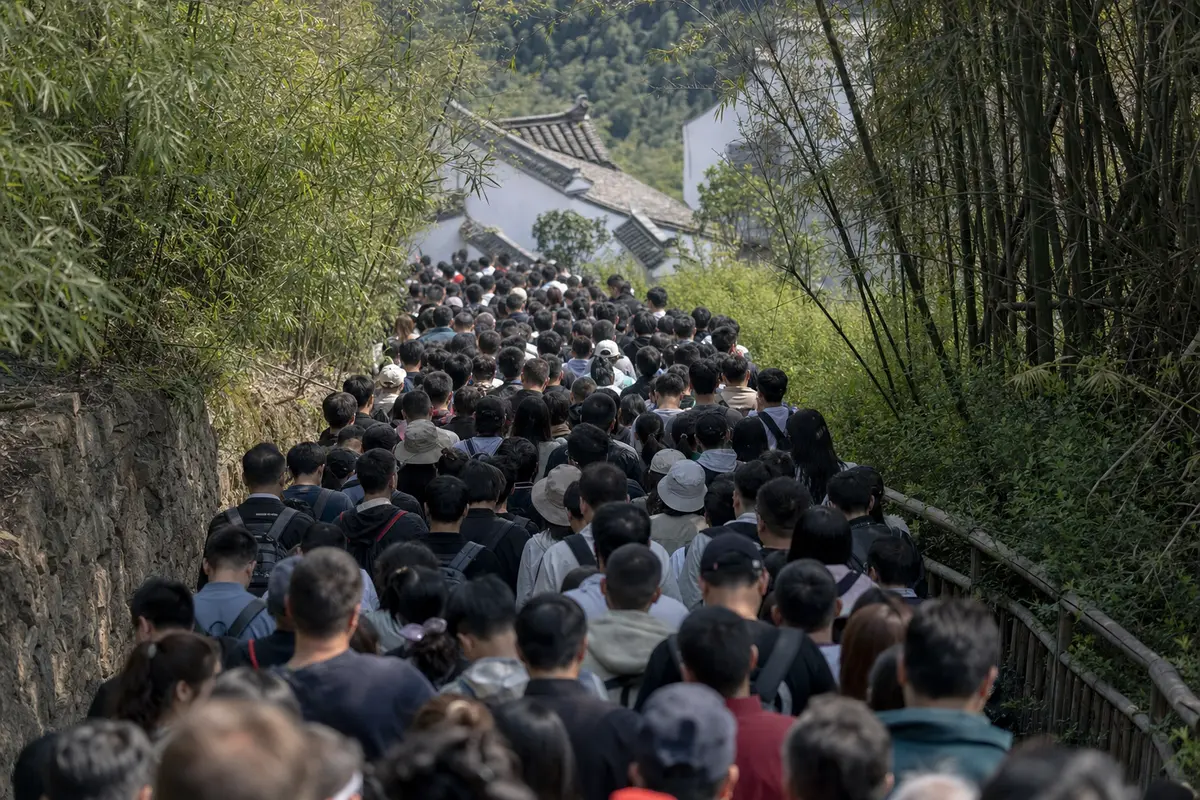
The scale shows up against a normal year. Guesthouse occupancy across the destination ran about 70 percent before 2021 and about 55 percent in 2024, with the high-end segment at 68 percent in 2025.
| Holiday | What the figures show |
|---|---|
| May Day 2024 | High-end guesthouse occupancy reached 94 percent |
| National Day 2025 | Daily footfall in Yucun ran 30 to 40 percent above normal |
| May Day 2026 | Deqing County received 2.30 million visitors, up 7.76 percent, with about 130,000 registered hotel and guesthouse check-ins |
Holiday occupancy and visitor figures, BeyondBorder Group Ltd primary research, 1 to 5 August 2026.
Yucun is the main village at the foot of the mountain, and the busiest gateway, so its footfall is the number to watch. Everybody going up passes through a transfer center, which is where holiday pressure lands first.
If your dates can move, move them. If not, book months out and go up early.
Picking your season
The domestic answer has been summer since the 1890s, and for the people giving it, it works. Your situation is different.
| What you want | When to go |
|---|---|
| Walking, clear views, low prices | Late October and November |
| Bamboo shoots and spring food | Late March and April |
| The cool air the place was built on | June, or July and August if you must |
| The mountain to yourself, cheaply | December to February |
| To avoid the worst of it | Never the first week of May or October |
Choose the weekday before the month. Things to do shows whether the shoulder-season mountain holds enough for your trip, and the best time to visit turns all this into one recommendation.
Last checked 8 August 2026 by Liyan Ye. Prices, timetables and entry rules on this mountain move without notice, so confirm anything you are booking around.
Photographs on this site are representative illustrations, not documentary images of the specific building, property or service described.