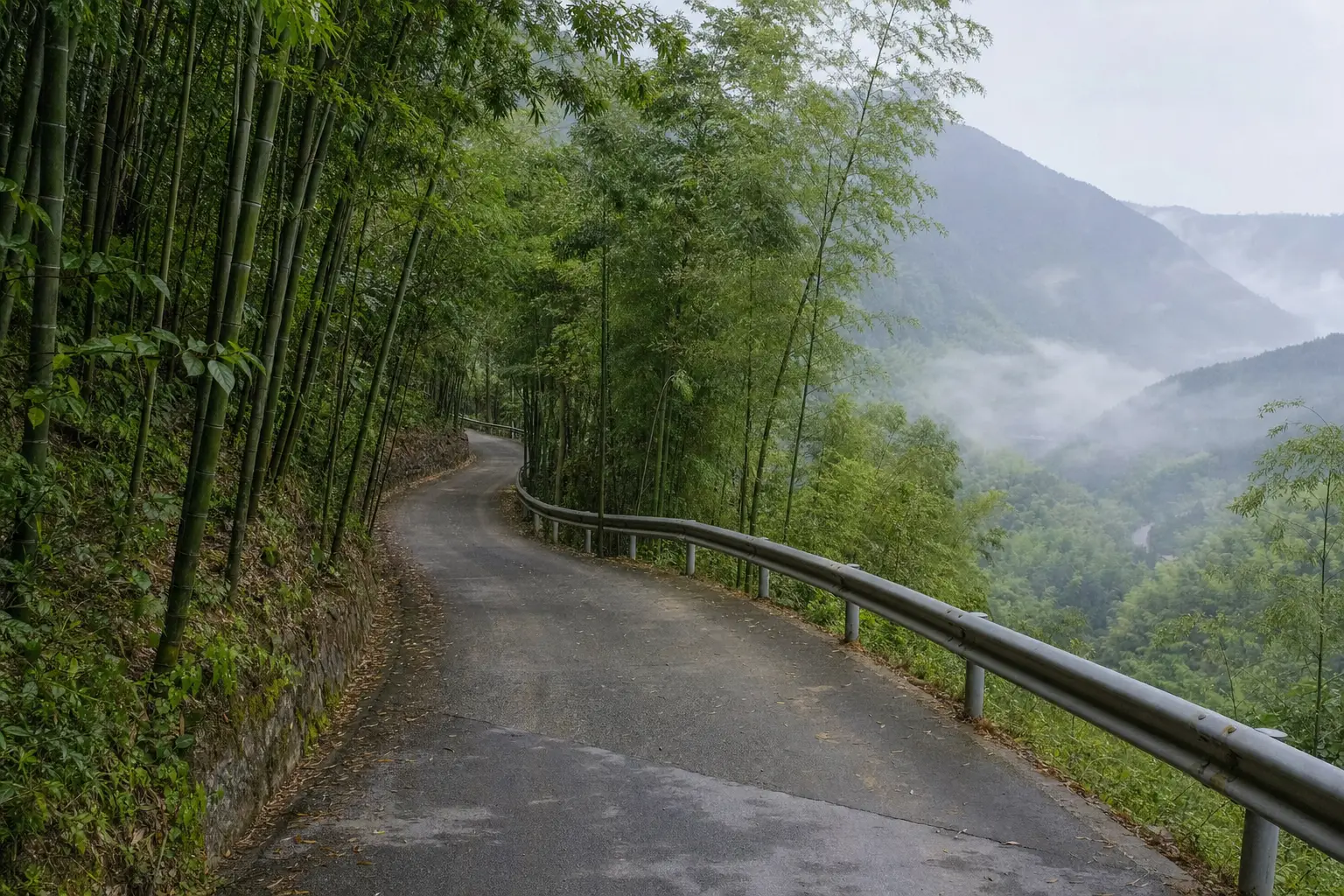
Moganshan is a mountain in Deqing County, in Huzhou prefecture, Zhejiang Province. It sits about 60 km north of Hangzhou and roughly 200 to 240 km from Shanghai. One quick note before the search results confuse you: Moganshan Road is the M50 art district in Putuo District, Shanghai. Different place, about 200 km away, nothing in common but the name.
Now the question you came here with. Can you go from Shanghai to the mountain and back in one day?
Yes. People do it every weekend. But the day is shorter than almost anyone tells you, and the reason is not the train.
Do the arithmetic first
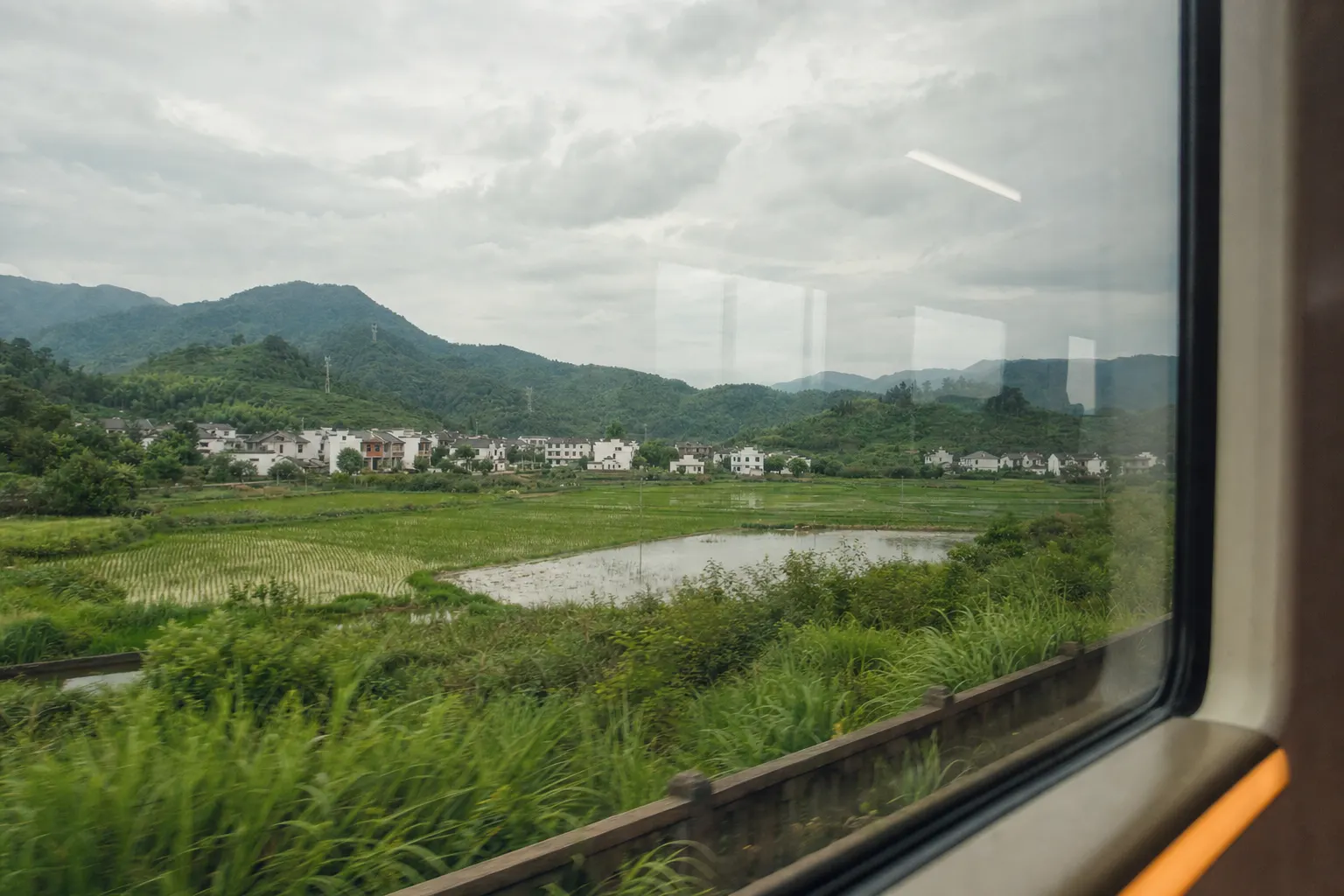
From central Shanghai, door to door to Moganshan is 2 hours 45 minutes to 3 hours 30 minutes by rail. That is our estimate, and it already includes getting to Hongqiao, the 63 to 80 minute train to Deqing, and the road transfer of 30 to 40 minutes at the far end.
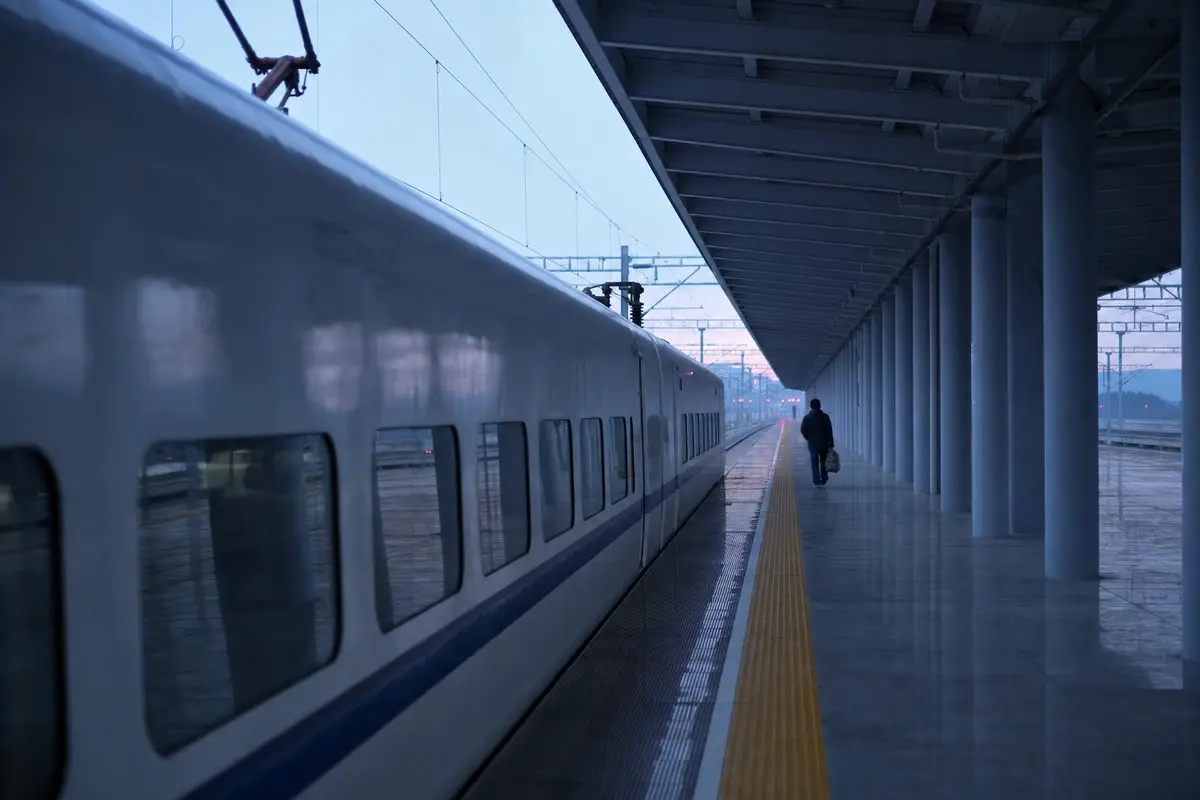
Double it for the return. You are looking at 5 hours 30 minutes to 7 hours of moving.
Put that inside a day running 06:45 to 20:30, about 13 hours 45 minutes. Subtract the travel. What is left is roughly 5 to 6 hours in Deqing County, and that is the optimistic version.
Then subtract lunch. Subtract the walk from the transfer centre to whatever you came to see. You are down to about four hours of actually looking at the place.
Rail times, shuttle departures and transfer-centre hours compiled from primary research, BeyondBorder Group Ltd, Hong Kong, 1 to 5 August 2026.
If you are starting from Pudong instead of central Shanghai, stop reading this page. Door to door from Pudong is 4 hours to 4 hours 45 minutes each way. A day trip from Pudong is not a day trip. It is a nine-hour commute with a sandwich in the middle. The full breakdown is on our Shanghai to Moganshan page.
Two clocks that shorten the day
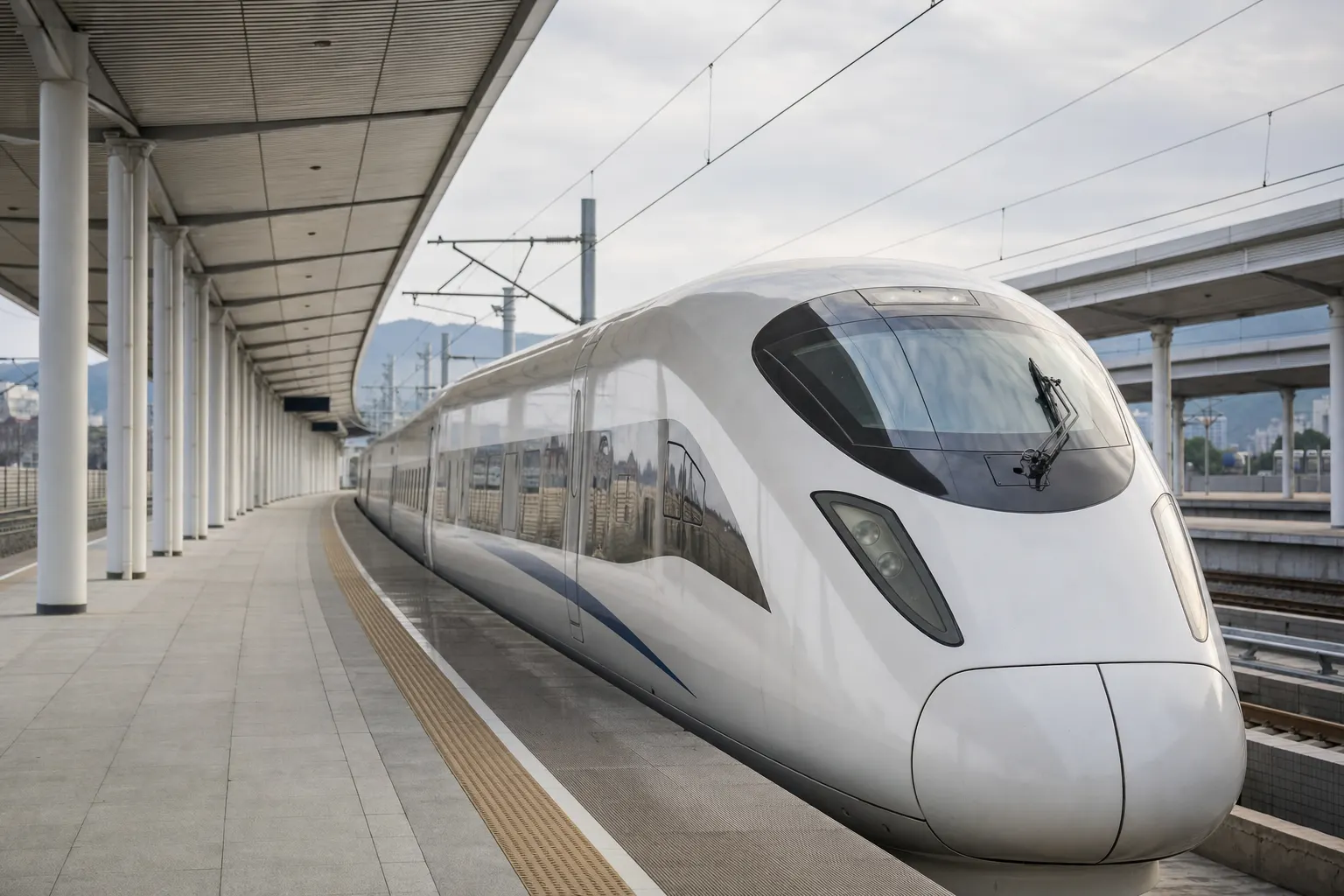
The train timetable is generous. Thirteen direct services a day run from Shanghai Hongqiao to Deqing, so you have choices at both ends.
The two clocks that actually govern your day are local ones.
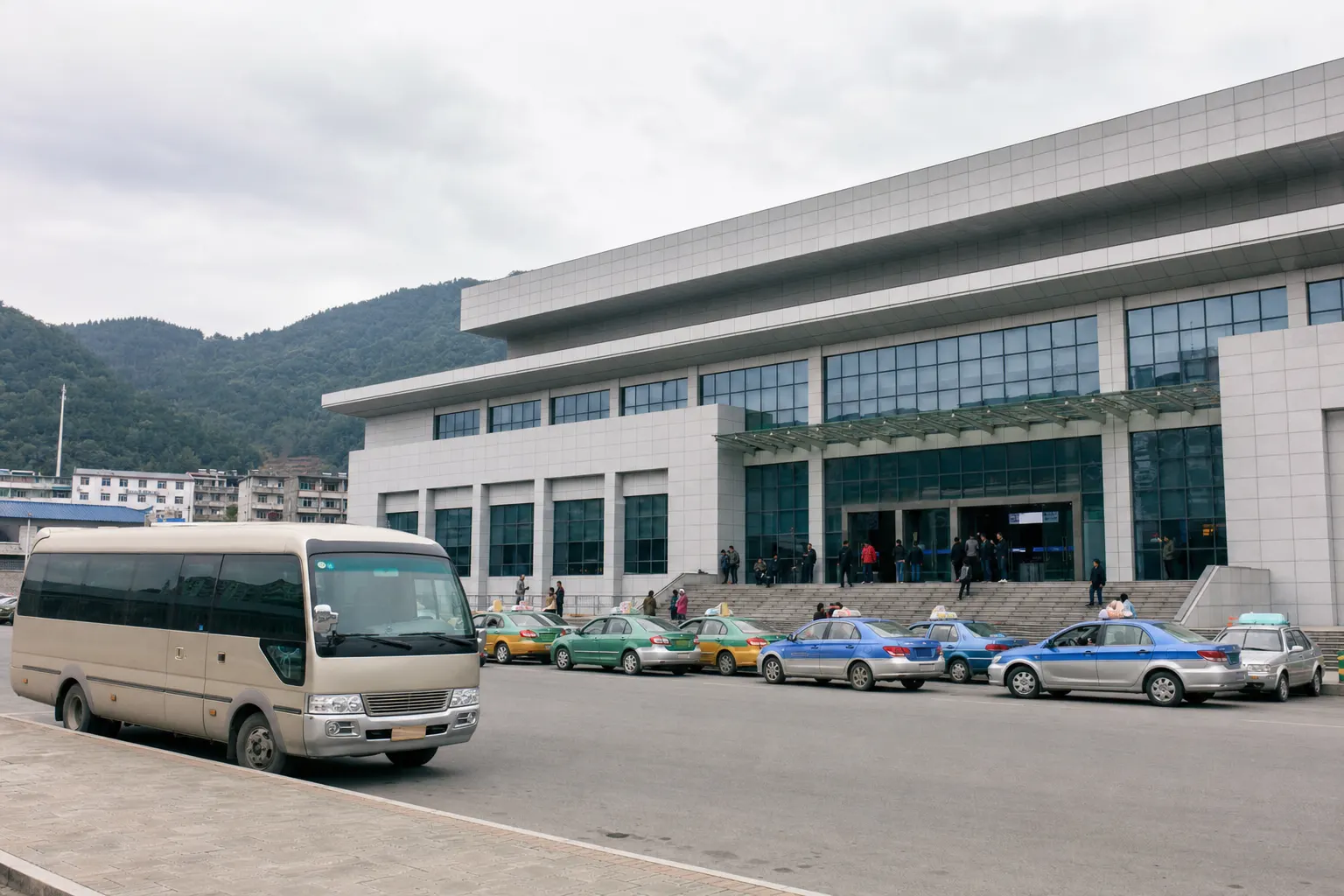
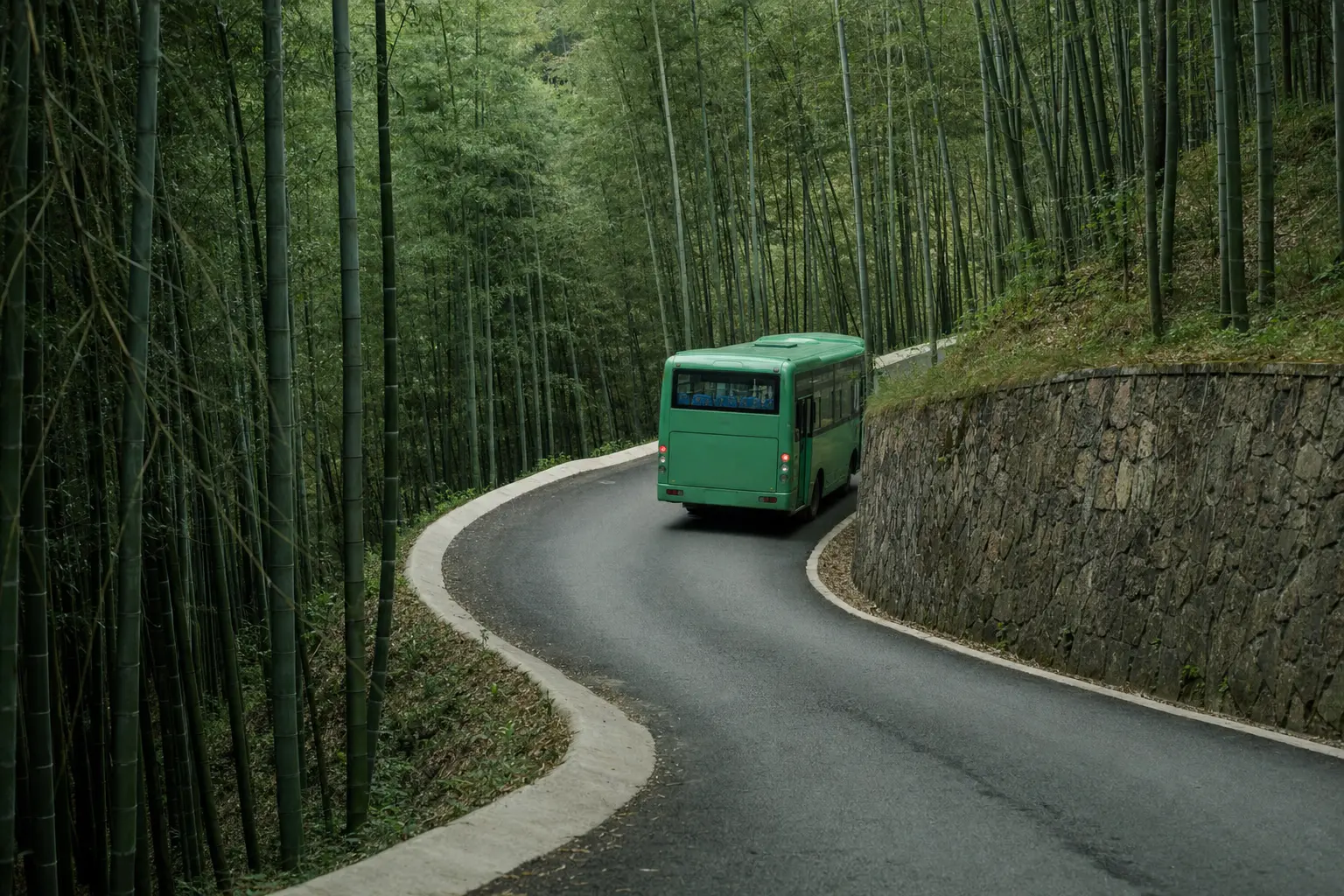
The Y1 shuttle. Seven departures a day from the Deqing Coach Centre, next to the station, at 07:30, 08:40, 09:40, 10:40, 13:00, 15:00 and 16:00. It costs RMB 10 and takes 30 to 40 minutes. Return runs go between 08:40 and 17:00. Note the gap between 10:40 and 13:00. Land in it and you wait, or you pay for a taxi at about RMB 100.
The transfer centres. Private vehicles cannot drive inside the scenic area. Everyone changes vehicles at Yucun, Fatou or Houwu, and those three centres run 08:00 to 18:00. This rule is rarely stated in English-language sources, and it decides your last hour on the mountain more than any train does. There is more on how movement works up there in getting around Moganshan.
Work backwards from 17:00 and 18:00, not forwards from your alarm.
A one-day plan that works
If you are doing it anyway, do it like this. The timings below assume the D377, which leaves Hongqiao at 08:11 and reaches Deqing at 09:19.
| Time | What you are doing |
|---|---|
| 06:45 | Leave central Shanghai for Hongqiao |
| 07:30 | Arrive at Hongqiao. Security queues are long and the station is huge |
| 08:11 | D377 leaves Hongqiao |
| 09:19 | Arrive Deqing |
| 09:40 | Y1 shuttle from the Deqing Coach Centre, or a taxi at about RMB 100 |
| 10:15 | Reach Moganshan town and the transfer centre |
| 10:40 | First block on the mountain: the villa streets and Sword Pond |
| 12:30 | Lunch in Yucun, at the square or near the 1932 culture park |
| 13:30 | Second block: Luhuadang Park, or a bamboo path, or the Bai and Yun Art Museum |
| 15:45 | Start moving back down toward the town |
| 17:00 | Last Y1 return leaves. After this it is a taxi |
| 17:40 | Deqing station |
| 18:30 | Train back to Hongqiao (confirm the last service when you book) |
| 19:45 | Hongqiao |
| 20:30 | Home |
Two warnings on that table. The 15:45 line is not padding. Getting back to the transfer point takes longer than the map suggests, and the centre stops working at 18:00 regardless of where you are standing.
Second, check the last evening service from Deqing back to Hongqiao on a booking app before you leave, and hold a seat on it. Missing it turns a tight day into an unplanned night.
Scenic-area ticket prices vary by source and season. One source gives RMB 120 online and RMB 130 at the gate, another RMB 50 off-season and RMB 80 in peak. Winter tickets are half price. Check at booking rather than trusting any single number, including ours.
What a day trip cannot reach
Four hours buys you the main sights near the road. It does not buy you the two things Moganshan is actually good at.
The first is the villa architecture. About 250 historic villas survive on the mountain, in local stone, built from the 1890s onward by American and British missionary families and later by Chinese owners. In the 1920s there were 154 Western-style villas here, 118 of them foreign-owned. They are spread across the hill and they reward slow walking, not a dash between two of them. Our hill station walking tour is built for a morning, not for a gap between trains.
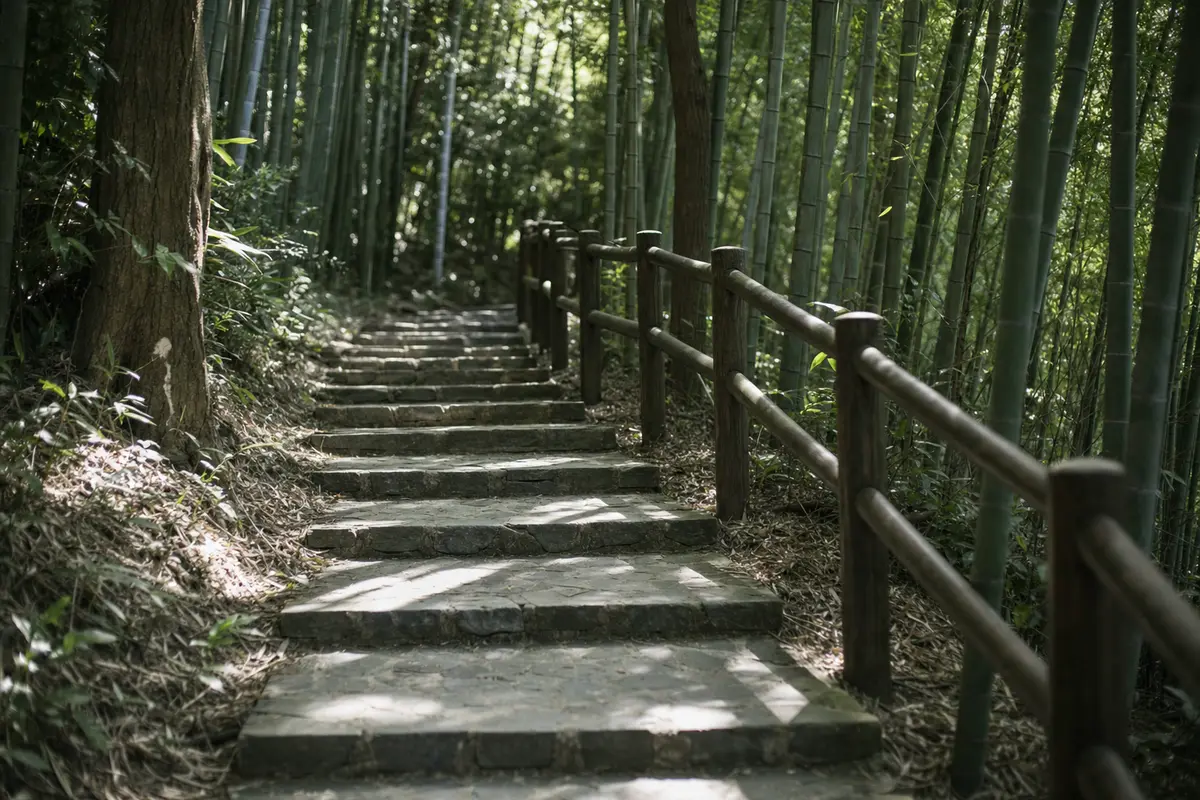
The second is the bamboo. Forest cover is over 92 percent, mostly moso bamboo, and it is a working commercial crop rather than landscaping. The paths are best early, before the day-trip buses arrive and before the light goes flat. See the bamboo forest page for where to walk. A day-tripper arriving at 10:40 has already missed the good hour.
One day versus two nights
| One day | Two nights | |
|---|---|---|
| Travel time | 5h30 to 7h, all in one day | Same total, split across three days |
| Hours on the mountain | About 4 to 5 | About 30 waking hours |
| Early morning in the bamboo | No | Yes, twice |
| Villa walk at walking pace | No | Yes |
| Cost of beds | None | Mid-range off-season RMB 300 to 500 a night. Peak weekends run RMB 1,000 and up |
| Best day of the week | Whichever you have | Sunday to Tuesday. Mondays are notably quiet |
| Main risk | Missing the 17:00 shuttle | Paying peak rates for a Saturday |
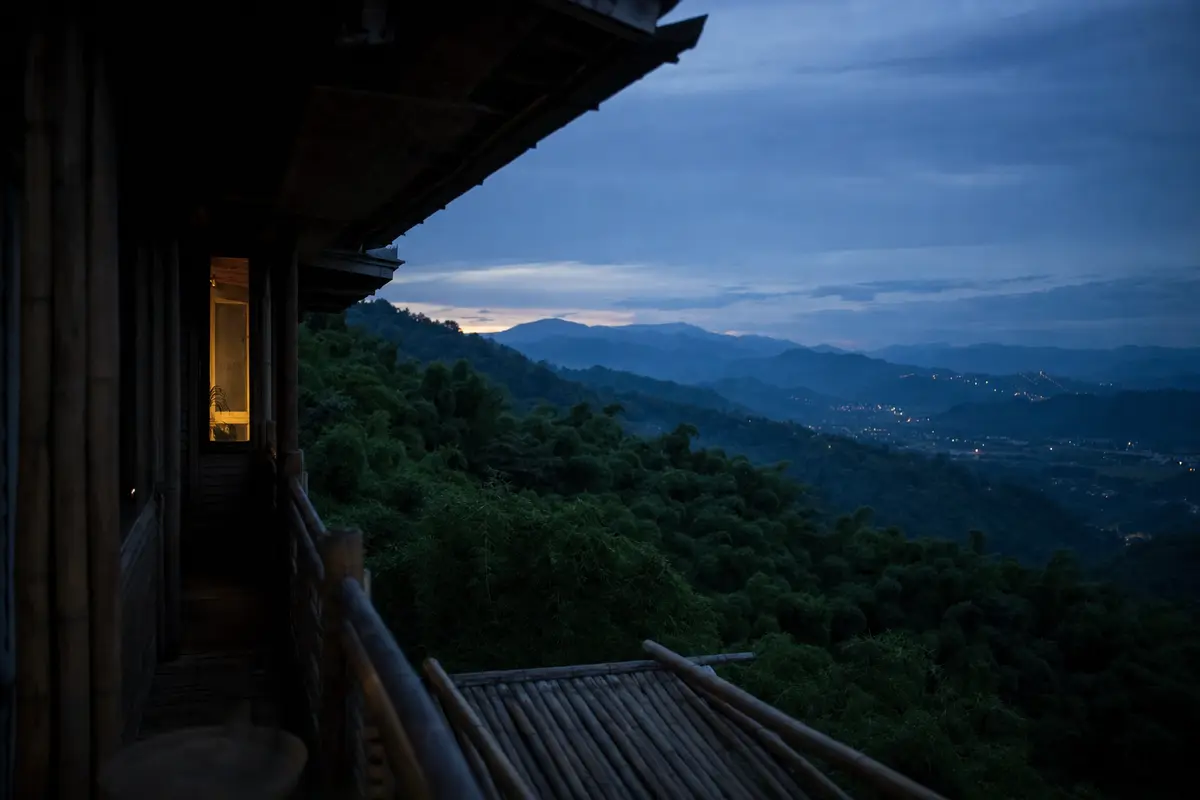
The cost line is the one that changes minds. Two mid-range nights in shoulder season (RMB 600 to 1,000) run close to what a single peak-weekend room costs, and you get the mountain quiet instead of full. Spring brings bamboo shoots and green meadows, and clear late autumn is the other good window. Both are promoted locally as shoulder seasons, which is another way of saying fewer people.
One real trade-off. The villages have no evening economy. Local reporting is blunt about it: no night market, very little late-night food. If you want dinner options, staying two nights will not give them to you. What it gives you is early mornings, and that is the whole argument.
For where to base yourself, start with where to stay in Moganshan. If you have a Saturday and Sunday and nothing more, the weekend from Shanghai itinerary is the honest middle option.
When the day trip is the right call
Sometimes it is. If you are starting from Hangzhou rather than Shanghai, the whole calculation changes: door to door from central Hangzhou is 1 hour 20 minutes to 1 hour 45 minutes by car. It also makes sense if you have one free weekday in a packed China trip, or if you just want to see whether the place deserves a proper visit later.
Go on a Monday if you can. Weekends and holidays drive the crowds here, and the gap is severe.
Train times, shuttle departures, transfer-centre hours and room-rate bands last checked 5 August 2026. Ticket prices conflict across sources and change by season, so confirm at booking.
Last checked 8 August 2026 by Cyril Drouin. Prices, timetables and entry rules on this mountain move without notice, so confirm anything you are booking around.
Photographs on this site are representative illustrations, not documentary images of the specific building, property or service described.