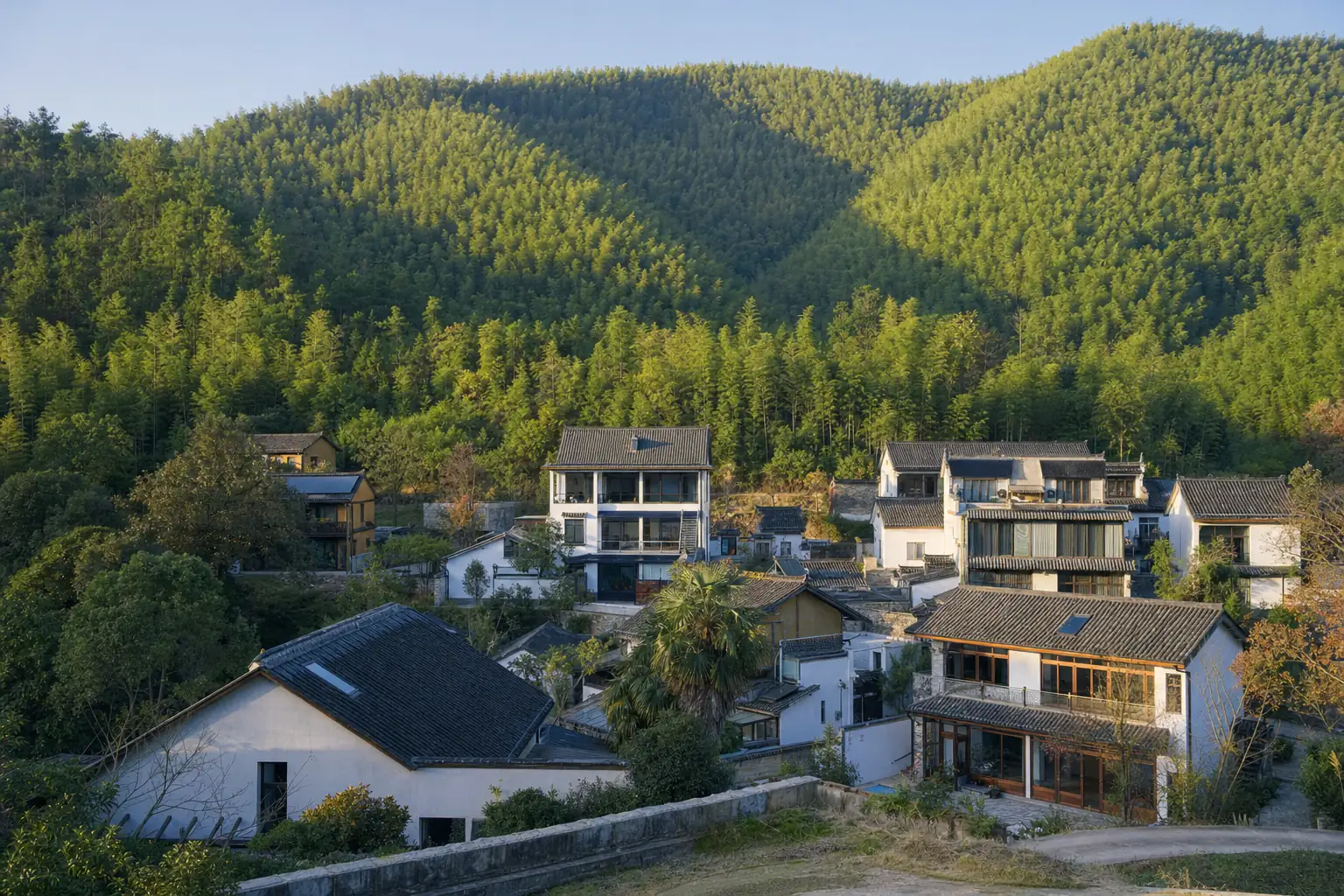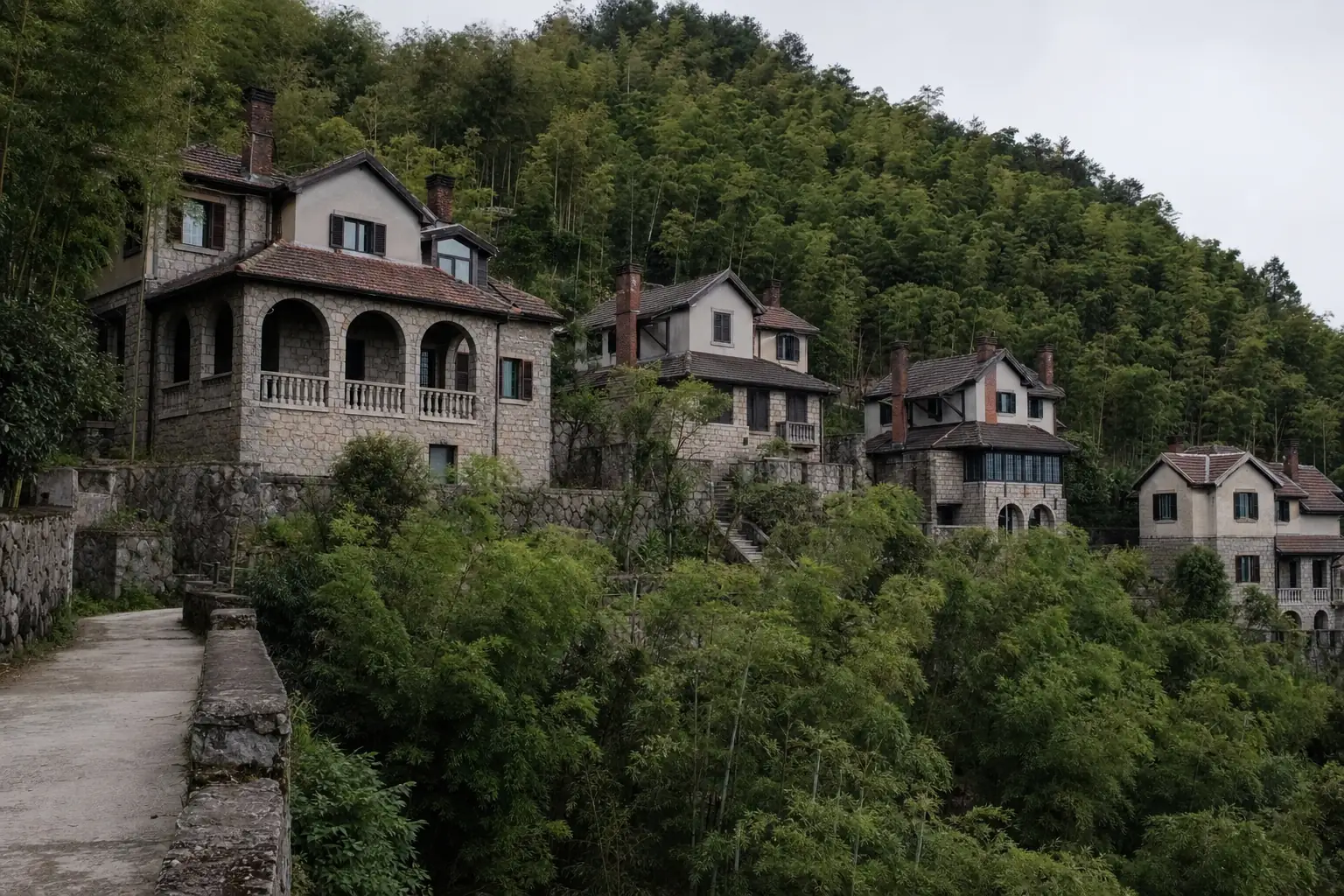
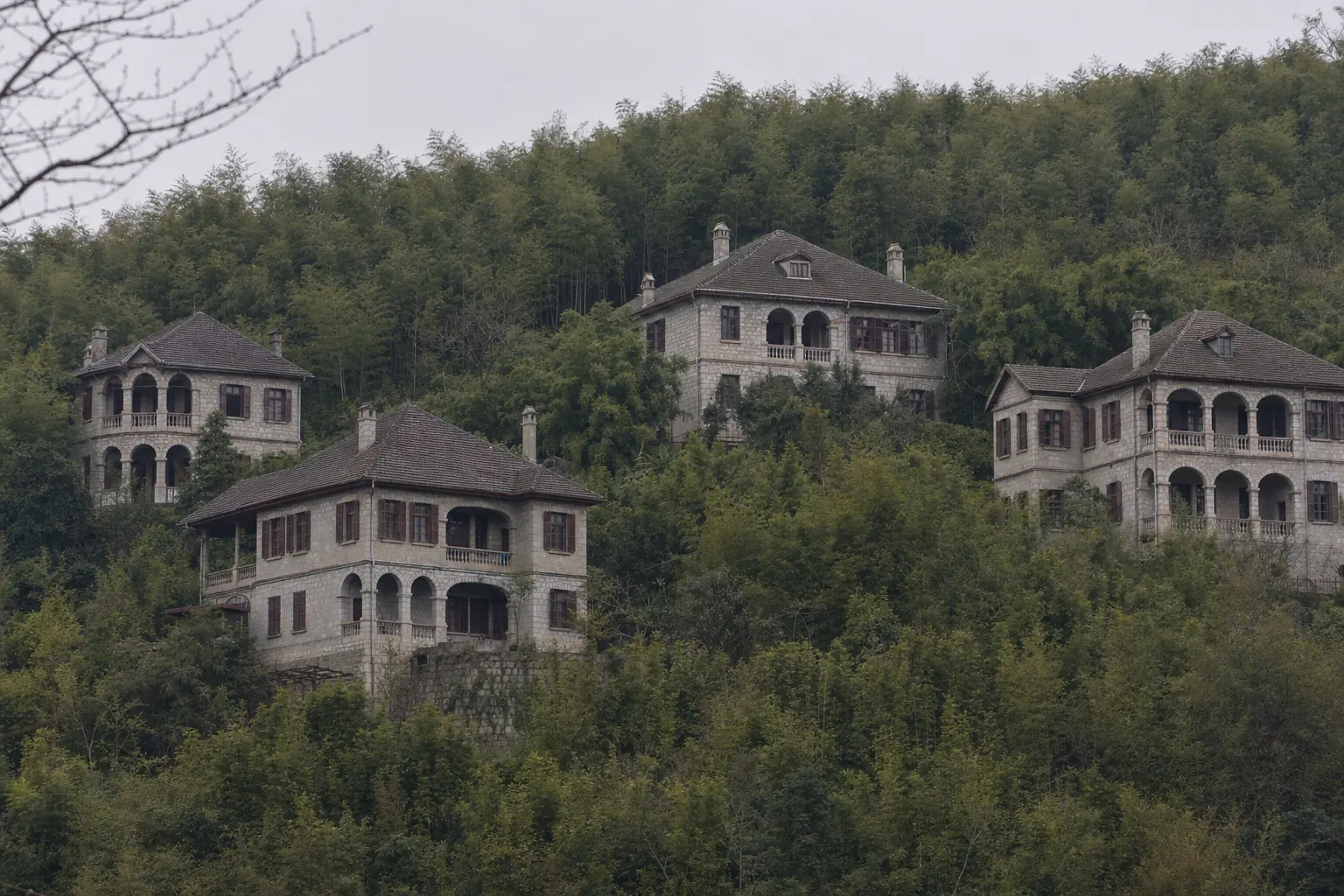
In the 1920s, 118 of the villas on Moganshan were foreign-owned. By 1929 the count stood at 78. Between those two figures sit forty houses and no explanation at all.
The mountain is in Deqing County, part of Huzhou prefecture, Zhejiang Province, about 60 km north of Hangzhou. American and British families built a summer settlement along its ridges from the 1890s onward, and the journal treats that founding as a piece of its own.
This one stays with the property register. Those two counts are the entire basis for the most repeated claim about the place, that Moganshan stopped being foreign long before 1949. They will not bear that weight.
What the register gives, and what it leaves out
| What was counted | When | Figure |
|---|---|---|
| Western-style villas on the mountain | 1920s | 154 |
| Of those, foreign-owned | 1920s | 118 |
| Foreign-owned villas | 1929 | 78 |
| Total villas standing | 1929 | not published in anything we hold |
Villa counts and foreign ownership for the 1920s and 1929, BeyondBorder Group Ltd primary research, 1 to 5 August 2026.
118 out of 154 is about three houses in four. The obvious next move is to run the same sum for 1929 and watch the share drop. You cannot. No 1929 total has been published that we can find, so the 78 floats free. It might be 78 out of 154, or out of 200, or out of a number nobody bothered to write down.
What the counts were for is not recorded either. Tax roll, insurance schedule, membership list, somebody’s magazine article: the record hands over figures with no document attached.
Start with the dates, because the gap between them is not what it looks like. The first count is fixed to a decade. The second is fixed to a year, and that year sits inside the decade.
So the interval is unknown. Compiled in 1921, the 118 makes forty houses a slow drift over eight years. Compiled in 1927, the same forty moved inside two years, which is an event with a cause. Compiled in 1929, the two figures may not describe a change at all.
You cannot get a rate out of a decade and a year. Nine years is the ceiling, not the measurement.
Whether the two numbers can be subtracted at all
A page built on two figures owes the reader one answer first. Were they counted the same way? The record does not say.
| The question | What the record gives |
|---|---|
| Who compiled the 1920s count | Not named |
| Who compiled the 1929 count | Not named |
| Whether the same body did both | Unknown |
| What “foreign-owned” meant in each | Undefined in both |
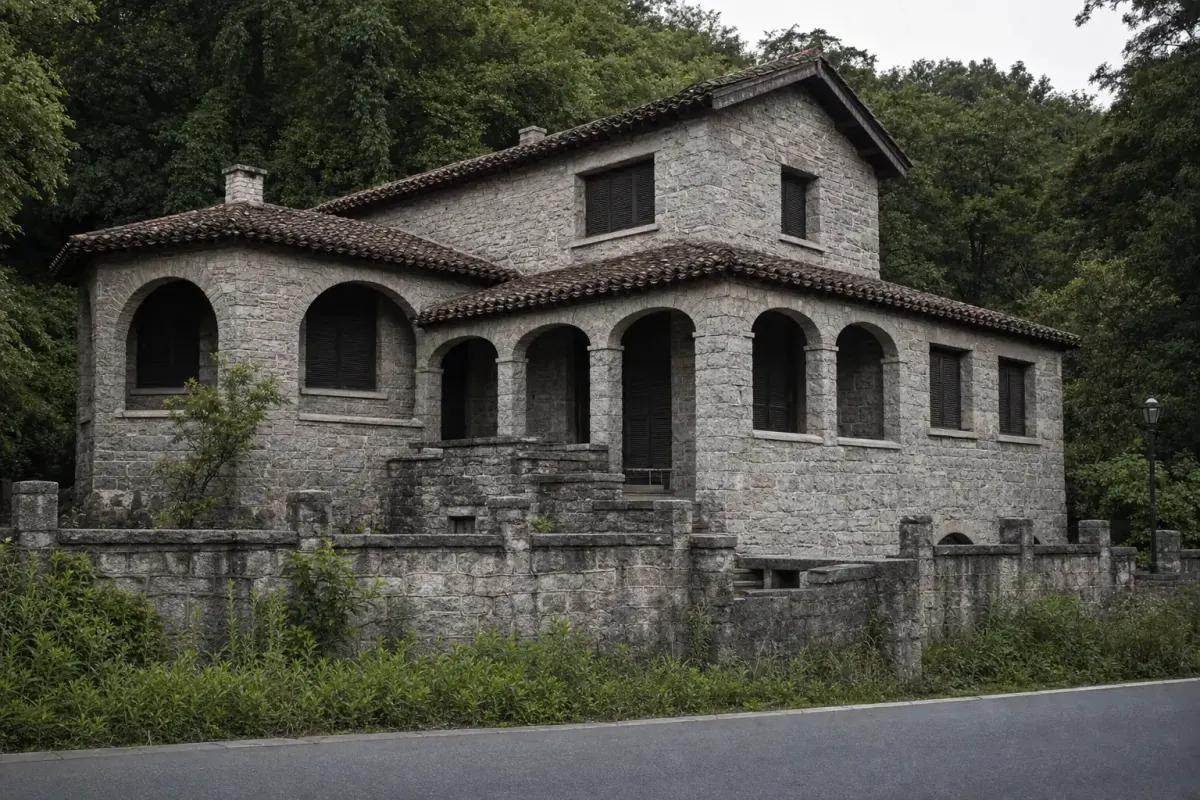
A fifth question does more damage, so it goes in a sentence rather than a table cell. Nobody has established that “Western-style” and “foreign-owned” tracked the same buildings. A house held by a mission board, a trading firm, a trust, or a Chinese wife could fall on either side of a line drawn by whoever was holding the pen. Move the definition and the count moves with it, without one deed changing hands.
The same doubt reaches the 154, and the 250 further down. Every figure here comes out of one thin base, and skepticism applied to a single number would be decoration.
So the difference of 40 is a difference between two counts, and not a count of houses that moved.
Four ways forty houses change hands
English-language writing about this mountain says the houses were sold. Our villa page has said it, and so has the longer history. It is a fair candidate, and nothing in the research picks it over the other three.
| Explanation | What it would mean |
|---|---|
| Sale | Foreign owners sold to Chinese buyers, house by house |
| Lease expiry | The plots were leased rather than owned, and terms ran out |
| A change in the counting | Different surveyor, different survey, different boundary |
| A change in the definition | The same houses, reclassified |
Sale is the easiest of the four to picture. Ease is not evidence, and the other three would leave no trace to trip over.
One thing the figures do rule out. Neither count records a building lost. Whatever happened to the forty, the houses stayed up.
The story that writes itself
There is a version of this story that writes itself.
Four dated items sit near the drop.
| Year | Item |
|---|---|
| 1928 | The Moganshan Management Bureau was established, the body that ran the mountain from then on. Chinese administrative control returned |
| 1937 | Secret KMT and CCP talks at Baiyun Shanguan, part of the Second United Front |
| 1940 | Moganshan became headquarters of the CCP’s West Zhejiang Special Committee |
| 1949 | The foreign residents left; villas were redistributed or requisitioned |
Three fall after 1929 and cannot have caused anything the 1929 count records. Writers reach for them anyway. The fourth, 1928, sits inside the window, and it is the one this piece is expected to blame.
It is not going to. A cause needs a date at both ends, and the 118 has no date better than a decade. If that count was made early in the 1920s, most of the shift happened while the foreign residents still ran the mountain through their own association, constituted in 1898.
The smaller claim is the one the evidence carries. The Bureau arrived in 1928, and by then the register had already booked a mountain that was not the one the association had been running. Which came first, we cannot date.
Establishment of the Moganshan Management Bureau in 1928, and the dated events of 1937, 1940 and 1949, BeyondBorder Group Ltd primary research, 1 to 5 August 2026.
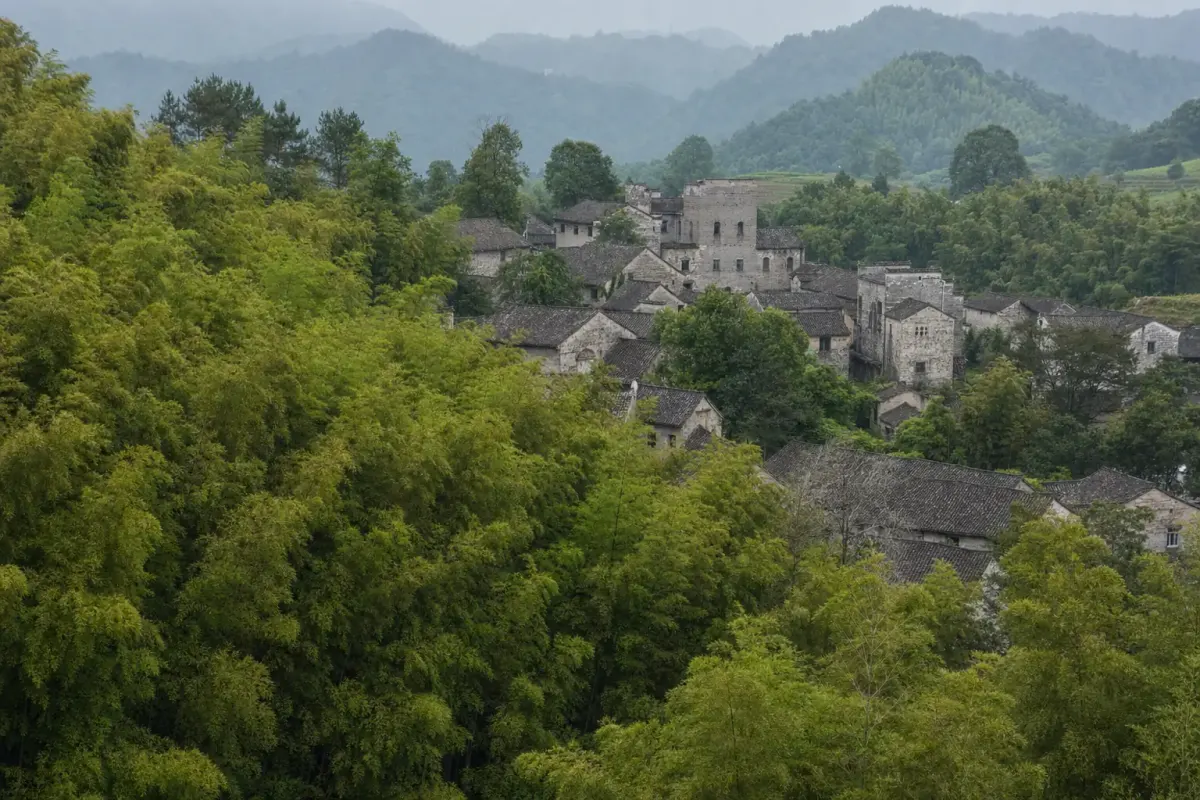
The half of the mountain nobody counts
Between 1928 and 1949, Chinese owners built more than 300 further villas. The foreign community, whose first houses date to 1896 to 1898, had 154 standing by the 1920s.
Chinese villa construction between 1928 and 1949, BeyondBorder Group Ltd primary research, 1 to 5 August 2026.
Twenty-one years, and at least twice what the first wave managed in thirty. Counted in buildings, the place English-language writing files under colonial hill station is substantially a Chinese one.
Hold that against the 118 and the 78. Forty houses leaving foreign hands is the small story of those decades. The large one is what Chinese owners built on ground they administered, in the two decades most accounts of this mountain skip in a sentence. The small story is the one that gets quoted. The hill station page sets out both waves.
154 plus 300 does not leave 250
The arithmetic does not close, and rounding it away would be worse.
| Line | Figure |
|---|---|
| Western-style villas, 1920s | 154 |
| Chinese-built, 1928 to 1949 | more than 300 |
| Implied total | more than 450 |
| Historic villas surviving, as researched in August 2026 | about 250 |
At least 200 are unaccounted for. At least, because “more than 300” has no upper end, so the shortfall is a floor rather than a figure.
Seventy years of weather, war, demolition and rebuilding will take houses off a mountain, and nobody should expect the two columns to match. What is missing is any record of the loss: no demolition list, no survey, nothing naming a single house that went.
The surviving figure is soft at its own end. Some sources say 200 or more rather than about 250, and nobody we can find has published the method behind either. What makes a villa historic here is undefined.
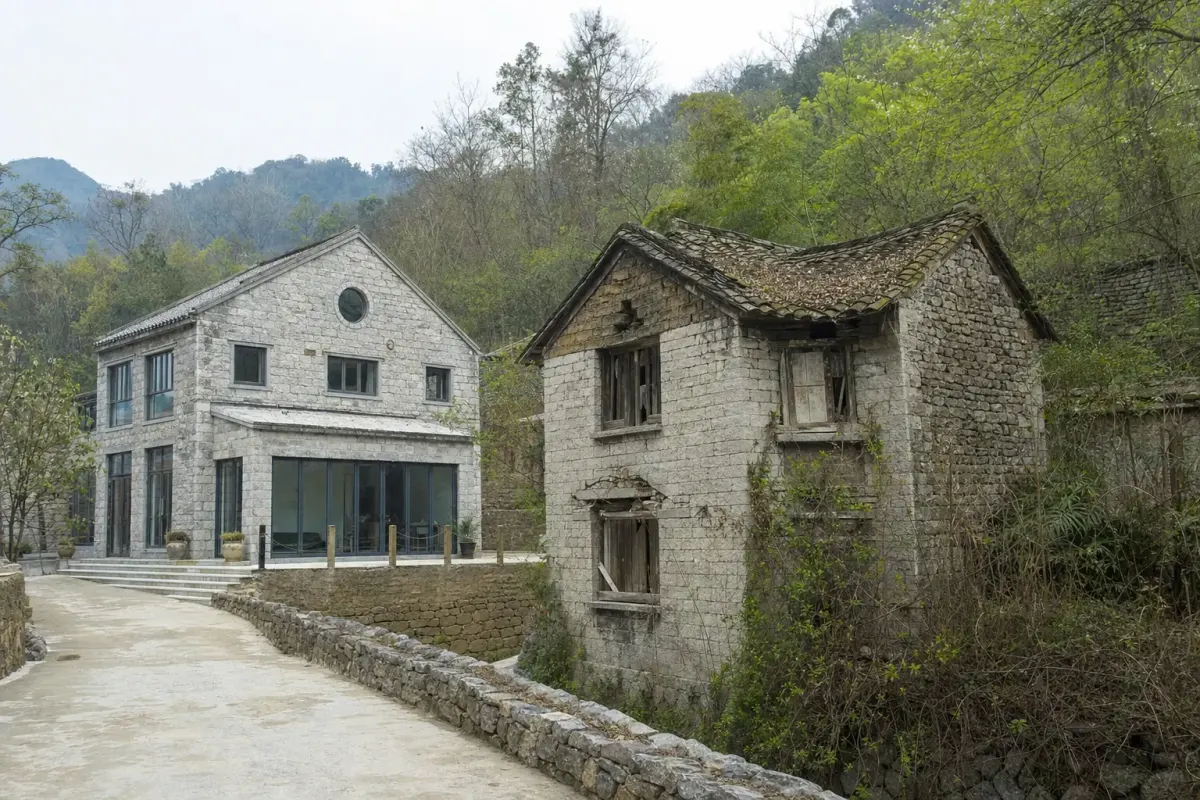
“About 250” is an estimate that has been repeated rather than a count that has been made. The survivors are the ones the walking tour puts into an order that works on foot.
What would close this
Four documents would settle most of the page above.
- The 1920s survey: who ran it, in which year, and what it counted
- The 1929 count, on the same terms
- Any register of transfers, leases or land tenure on the mountain in the 1920s
- A method note behind the modern figure of about 250
None of them is in our hands. If you hold one, we would like to see it.
So the honest version of “118, then 78” is short. Two counts, somewhere between one year and nine years apart, disagree by forty houses. The reason is not on the record, the basis of comparison is not on the record either, and the building that came afterward was bigger than anything the two numbers describe.
Figures follow the fact base compiled 1 to 5 August 2026, last checked 7 August 2026. The two gaps flagged above stay open until the underlying counts are found.
Last checked 9 August 2026 by Cyril Drouin. Prices, timetables and entry rules on this mountain move without notice, so confirm anything you are booking around.
Photographs on this site are representative illustrations, not documentary images of the specific building, property or service described.