Your booking confirmation will name a village. For most visitors that is the first time they have seen the name, and it ends up mattering more than the room number does.
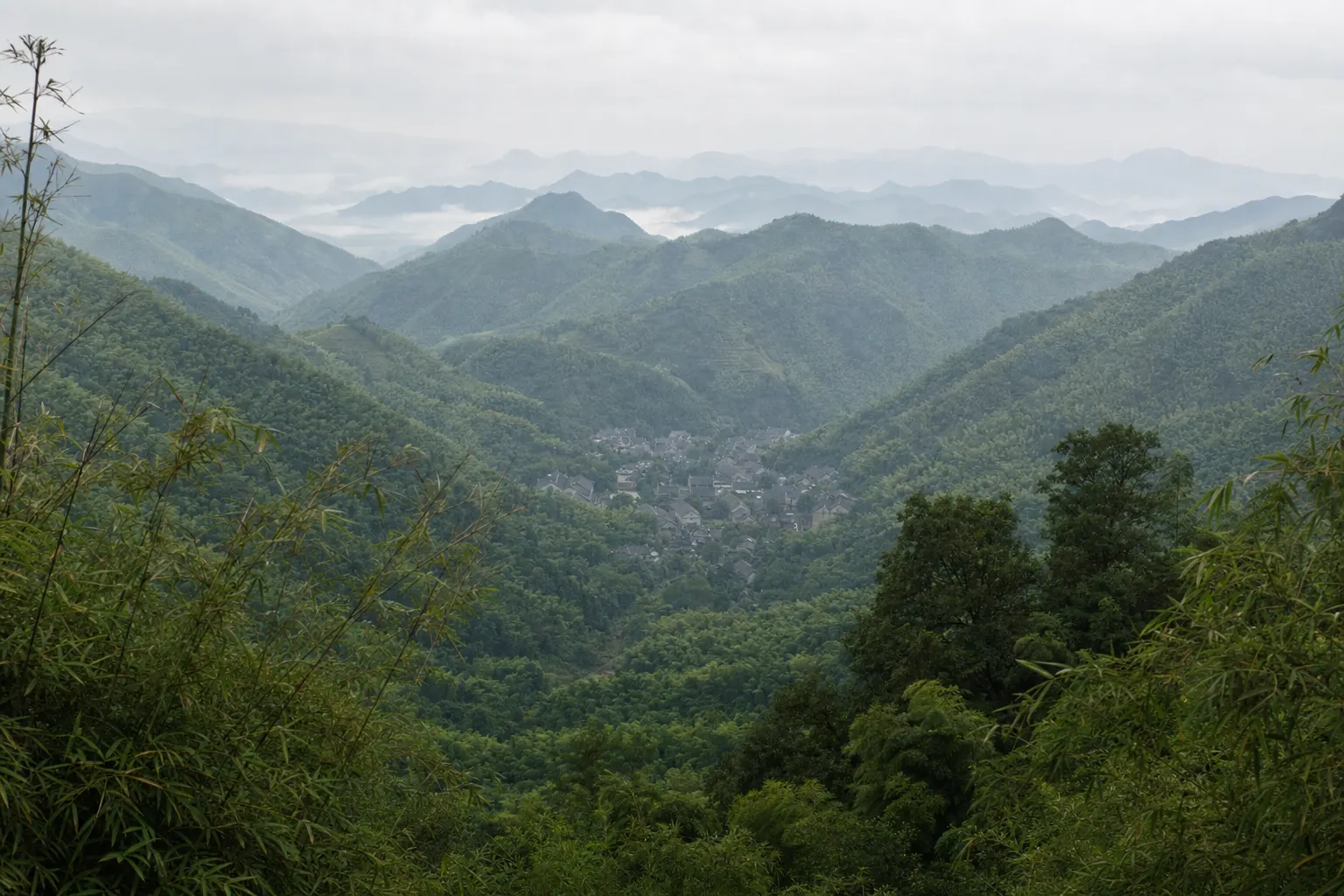
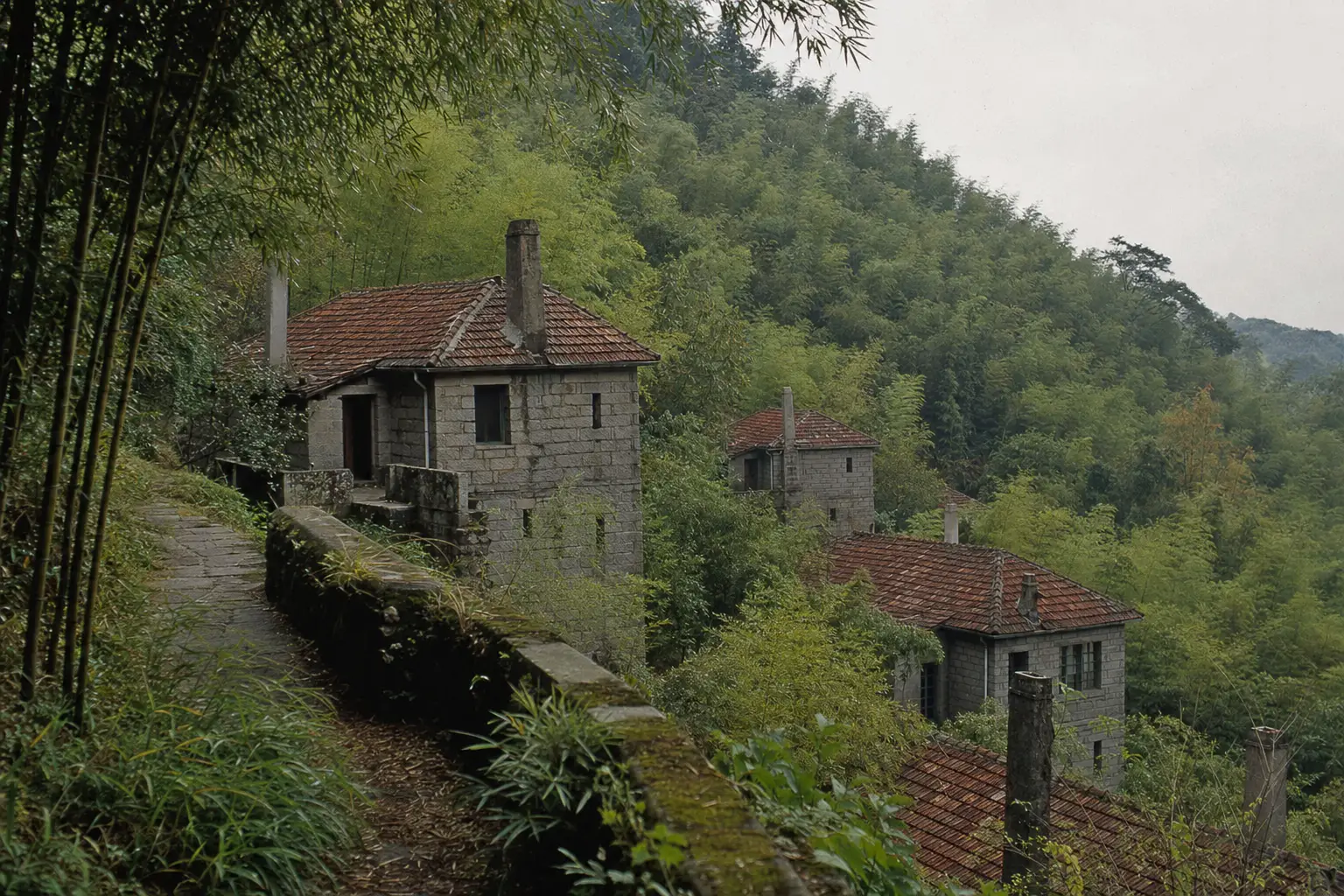
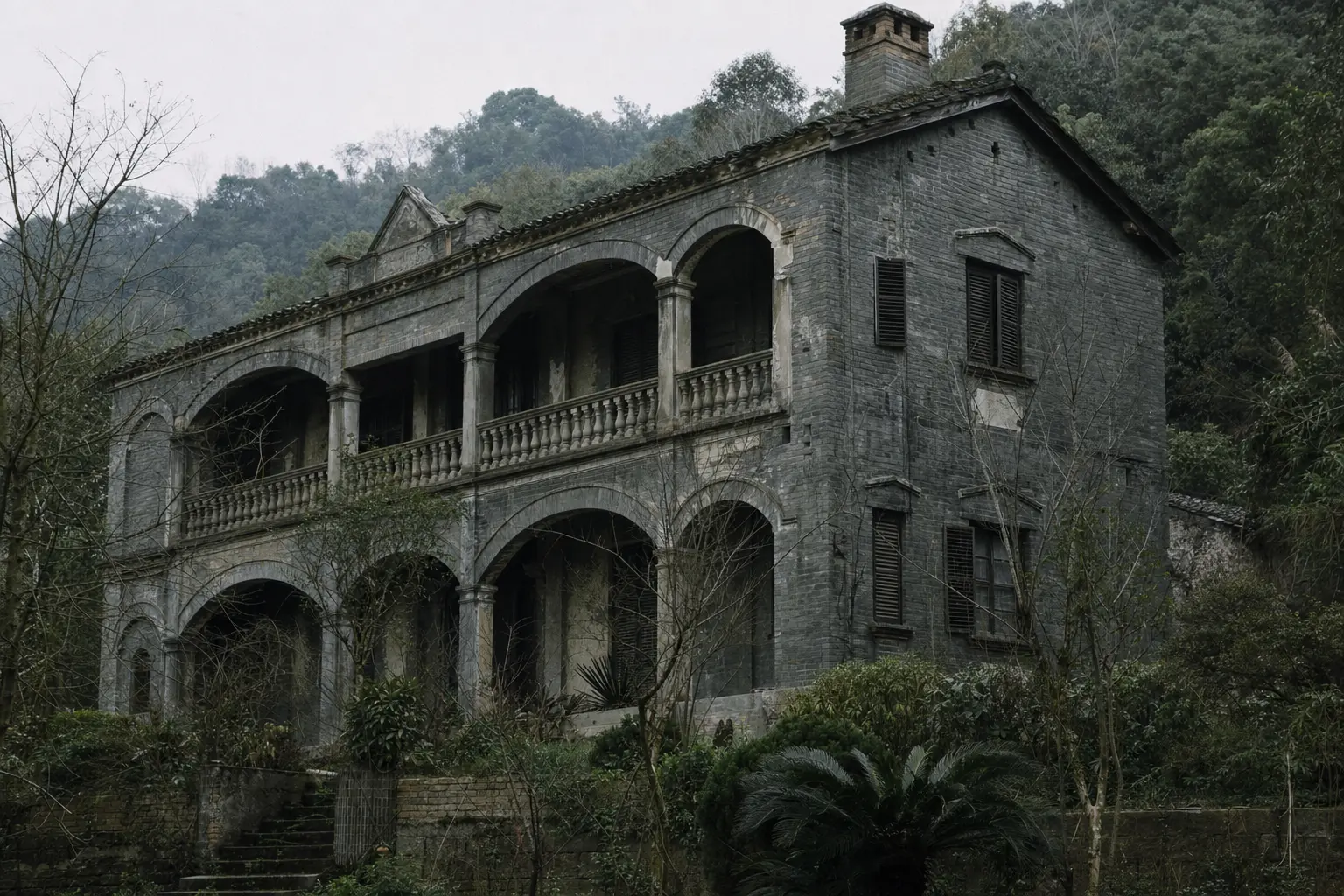
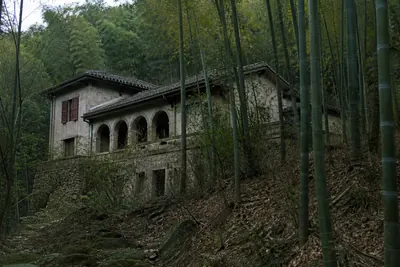
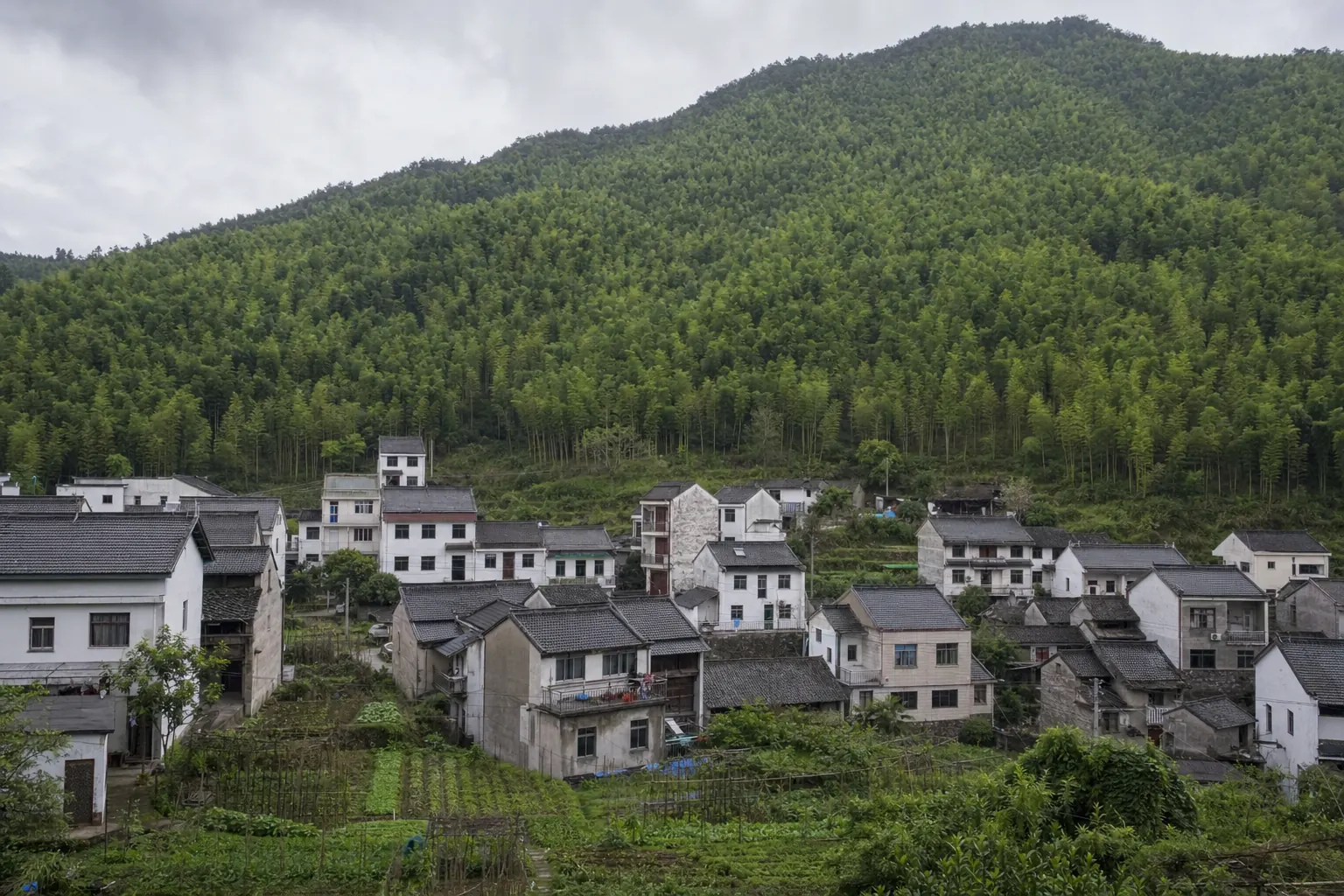
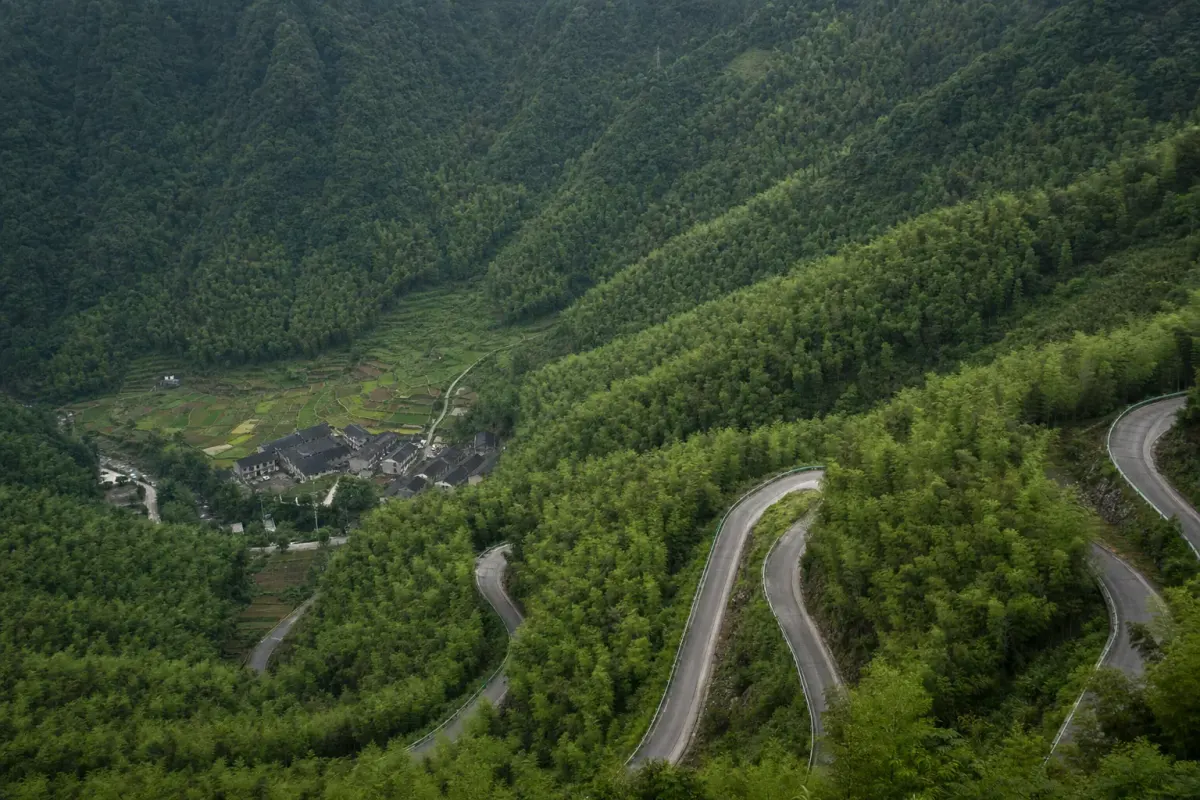
Moganshan is not one place. It is a low wooded ridge with separate settlements scattered around its base, all of them inside Moganshan Town, in Deqing County, part of Huzhou prefecture in Zhejiang Province. Hangzhou sits about 60 km south, Shanghai 200 to 240 km back. The old hill station and its stone villas are up on the ridge. The beds are below, in the villages.
Six of the Moganshan villages are worth knowing by name, plus the county town off the mountain. Moganshan Town counted 2.60 million visitors in 2018 and 2.52 million in 2021. The village name is on every one of those bookings and in almost none of the English-language coverage, which matters not at all until the evening you go looking for dinner in a village that has none.
This page assumes the booking is more or less made and you want to know what is down there.
Where the villages actually sit
A booking site gives you a property name and a pin, rarely which flank of the hill that pin is on.
| Village | Chinese | Where it sits |
|---|---|---|
| Yucun | 庾村 | At the foot of the mountain. The main gateway, and a transfer center |
| Xiantan | 仙潭村 | Northern foot |
| Laoling | 劳岭村 | South side, by a reservoir |
| Sanjiuwu | 三九坞 | A small valley settlement below the ridge |
| Houwu | 后坞 | West, about 30 minutes from Yucun. Also a transfer center |
| Dazaowu | 大造坞 | The most remote of them, out by the Dadouwu reservoir |
| Wukang | 武康 | Off the mountain, about 20 km. The county seat, not a village |
Village names, characters and locations, BeyondBorder Group Ltd primary research, 1 to 5 August 2026.
Every one of them sits below the ridge, and the drive to the scenic area gate depends on which flank you are on. Houwu to Yucun is about 30 minutes, which is the far end of it. The Y1 shuttle from Deqing station runs to the Moganshan tourist distribution center in the town, not into the scenic area, so the last leg from the shuttle to your door is arranged with the property.
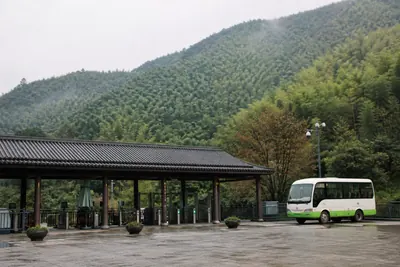
One rule cuts across all of it. Private vehicles cannot drive inside the core scenic area, so everyone changes at one of three transfer centers: Yucun, Fatou and Houwu, open 08:00 to 18:00. Two of them are villages on the list above. Getting around Moganshan has the shuttle times and the Deqing station guide the leg before.
Yucun, the one most people mean
Yucun (庾村) is the hub at the foot of the mountain and the default answer for a first visit. It holds the square, the market, most of the restaurants, the “1932” culture park and the scenic-area gateway. It is also a transfer center, so you will probably pass through it even if you sleep elsewhere.
That concentration is the case for staying here. With no car, dinner is a walk rather than a drive. Arriving late, it is the shortest hop from shuttle to door.
The same concentration is why people leave it. Yucun takes the crowds first, and over the National Day holiday in 2025 daily footfall here ran 30 to 40 percent above normal. On a Monday in March that is irrelevant. On the first Saturday of October it is the whole experience.
Yucun footfall during National Day 2025, BeyondBorder Group Ltd primary research, 1 to 5 August 2026.
Two name traps attach to this village, and both cost money. Anji County has its own Yucun, written 余村, which won a UN Tourism Best Tourism Village award in 2021. Different characters, different county. Moganshan has never won it, and search results mix the two constantly.
The second is newer. Four Seasons announced a 90-key resort on 12 September 2025, opening 2030, and gave the site as Yu Village. The English name is close enough to this Yucun to be confusing and the resort is five years off either way, so it should not weigh on a booking made now.
Xiantan, where the choice is
If Yucun is the safe answer, Xiantan is the one with the most doors.
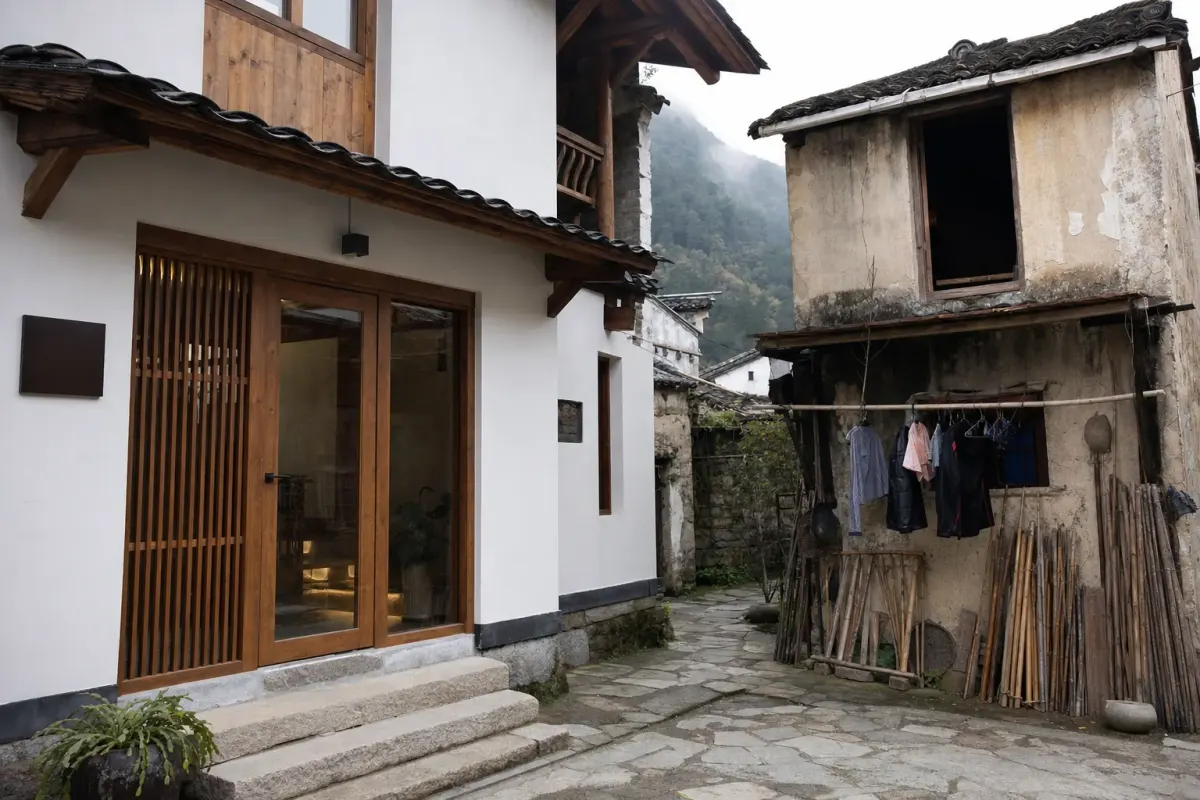
Xiantan (仙潭村) sits on the northern foot and is the densest guesthouse village here: about 135 minsu inside a village of under 2,000 people, roughly 90 percent of them run by locals. A minsu (民宿) is a small guesthouse, usually run by the family that owns it.
It is not a village with guesthouses in it. It is mostly guesthouses, with a village still attached.
For you, that density is a price story. With 135 owners competing in one small place, the range widens. Off season, mid-range rooms run RMB 300 to 500 a night. On a summer Saturday, or during a Golden Week, meaning the national holidays around 1 May and 1 October, the same room passes RMB 1,000. The local trade puts its high-end threshold at RMB 1,500.
Rate bands and Xiantan guesthouse figures, BeyondBorder Group Ltd primary research, 1 to 5 August 2026.
The density has a cost nobody writes down. Ninety percent locally run also means lower odds of fluent English at the door than at the design-led end of the market. Message the property before you pay and you will know inside a day.
What a minsu is covers what booking one involves, including whether foreign guests are taken.
Sanjiuwu, where the foreign-founded trade started
Sanjiuwu (三九坞) is small, and its importance is historical. In 2007 Grant Horsfield, a South African, opened naked Home Village here. It was the first yangjiale (洋家乐), the local word for a farmstay founded by a foreigner, and the mountain’s modern guesthouse economy dates from it.
That history has one practical effect on your booking. The foreign-founded end of this market is where the odds are best of English at the door and a property used to foreign passports. Sanjiuwu is where it began, though it spread past this village long ago. Operators from France, the UK, Belgium, Denmark, South Korea and Russia followed him, and guesthouse investors here now come from 18 countries.
naked Home Village, the yangjiale label and investor origins, BeyondBorder Group Ltd primary research, 1 to 5 August 2026.
It stays a small village. Nobody comes here for a square or a choice of restaurants, and the property you book is the whole of the evening.
Laoling, Houwu and Dazaowu
Sanjiuwu is the village with a story. These three come with a trade-off.
| Village | Where | What is there | What it costs you |
|---|---|---|---|
| Laoling 劳岭村 | South side | Reservoir, kayaking, cycling. An early farmstay cluster | You came for the water or the bike, not a square |
| Houwu 后坞 | West, about 30 minutes from Yucun | Quiet. Also a transfer center, so better connected than its reputation | Thirty minutes each way, including for dinner |
| Dazaowu 大造坞 | The most remote | Rice paddies and the Dadouwu reservoir | The longest drive of the six, and the fewest doors |
Laoling, Houwu and Dazaowu, BeyondBorder Group Ltd primary research, 1 to 5 August 2026.
Which village to pick
The biggest variable is the car.
| Your trip | Village | Why |
|---|---|---|
| First visit, one or two nights | Yucun | The gateway, the food, the transfer center you use anyway |
| No car | Yucun | The one village where dinner is a walk |
| With a car | Xiantan, Laoling or Houwu | Distance stops costing you, so quiet gets cheaper |
| Family with young children | Yucun or Laoling | Yucun for food and short transfers, Laoling for water and bikes |
| Couple wanting quiet | Houwu or Dazaowu | Quiet, paid for with your evenings |
| The foreign-founded end | Sanjiuwu | Where the yangjiale trade began in 2007 |
| Choice and price competition | Xiantan | About 135 guesthouses in one village |
| Group taking a whole house | Xiantan or Laoling | The most properties, so the most owners to ask |
| Arriving after 18:00 | Wukang | Transfer centers shut. Sleep in the county town, go up in the morning |
The last row catches more people than the rest combined. Trains from Shanghai Hongqiao reach Deqing station in 63 to 80 minutes, then the road up takes another 30 to 40. Get in after about 17:30 and night one is arithmetic, not preference.
Where to stay sorts the properties by price band, and what and where Moganshan is covers the mountain itself.
Eating and paying down there
Village picked, two things decide how the stay goes: what you eat, and how you pay.
Chinese reporting on the sector is blunt: these villages have no evening economy. No night market, very little late food.
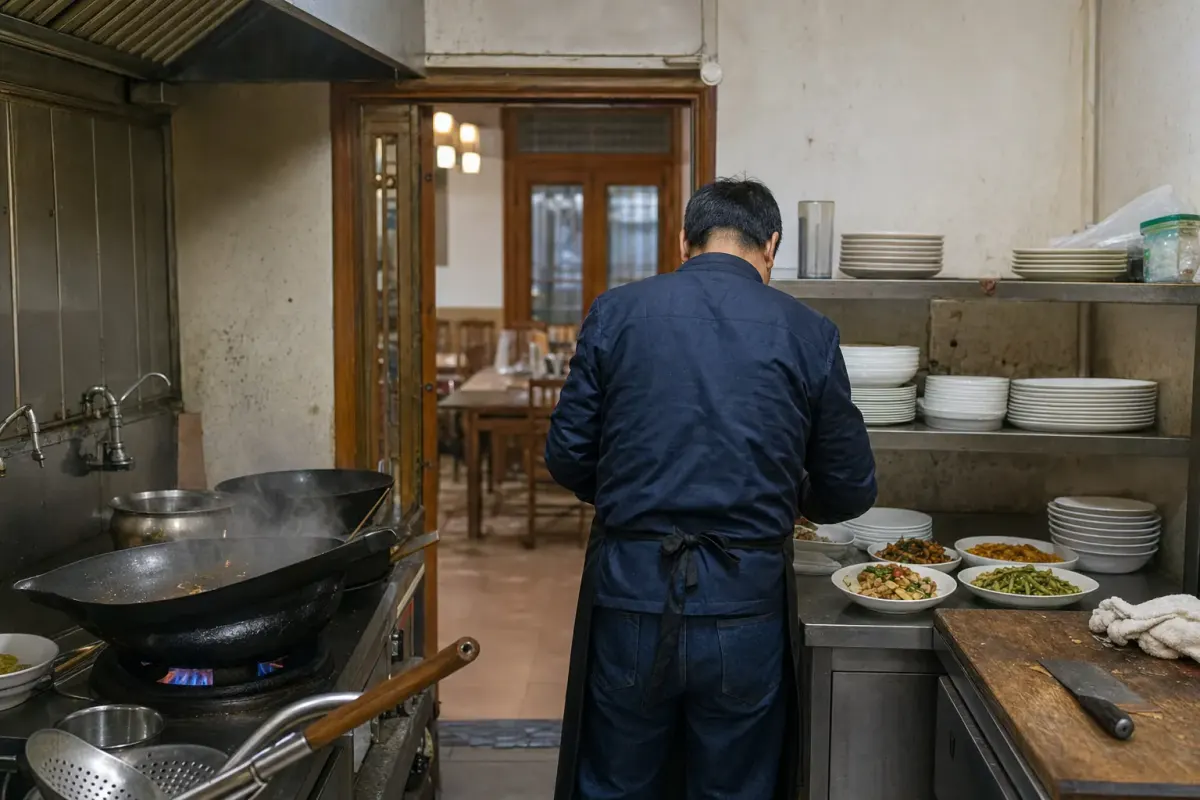
Yucun is the exception, with restaurants around its square and market. Everywhere else your guesthouse is your restaurant. Book half board, meaning a rate that includes breakfast and dinner, and confirm the arrival night in writing before you pay.
Paying splits three ways.
| How you pay | Where it stands in the villages |
|---|---|
| Alipay or WeChat Pay, foreign card bound | The documented route. Both have taken foreign-issued cards since 2023 |
| Cash | Still circulates in the villages, and small notes are worth carrying |
| Your card in the property’s terminal | Do not count on it. About 80 percent of properties are individually owned, so no chain standard applies |
Foreign card binding on Alipay and WeChat Pay, and ownership share, BeyondBorder Group Ltd primary research, 1 to 5 August 2026.
Set both apps up before you fly and carry small notes. ATMs are a Wukang errand rather than a village one, so draw cash before you come up. Money and payments has the setup.
Getting between the villages
Village to village is a road trip, short but real. Houwu to Yucun runs about 30 minutes, and that is roughly the outside edge; villages on the same flank are closer.
Walking between them is not a plan. They sit on different flanks of one hill, joined by roads that climb, with forest over more than 92 percent of the ground between. Walking works inside the scenic area, where the named sights sit close together. Everywhere else it fails.
Otherwise it is a car, a taxi or a guesthouse pickup. Ask the property to arrange it, with your arrival time.
Which leaves the decision where it started. Pick Yucun if you have one night or no car, and Xiantan if you want the choice. Anywhere else, solve dinner and transport before you book. The hill station on the ridge above is where everybody converges anyway.
Village figures, rate bands and footfall last checked 5 August 2026. Transfer center hours and shuttle timings change without notice, so confirm what your arrival depends on.
Last checked 9 August 2026 by Liyan Ye. Prices, timetables and entry rules on this mountain move without notice, so confirm anything you are booking around.
Photographs on this site are representative illustrations, not documentary images of the specific building, property or service described.