
Our subject is Moganshan, a mountain in Deqing County, Huzhou prefecture, Zhejiang Province, about 60 km north of Hangzhou and 200 to 240 km from Shanghai. (Moganshan Road is an art district in Shanghai, and search results mix the two constantly.) This page is not about the mountain. It answers a question that comes up before anyone has picked anywhere in China at all. How do you actually pay for things? Paying in China as a tourist used to be hard. It is not hard now, but the good information about it is thin.
It sits inside plan your trip. If your entry route is not settled yet, China visa-free entry comes first.
How Alipay for foreigners works
Most day-to-day payment in China runs through two apps: Alipay and WeChat Pay. For years both were effectively closed to visitors, because a foreign card could not be bound to them.
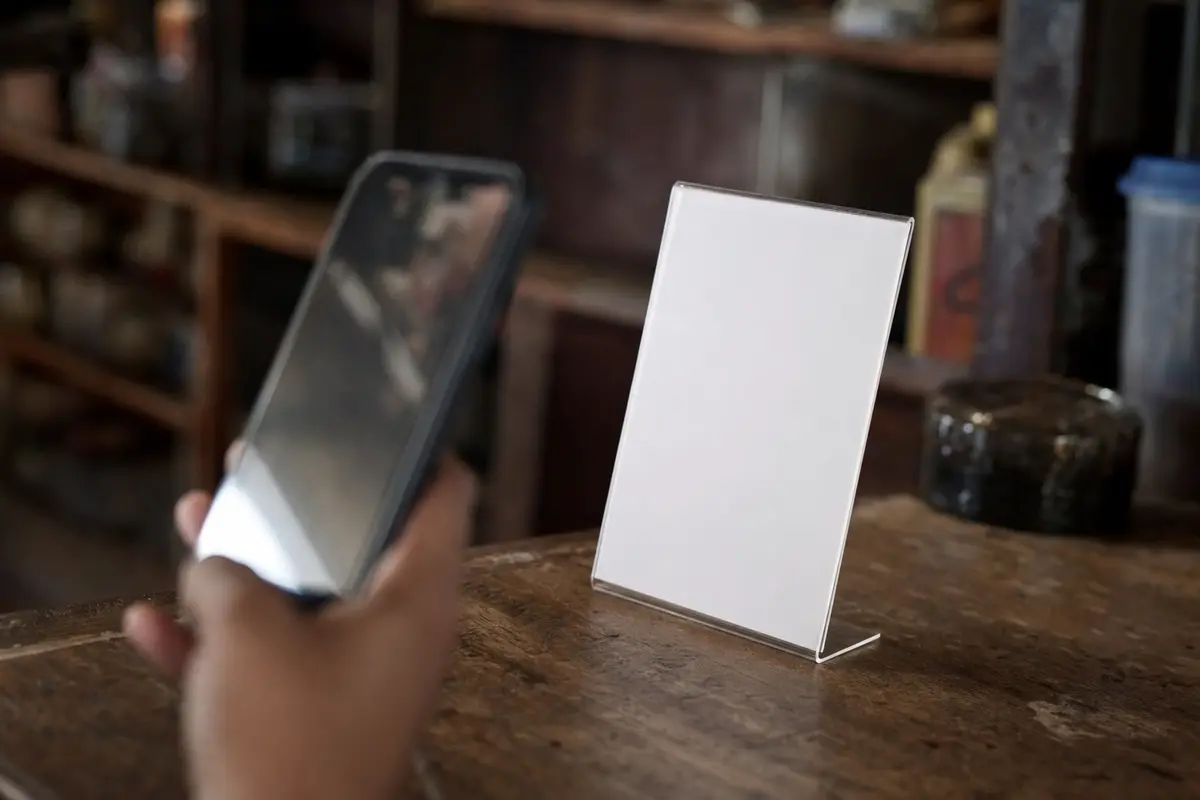
The apps opened up in 2023. Both now accept a bank card issued outside China. You add the card inside the app and pay from your phone; your own bank never deals with a Chinese shop directly. This is the route people mean when they search for Alipay for foreigners. A WeChat Pay foreign card binding works the same way.
Install both if you have room. They are not interchangeable at every counter, and the second app costs nothing.
That gives you three ways to pay, and they are not equally solid.
| Method | Where it stands |
|---|---|
| Alipay or WeChat Pay, foreign card bound | The documented route. Working since 2023 |
| Cash | Still circulates, and small notes are the useful kind |
| Your card in a shop’s own terminal | Do not count on it, least of all at a village guesthouse |
Foreign card binding on Alipay and WeChat Pay, BeyondBorder Group Ltd primary research, 1 to 5 August 2026.
How many people are actually doing this
Inbound tourists spent about RMB 80 billion through mobile payment in China during 2025. RMB is the Chinese currency, also called the yuan. A pilot scheme does not move that kind of money.
The visitor numbers behind it moved fast.
| Measure | 2025 | Against the year before or 2023 |
|---|---|---|
| Foreign-national entries to China | About 41.0 million | Up from about 17.8 million in 2023 |
| Shanghai inbound visits | 9.36 million | 7.14 million of them foreign nationals |
| Zhejiang inbound overnight visitors (Moganshan’s province) | 4.171 million | Up 24.6 percent |
Those figures answer the nervous version of the question. China payment for tourists is a well-worn path now, not an experiment.
Mobile payment spending and inbound entry figures, BeyondBorder Group Ltd primary research, 1 to 5 August 2026.
What to set up before you fly
Do this at home, while you still have your usual phone signal and your bank’s number in your contacts.
| Step | What to do | When |
|---|---|---|
| 1 | Install Alipay, WeChat or both | Two weeks out |
| 2 | Bind a card from your own bank inside the app | Same day you install |
| 3 | Tell your bank you are traveling to China | Same week you install |
| 4 | Make one small test payment at home | As soon as the card binds |
| 5 | Get some RMB cash as a backup | Before you leave, or at the airport |
| 6 | Carry your passport | Every day in China |
Step 4 is the one people skip. It also matters most. A card that binds is not the same as a card that pays. Testing it at home tells you while you can still fix it.
Step 6 is not about money. It is about the hotel desk, further down this page.
What varies, and what to check yourself
The app route works. What sits on top of it varies by card, by bank and by counter, and those are the things to settle before you fly rather than at a village till.
| What to check | Where to check it |
|---|---|
| Whether your particular card binds, and on which network | In the app, at home, before you travel |
| Fees your bank charges on the transactions | Your bank, in writing |
| Per-transaction and annual caps inside the app | The app’s own limits screen |
| Whether your guesthouse takes app payment or wants cash | The property, in the message that books the room |
| How you will pay the shuttle and the scenic-area transfer | Carry small notes and you are covered either way |
| VAT refund participation at a given shop | The shop, at the till, before you buy |
None of this is exotic. It is the same list you would work through for any country whose payment system is not your own, and it takes an evening.
Cash, and what things cost
Carrying some cash is worth the trouble. In a small mountain village the person taking your money may not have kept much change on hand for years, so break your notes down before you come up.
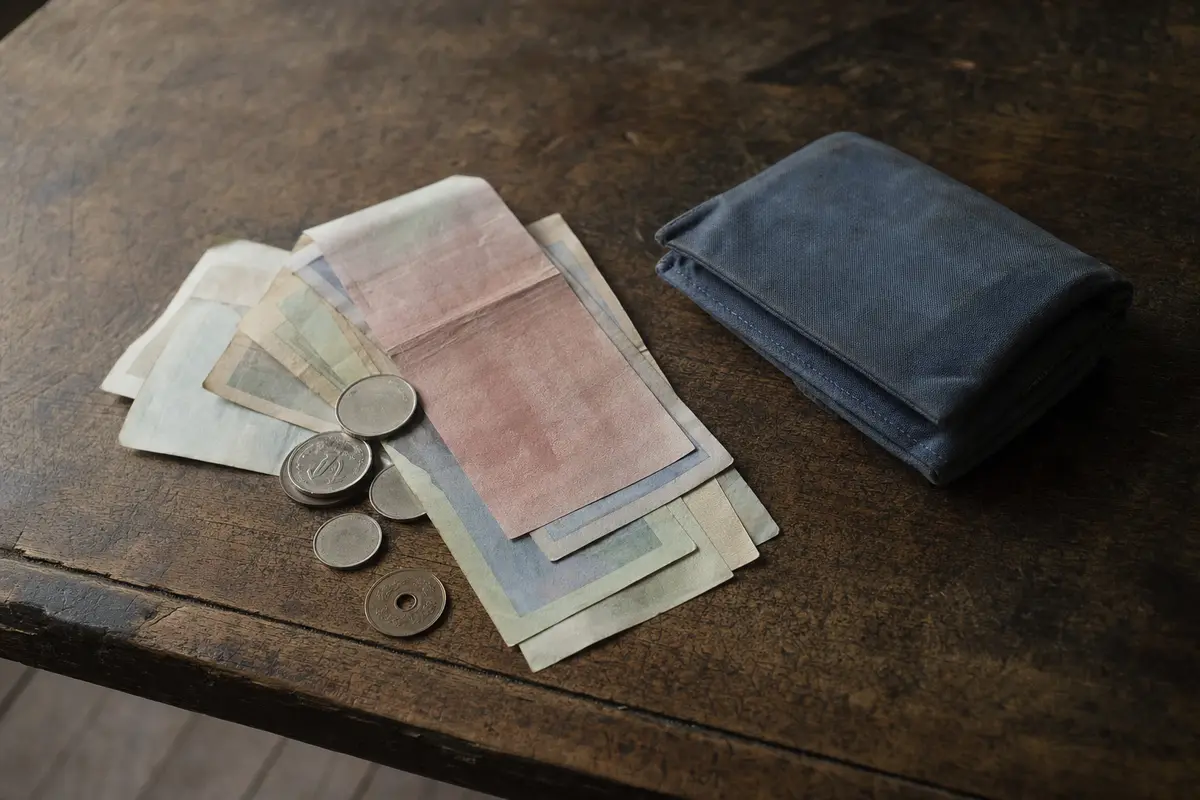
Cash is the backup, not the plan, and the notes should be small ones. The app route is the dependable one now, and cash is the insurance. Do not fly without the insurance.
The costs look like this.
| What | Cost |
|---|---|
| Shanghai Hongqiao to Deqing, high-speed train | RMB 61 to 110 |
| Hangzhou East to Deqing, high-speed train | RMB 16 to 67 |
| Y1 shuttle, Deqing station to Moganshan town | RMB 10 |
| Taxi or van, same trip | About RMB 100 |
| Guesthouse, mid-range off-season | RMB 300 to 500 |
| Guesthouse, mid-range at peak | RMB 1,000 and up |
The scenic-area ticket is missing on purpose. Published prices run from RMB 50 to RMB 130 depending on season and source, so confirm it at the gate rather than budgeting from a figure here.
Cars stop at the scenic-area boundary, so you change to a shuttle at Yucun, Fatou or Houwu, between 08:00 and 18:00. Have both the app and a small note ready at those counters.
Being turned away at the hotel desk
Money is only half of this anxiety. The other half is being turned away when you arrive.
A joint directive of 24 May 2024 bars hotels from refusing a foreign guest for lack of a special license. It came jointly from the Ministry of Public Security, the Ministry of Commerce and the National Immigration Administration. The rule is not ambiguous. Refusals are reported in practice anyway.
The gap between the rule and the room is what you plan around. Ask in writing, before the deposit, whether the property can register a foreign passport. The question feels insulting to send. Send it anyway, because the version where you find out at the door is worse. Moganshan runs on minsu (民宿), small owner-run guesthouses, rather than hotels. What a minsu is explains why they vary so much on this.
Joint directive of 24 May 2024 on foreign guests, BeyondBorder Group Ltd primary research, 1 to 5 August 2026.
Getting tax back when you leave
China’s departure VAT refund got easier in two ways.
| Rule | What changed | Why it matters |
|---|---|---|
| Minimum purchase to qualify | Cut from RMB 500 to RMB 200 | At RMB 500 only a large purchase paid off. At RMB 200 an ordinary afternoon of shopping qualifies |
| Ceiling on a cash refund | Doubled, to RMB 20,000 | You can take that much back in cash |
The lower minimum is the real change.
Be honest about where this applies. In practice it is a Shanghai and Hangzhou rule, because that is where the shops are. Nobody goes to a bamboo mountain to buy a handbag.
Participating shops display a refund sign and issue the form at the till, and the refund desks sit airside at the international terminals. Ask before you pay rather than after.
Departure VAT refund thresholds, BeyondBorder Group Ltd primary research, 1 to 5 August 2026.
Up in the villages
Everything above is about China. This part is about where we are.
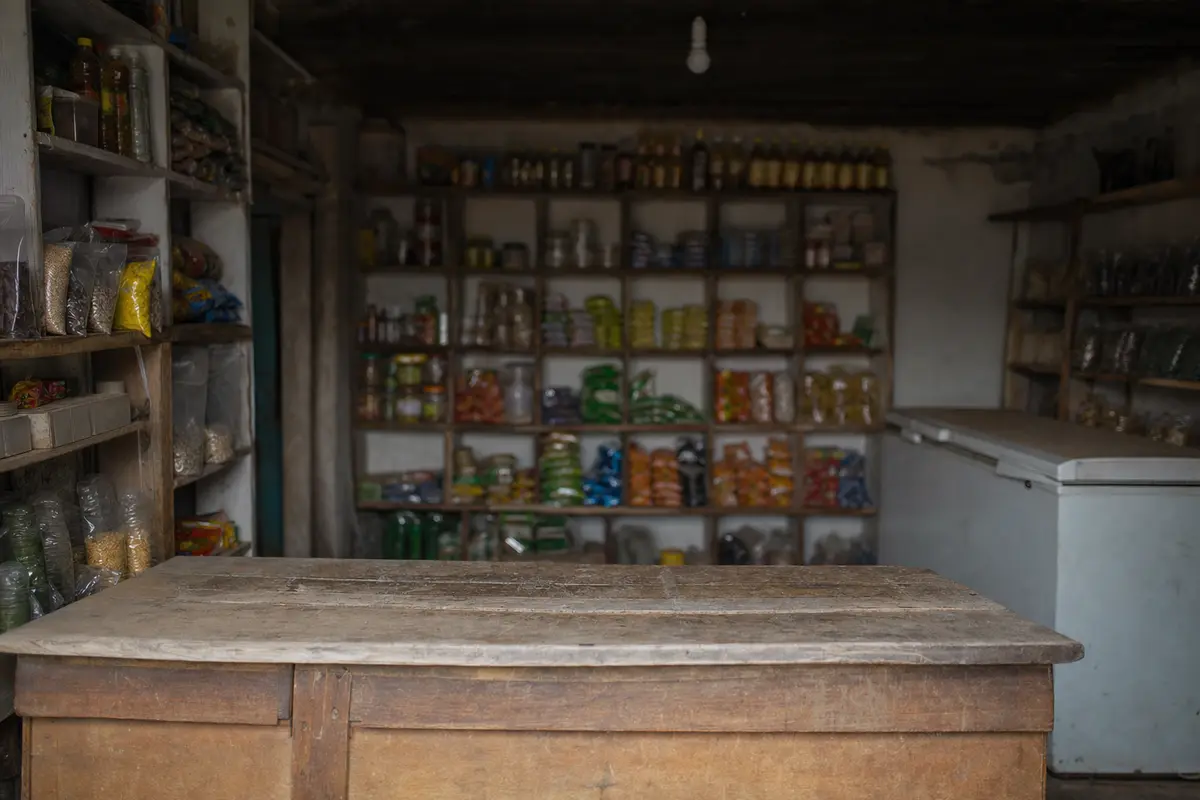
Moganshan is rural, and its guesthouses are scattered across a set of villages.
| Village | Where | What is there |
|---|---|---|
| Yucun | Foot of the mountain | Main hub. Market square and the scenic-area gateway |
| Xiantan | North | About 135 guesthouses in a village of under 2,000 people, about 90 percent locally run |
| Laoling | South | Reservoir, kayaking, cycling |
| Houwu | West | Quiet. About 30 minutes from Yucun |
| Dazaowu | The most remote | Rice paddies and the Dadouwu reservoir |
| Wukang | About 20 km off the mountain | County seat. Rail station and the everyday services |
There were about 1,000 guesthouses across the area as of September 2025, roughly 80 percent individually owned.
Ownership is the thing to hold on to. These are not chain properties with a head office standardizing the card terminal. Two guesthouses on the same lane can work nothing alike. Do not assume a terminal, and do not assume the one that exists takes your bank’s card. The villages sets out which is which, and where to stay sorts out the properties.
Deqing knows how to host people. Its guesthouse sector takes over 7 million guests a year on revenue above RMB 3 billion. None of that means the owner of a small house in Dazaowu has ever seen a card from your bank.
So: get both apps working before flying, and carry cash. Then ask the host how they want to be paid, in the same message that asks about the passport.
Payment rules, the hotel directive and the VAT refund thresholds stand as at 5 August 2026.
Last checked 8 August 2026 by Cyril Drouin. Prices, timetables and entry rules on this mountain move without notice, so confirm anything you are booking around.
Photographs on this site are representative illustrations, not documentary images of the specific building, property or service described.