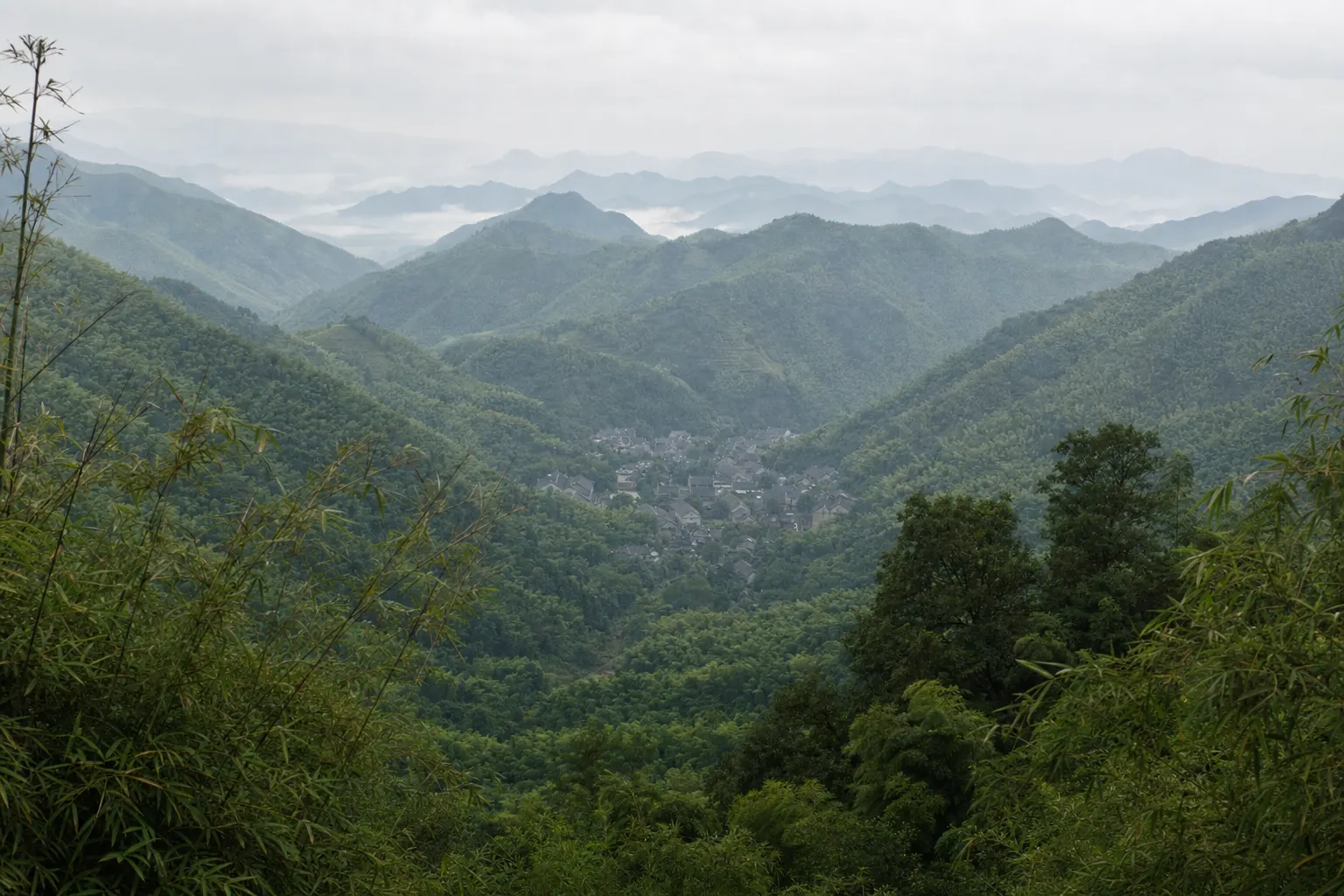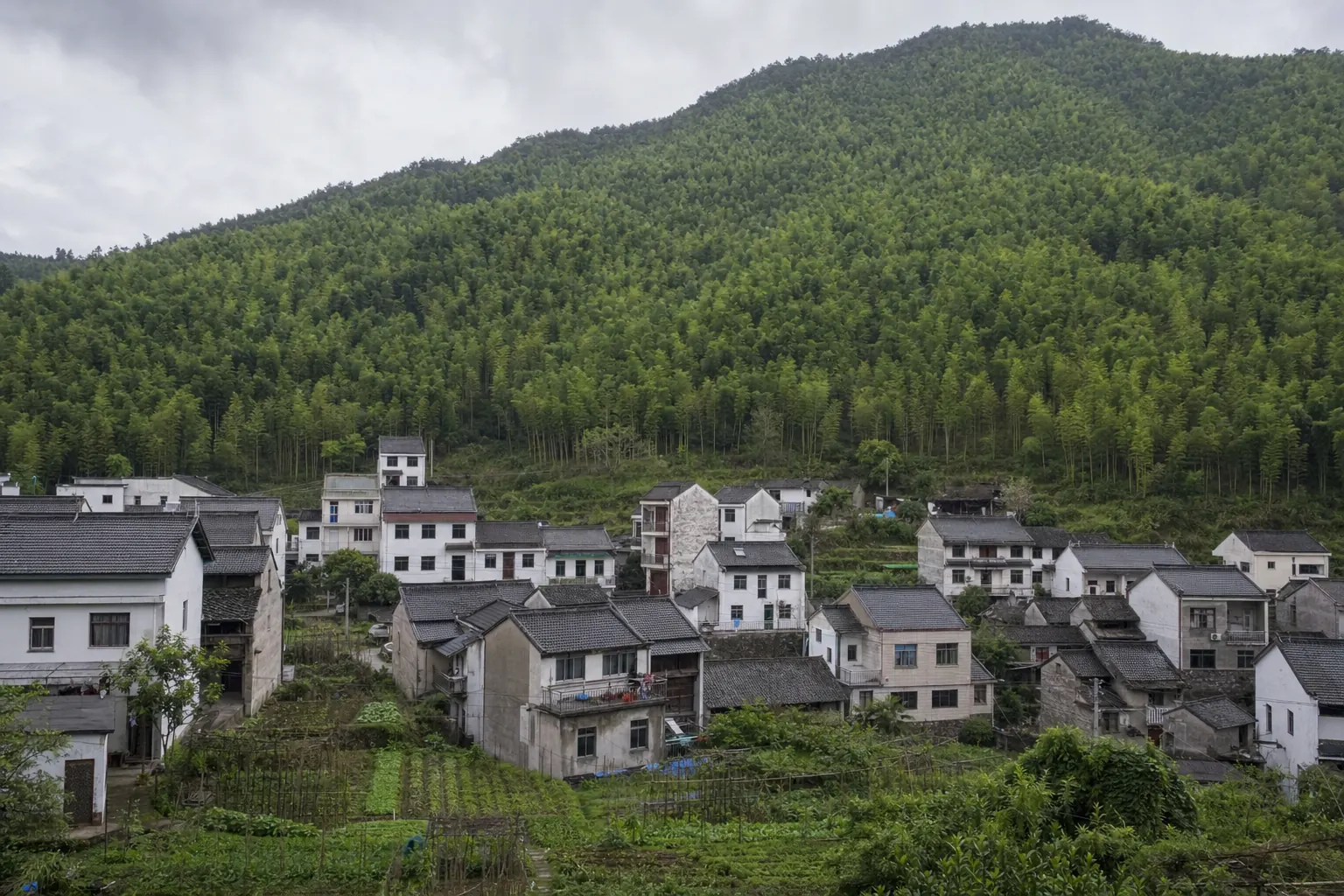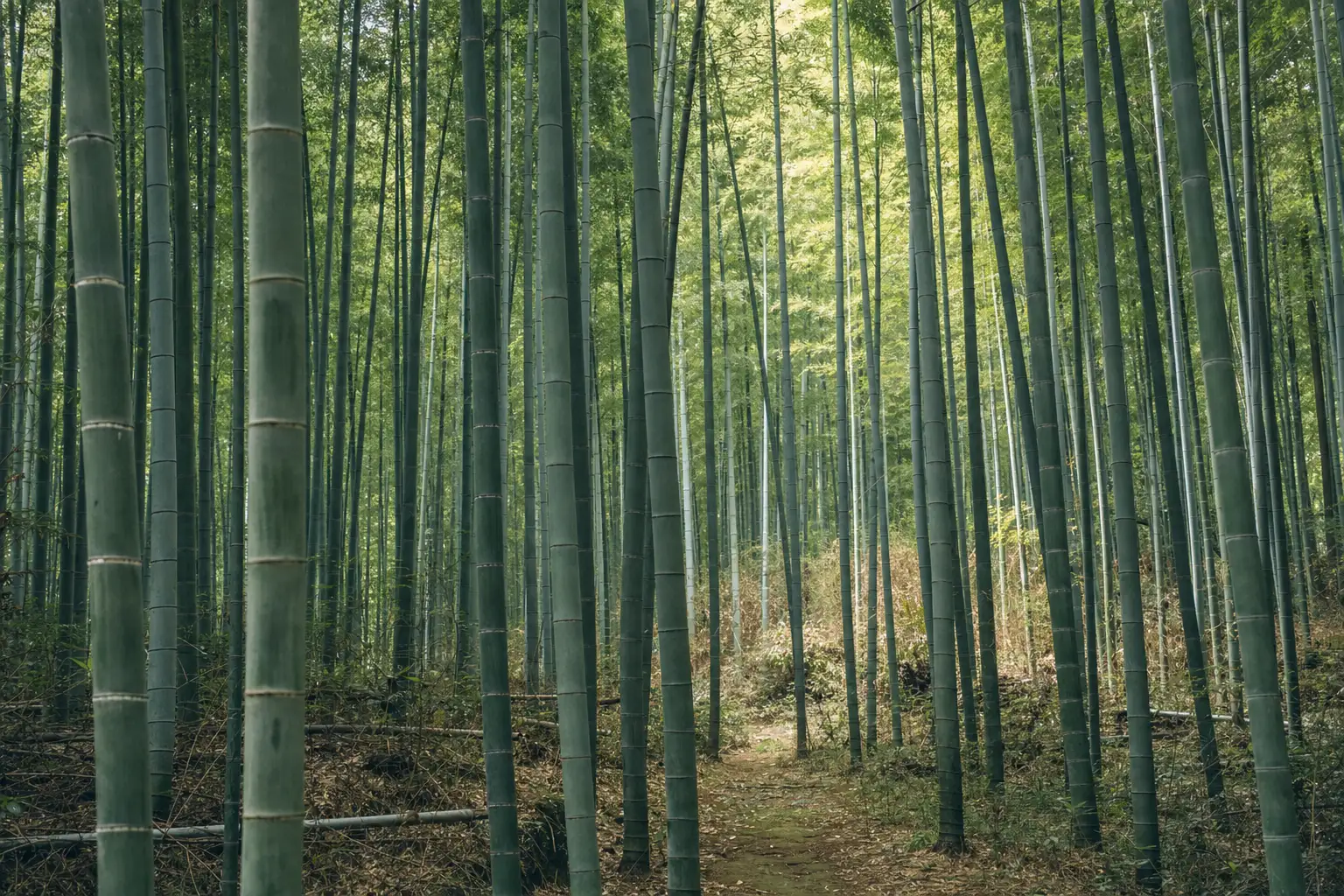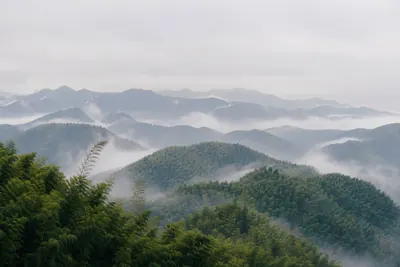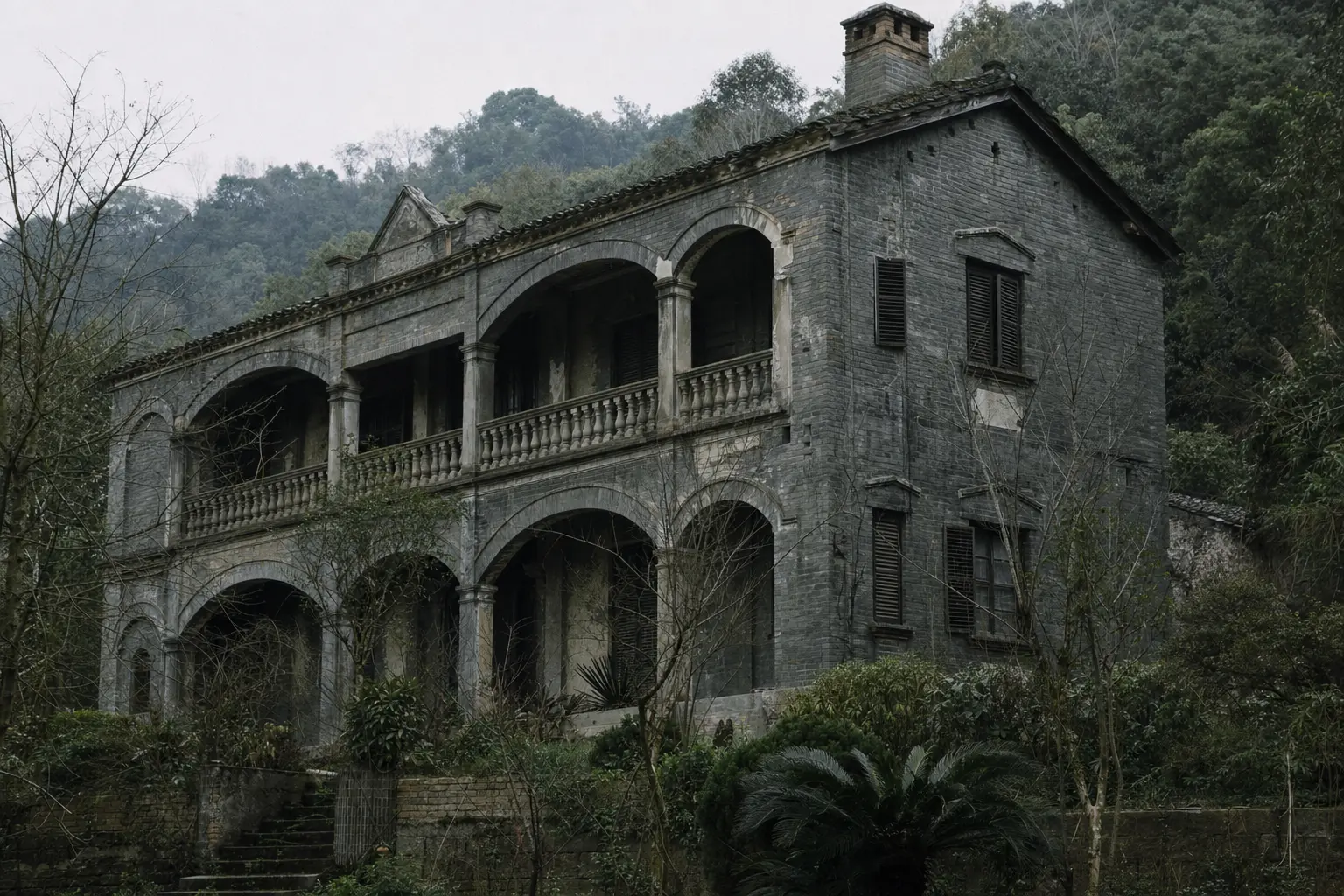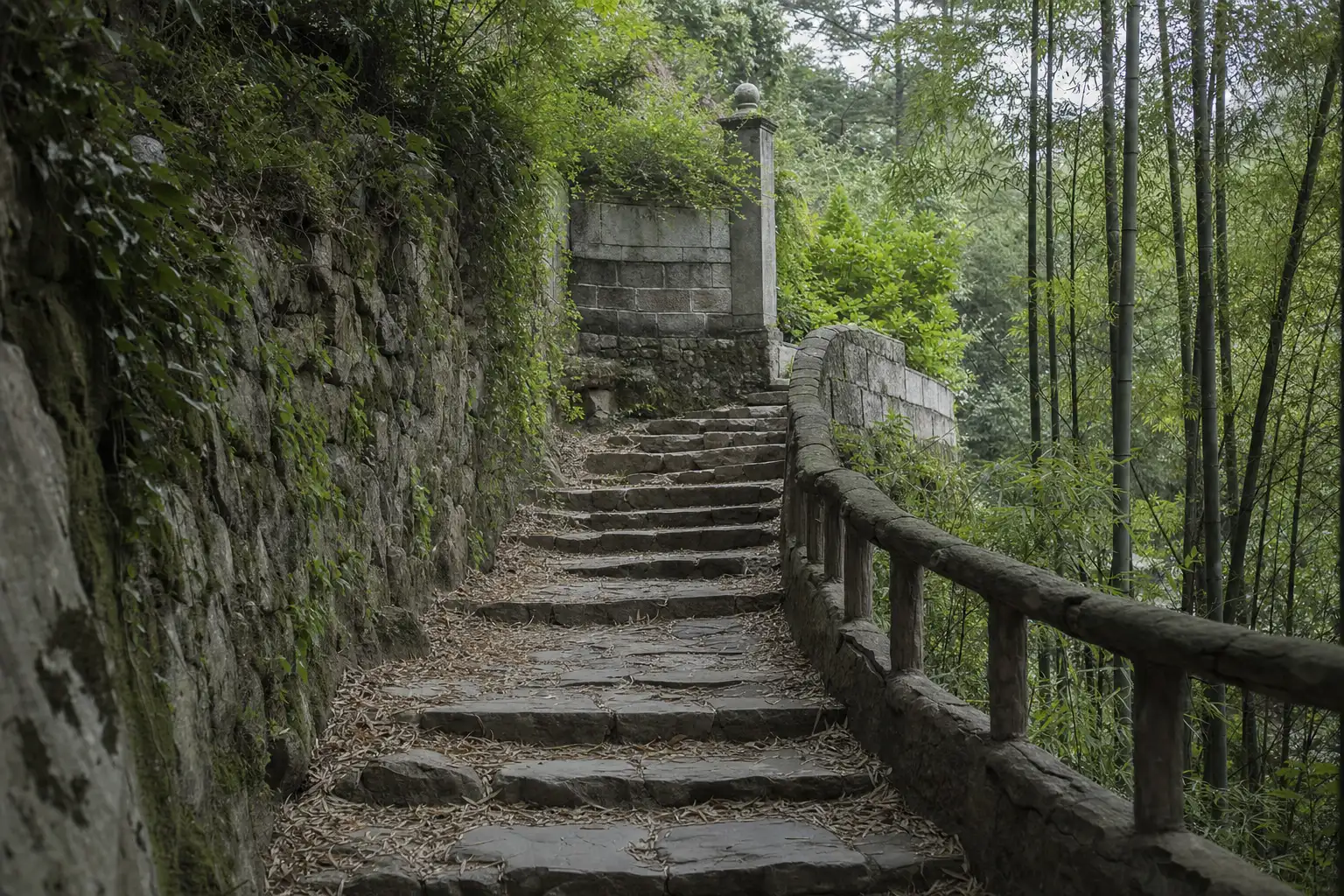
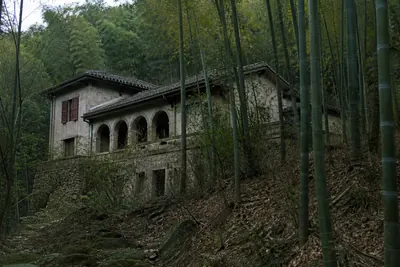
These houses stand on Moganshan, a mountain in Deqing County, part of Huzhou prefecture, Zhejiang Province. Hangzhou is about 60 km south of it and Shanghai 200 to 240 km away. If a search engine sent you to an art district, that was Moganshan Road in Shanghai, and it is not this.
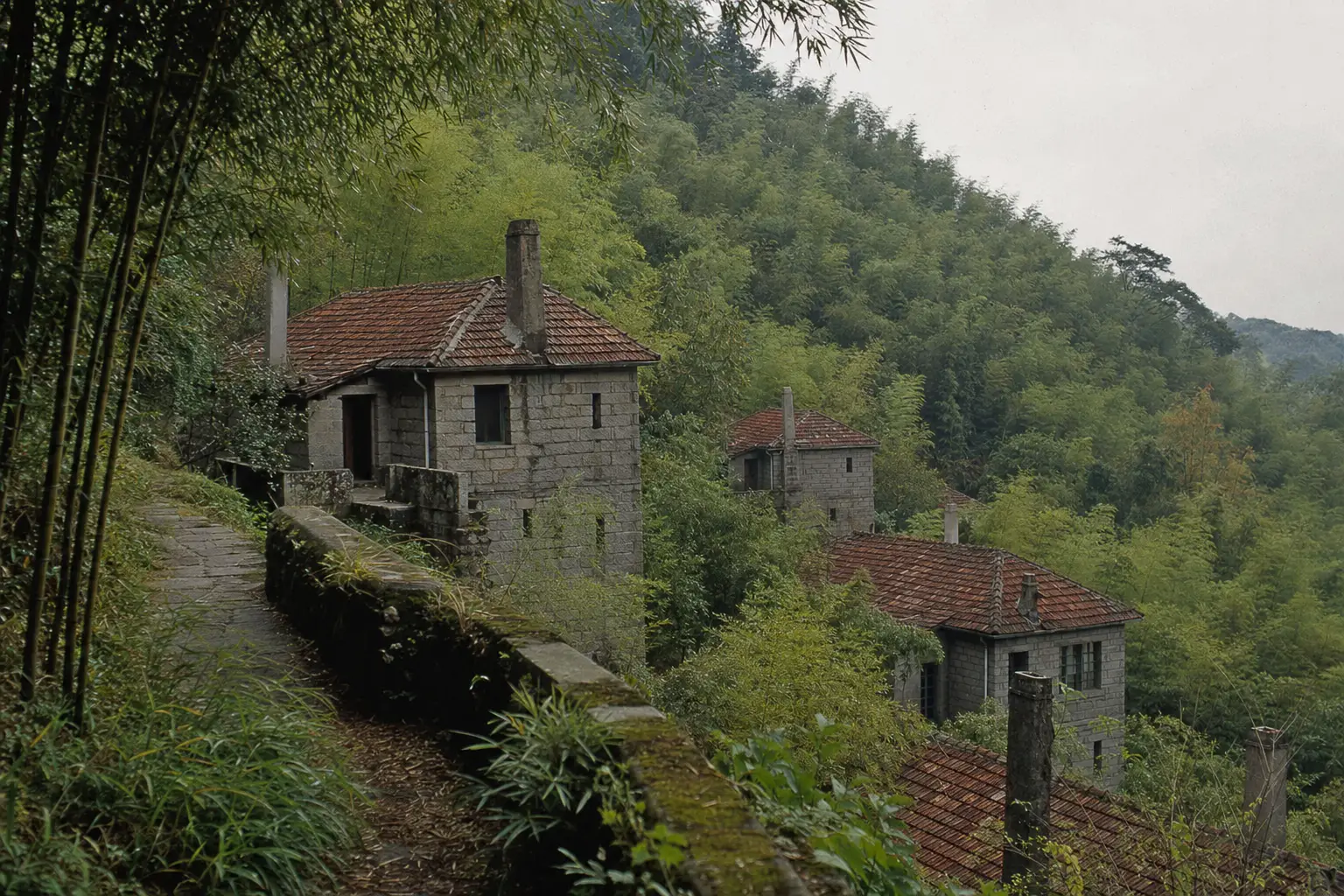
About 250 historic villas stand on these slopes. English-language guides call them the Moganshan colonial villas, and the label is loose. Foreigners built the first ones, but Chinese owners built roughly twice as many on Chinese-administered land, and their houses are the ones most visitors photograph. “Old stone houses” is closer to the truth. Most are private, which means you will be looking from the road.
Moganshan architecture: local stone, five clashing styles
Every source, Chinese and English, gives the same material: local mountain stone, across both waves and fifty years.
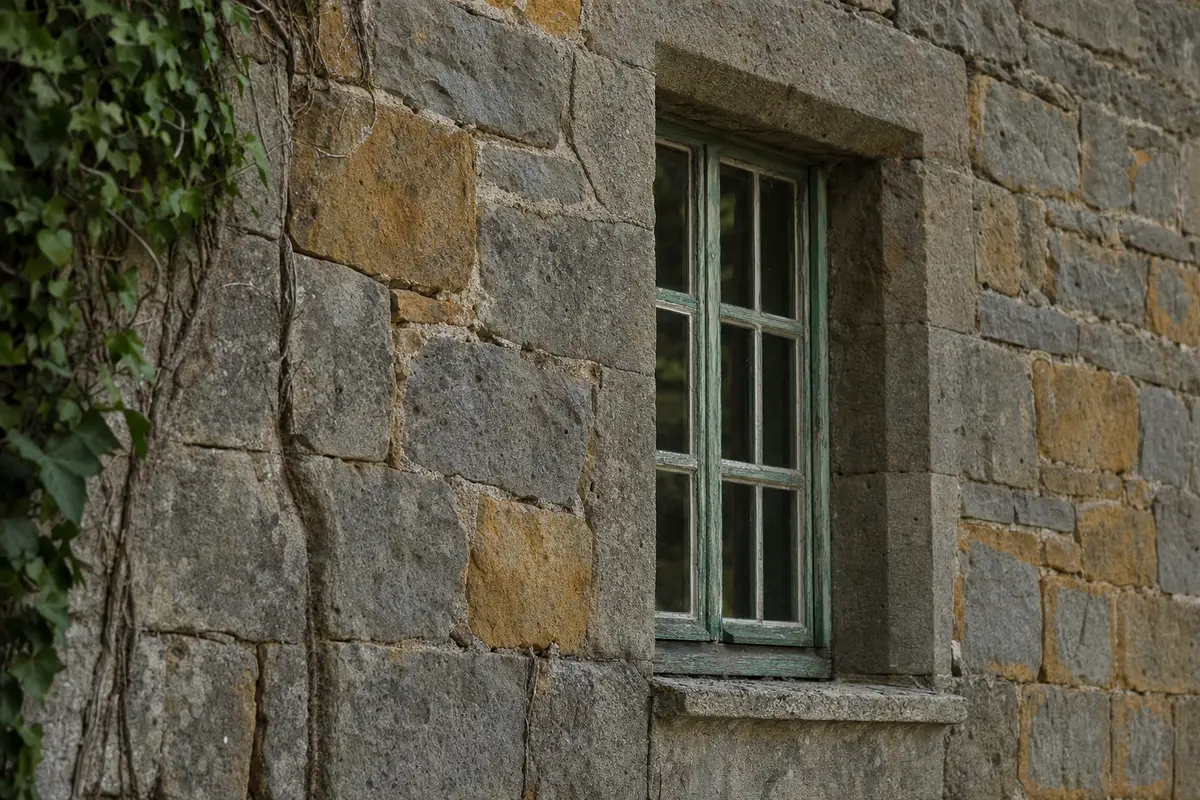
Chinese writing about the mountain calls the result an “architecture of all nations”. The styles named in the record are British, American, French, German and Chinese-eclectic.
The mountain was built in two waves, thirty years apart.
| First wave | Second wave | |
|---|---|---|
| When | 1896 to 1898 onward | Late 1920s to 1949 |
| Who was building | American and British missionaries, merchants, customs officials | Chinese bankers, Republican politicians, two Green Gang bosses |
| How many | 154 Western-style villas standing in the 1920s | More than 300 added between 1928 and 1949 |
| Who ran the mountain | Moganshan Summer Resort Association, from 1898 | Moganshan Management Bureau, from 1928 |
The first group built houses that looked like home. A Scottish doctor built himself a castle. The second group had no reason to copy an American porch, and plenty did not. The five styles do not divide neatly by period, and on the ground they stand mixed along the same lanes.
Counting the villas, decade by decade
| Period | Western-style villas | Foreign-owned | What was happening |
|---|---|---|---|
| 1896 to 1898 | the first ones go up | not counted | The summer colony starts |
| 1920s | 154 | 118 | High point of the foreign-built stock |
| 1929 | no total published | 78 | Foreign ownership drops by 40 houses |
| 1928 to 1949 | 300+ added by Chinese owners | not tracked | The Chinese building boom |
| Today | about 250 survive, both waves | not published | Some sources say 200 or more |
Villa counts by period and by ownership, BeyondBorder Group Ltd primary research, 1 to 5 August 2026.
The 1929 line is the one that repays attention. Foreign ownership fell from 118 to 78 in under a decade while the houses stayed standing. They were being sold, not demolished. Chinese buyers took the mountain over well before any formal handover.
Construction ran harder after the 1928 handover than it ever had under the foreigners: more than 300 new villas in the 21 years to 1949, against a foreign stock that peaked at 154.
Call the 250 an estimate rather than a count. Nobody we can find has published the method behind it.
The people who owned them
The names behind those numbers explain more than the totals do.
By 1910 about 300 foreigners held summer homes here, mostly American and British: missionaries, businessmen, customs officials and their families. Churches and public halls went up. The first tennis court dates to 1901, and public pools spread through the 1930s.
Hayley Keon, “A Peaceful Place: Raising Imperial Children at China’s Moganshan Hill Station,” Journal of Imperial and Commonwealth History, published online 9 January 2026.
Keon’s argument is that these were not holiday cottages. They housed a foreign community raising foreign children away from Chinese cities, which is why the mountain got a tennis championship and not just bedrooms.
The Chinese owners who followed were a different crowd. Their houses carry the political history that most Chinese visitors come for.
Six named houses, and what each one is now
The record names six buildings individually, oldest first, which puts the only foreign-built one at the top.
| # | Villa | Date | Who built or used it | Status today |
|---|---|---|---|---|
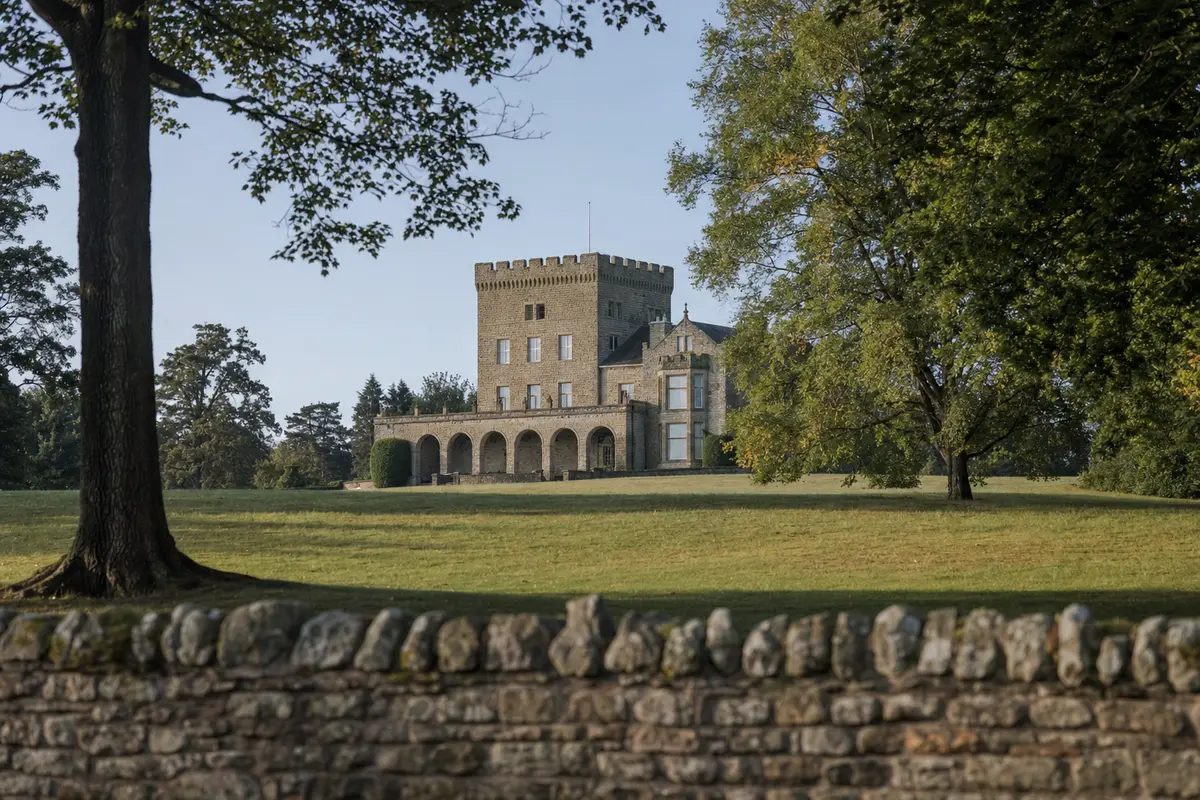
| 1 | Maitland’s castle villa | 1910 | A Scottish physician and missionary named Maitland, in English castle style | Restored, and now naked Castle, a hotel of about 95 keys that opened in 2017. Bookable |
| 2 | Songyue Lodge, Wuling village | standing by December 1927 | Chiang Kai-shek honeymooned here with Soong Mei-ling; back in 1948 as President for currency-reform meetings | A visitor sight, listed locally as Chiang Kai-shek’s villa |
| 3 | The former Empress Hotel | 1934 | Built by the banker Jiang Yizhe. Mao Zedong stayed in 1954 | No longer runs under that name |
| 4 | The Du Yuesheng and Zhang Xiaolin villa | 1935 | Two bosses of the Green Gang, in an ornate Chinese style | Seen from the lane |
| 5 | Baiyun Shanguan | date not in the record | Owned by Huang Fu, a Republican diplomat and former acting premier. Zhou Enlai and Chiang held secret talks here in 1937 | Seen from the lane |
| 6 | The assembly hall | date not in the record | Venue of the 1984 Moganshan Conference of reform economists | Seen from the lane |
None of the six keeps published opening hours, and most are private. The walk is a looking exercise.
Two more named sights are buildings: the Bai and Yun Art Museum and the state-owned Moganshan Hotel.
One caution about the Mao villa
| What you will hear on the mountain | What the record supports |
|---|---|
| Mao Zedong confirmed the first constitution of the People’s Republic in this villa | He stayed in the 1934 Jiang Yizhe villa in 1954, the year that constitution was adopted. The drafting itself is documented as having taken place in Hangzhou |
So we print the plain version and stop there: he stayed in the building in 1954. If a guide tells you the constitution was written in that room, treat it as mountain storytelling.
What happened to them after 1949
The foreign residents left in 1949. Their villas were redistributed to work units or requisitioned outright.
For the next fifty years the buildings had jobs. Some became state guesthouses. Some went to danwei (work units, the state employers that ran staff housing and holidays). Some were left to the weather.
That last group is why condition varies so much today. Forty years as a working guesthouse kept a building in repair. The ones nobody used rotted.
What you find now is a mix.
| What it is | How common | Can you get in? |
|---|---|---|
| Private homes and private leases | The biggest group by far | No. You look from the road, and that is it |
| Working hotels | Several, naked Castle among them | Yes, by booking |
| Closed, fenced or under restoration | Some | No |
| Restored show pieces | A minority | These are where tour groups go, and where the photos come from |
Restored and failing buildings sit on the same stretch of road, so do not expect a tidy heritage district.
The “Moganshan Villas” listing is not a place
The last trap is a search problem rather than a building.
Tripadvisor carries “Moganshan Villas” as a single attraction. There is no single building by that name.
“Moganshan Villas” attraction listing, Tripadvisor, checked 5 August 2026.
The name covers the whole scattered stock of old houses, not one site you can walk into. Keep that in mind under the reviews, because different reviewers may be describing different buildings.
That is the third naming trap this destination sets for English speakers.
| The name | What it actually is |
|---|---|
| Moganshan Road | The M50 art district in Putuo District, Shanghai |
| Moganshan railway station | A station that does not serve the mountain. Use Deqing station |
| “Moganshan Villas” | Not a villa. A listing covering the whole scattered stock |
How to see the old villas
No private vehicle goes past the boundary of the scenic area, which is the ticketed core of the mountain. You transfer at Yucun, Fatou or Houwu, and those centers work from 08:00 to 18:00.
Ticket prices do not agree between sources, so here is the conflict.
| Source | Price given |
|---|---|
| One published source | RMB 120 online, RMB 130 at the gate |
| Another published source | RMB 50 off-season, RMB 80 at peak |
| Winter | Half price, which only the higher set spells out. The lower set’s RMB 50 is its off-season figure |
Check the figure when you book. That includes checking it against this page.
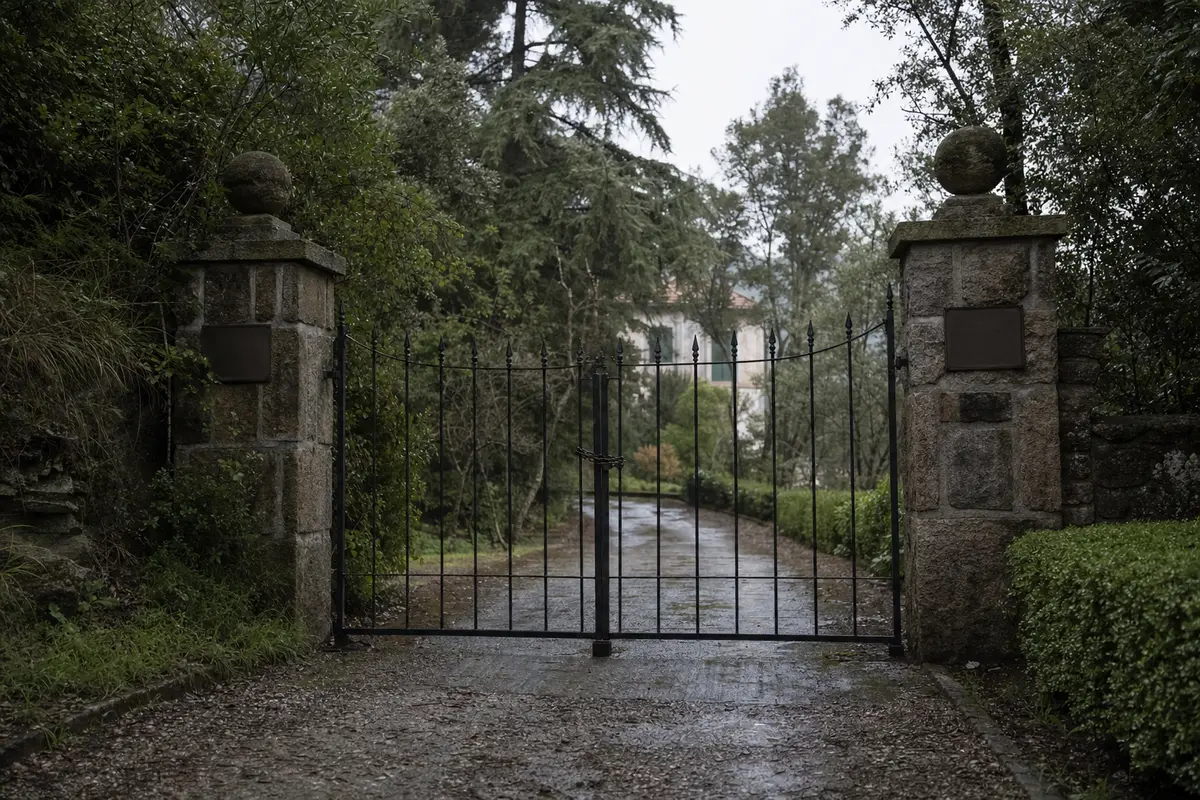
Then the etiquette, which matters more here than at most heritage sites, because most of these buildings are someone’s home. Stay on public roads. Do not open gates. Do not walk into gardens or photograph in through someone’s window. Where a villa is a hotel, the way in is a booking, and where to stay treats those like everything else here.
The Moganshan walking tour puts these buildings into a workable order on foot. The hill station explains how the colony ran. The longer history has the dates and the disputes. The Moganshan overview covers the mountain itself.
Counts, ownership figures and dates checked 5 August 2026, with ranges shown where sources disagree. Ticket prices, transfer hours and current building use all change.
Last checked 8 August 2026 by Cyril Drouin. Prices, timetables and entry rules on this mountain move without notice, so confirm anything you are booking around.
Photographs on this site are representative illustrations, not documentary images of the specific building, property or service described.